Why Telling Kids to Calm Down Doesn't Work (And What Does)
One thing I've noticed about calming-down advice is that it often assumes kids can access skills they haven't actually learned yet.
A child is crying.
Yelling.
Overwhelmed.
Completely flooded with emotion.
And we say:
"Take a deep breath."
"Calm down."
"Use your words."
But emotional regulation works a lot like any other skill.
We wouldn't expect a child to learn multiplication during a math test.
And we probably shouldn't expect them to learn self-regulation in the middle of a meltdown.
That realization changed how I think about helping kids calm down.
Because now I spend less time asking:
"How do I get my child to calm down right now?"
And more time asking:
"How do I help my child build a calming toolkit before they need it?"
That feels like a much more useful goal.
What Experts Say About Emotional Regulation
One thing child development experts consistently emphasize is that emotional regulation is a learned skill.
Children are not born knowing how to calm themselves.
They learn through:
repetition
modeling
co-regulation
practice
predictable routines
In other words:
Kids borrow our calm before they create their own.
Over time, those experiences become internalized.
The goal isn't eliminating big emotions.
The goal is helping children develop tools for moving through them.
And that's where I think a systems approach can help.
The Four Layers of a Calm-Down Toolkit
Most parents focus on calming strategies.
Breathing.
Counting.
Mindfulness.
Those can absolutely help.
But they're only one piece of the puzzle.
I've started thinking about emotional regulation as four different layers.
And the earlier layers often matter more than the later ones.
Layer 1: Body Regulation
Sometimes what looks like an emotional problem is actually a physical problem.
Kids are:
hungry
tired
dehydrated
overstimulated
uncomfortable
And once the nervous system is overloaded, emotions become much harder to manage.
This is why some meltdowns seem to come out of nowhere.
They don't.
The warning signs were often physical first.
One thing I've learned is to ask:
Before we solve the behavior...
Do we need to support the body?
Questions I ask myself:
Have they eaten recently?
Have they had enough sleep?
Have they been moving their body?
Have they had downtime?
Have they had enough water?
Many emotional storms start here.
Layer 2: Sensory Regulation
This is where many calming tools live.
Experts often recommend helping children learn what types of sensory input help their nervous system settle.
The interesting thing is that different children regulate differently.
Some kids need more movement.
Others need less.
Some calm through activity.
Others calm through stillness.
Things that often help:
swinging
rocking
stretching
listening to music
sensory bins
weighted items
quiet spaces
This is one reason I love activities that teach regulation indirectly.
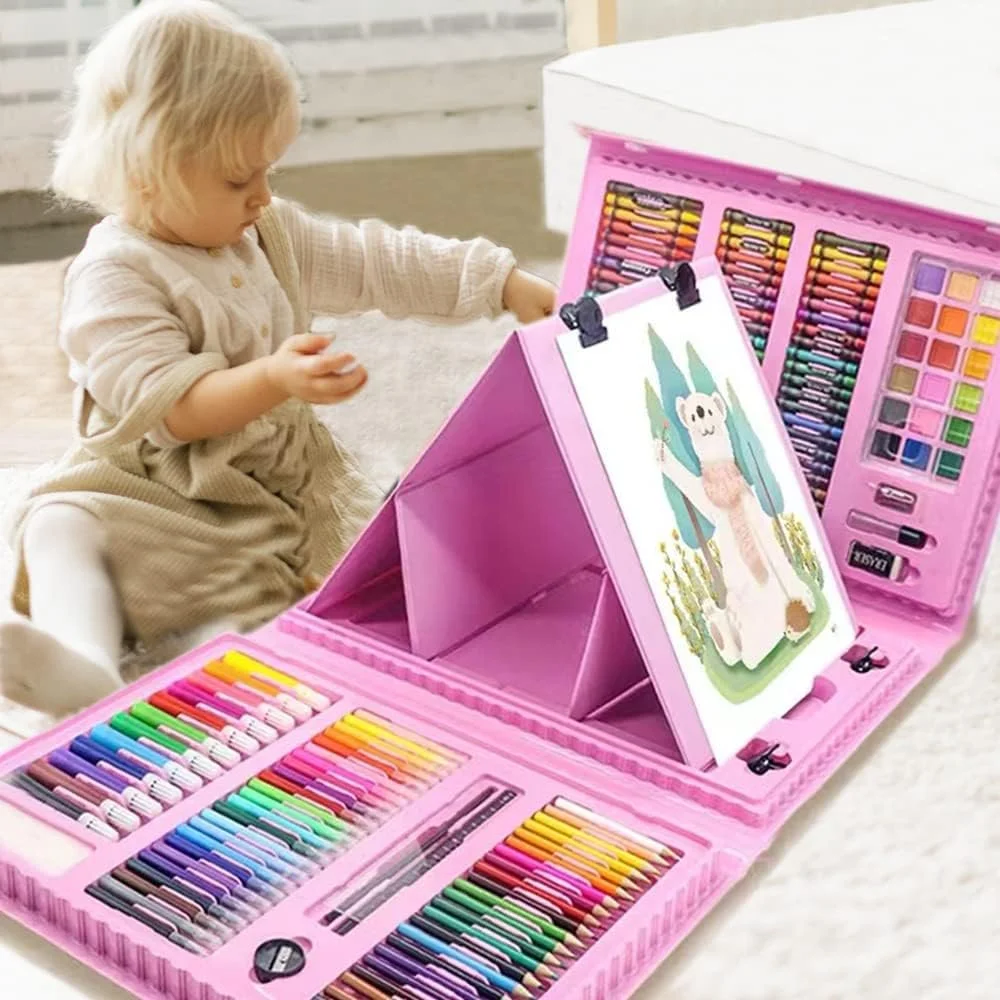
For example, coloring can be surprisingly powerful because it naturally encourages slowing down.
You're not demanding calm.
You're creating conditions where calm becomes more likely.
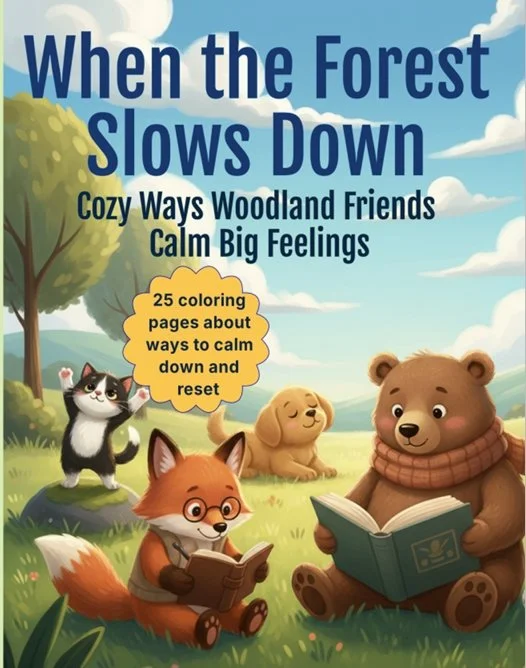
That's also part of the idea behind my When the Forest book about calming down.
The goal isn't simply coloring pages.
The goal is helping children repeatedly encounter calming strategies through stories and characters while they're already engaged in an activity they enjoy.
Sometimes showing works better than telling.
Layer 3: Emotional Regulation
This is the layer most people think of first.
But it's actually easier once the first two layers are supported.
Emotional regulation starts with helping children identify what's happening.
Because it's difficult to manage feelings that don't have names.
Instead of:
❌ "Calm down."
Try:
✅ "That was frustrating."
✅ "You seem disappointed."
✅ "That felt unfair."
✅ "You're really upset right now."
✅ "I can see this is hard."
Notice what we're doing.
We're not fixing the feeling.
We're helping the child understand it.
And interestingly, many experts note that naming emotions can actually reduce their intensity.
Sometimes feeling understood is the first step toward feeling regulated.
Layer 4: Recovery Skills
This may be the most overlooked layer of all.
Many parents think emotional regulation means:
Never getting upset.
But that's not realistic.
Kids will get upset.
Adults get upset.
Everyone gets overwhelmed sometimes.
The real skill is recovery.
How quickly can we move from:
dysregulated
to
regulated?
That's the skill that matters.
Instead of expecting instant calm, I try to focus on helping kids build recovery habits.
Questions like:
What helps your body feel better?
What helped this time?
What should we try next time?
What usually helps when you're upset?
Those conversations gradually help children build awareness of their own regulation patterns.
And self-awareness is incredibly powerful.
Why Calm Kids Aren't Necessarily Emotionally Healthy Kids
This was another mindset shift for me.
A child who never expresses big feelings isn't automatically emotionally regulated.
Sometimes they're just suppressing them.
The goal isn't fewer emotions.
The goal isn't perfect behavior.
The goal is helping children develop the ability to experience emotions without being completely controlled by them.
Big feelings aren't the enemy.
They're part of being human.
The skill is learning how to move through them.
Build a Calm-Down Environment
One thing I think parents underestimate is how much environment influences behavior.
We often focus on teaching skills.
But access matters too.
If calming tools are hard to access, they rarely get used.
I think about regulation the same way I think about reading, outdoor play, and family routines:
Reduce friction.
Make the desired behavior easier.
That might mean creating a calm-down basket filled with:
coloring books
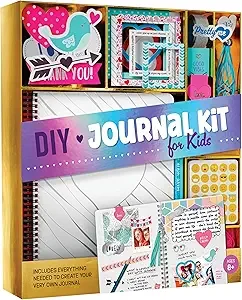
journals
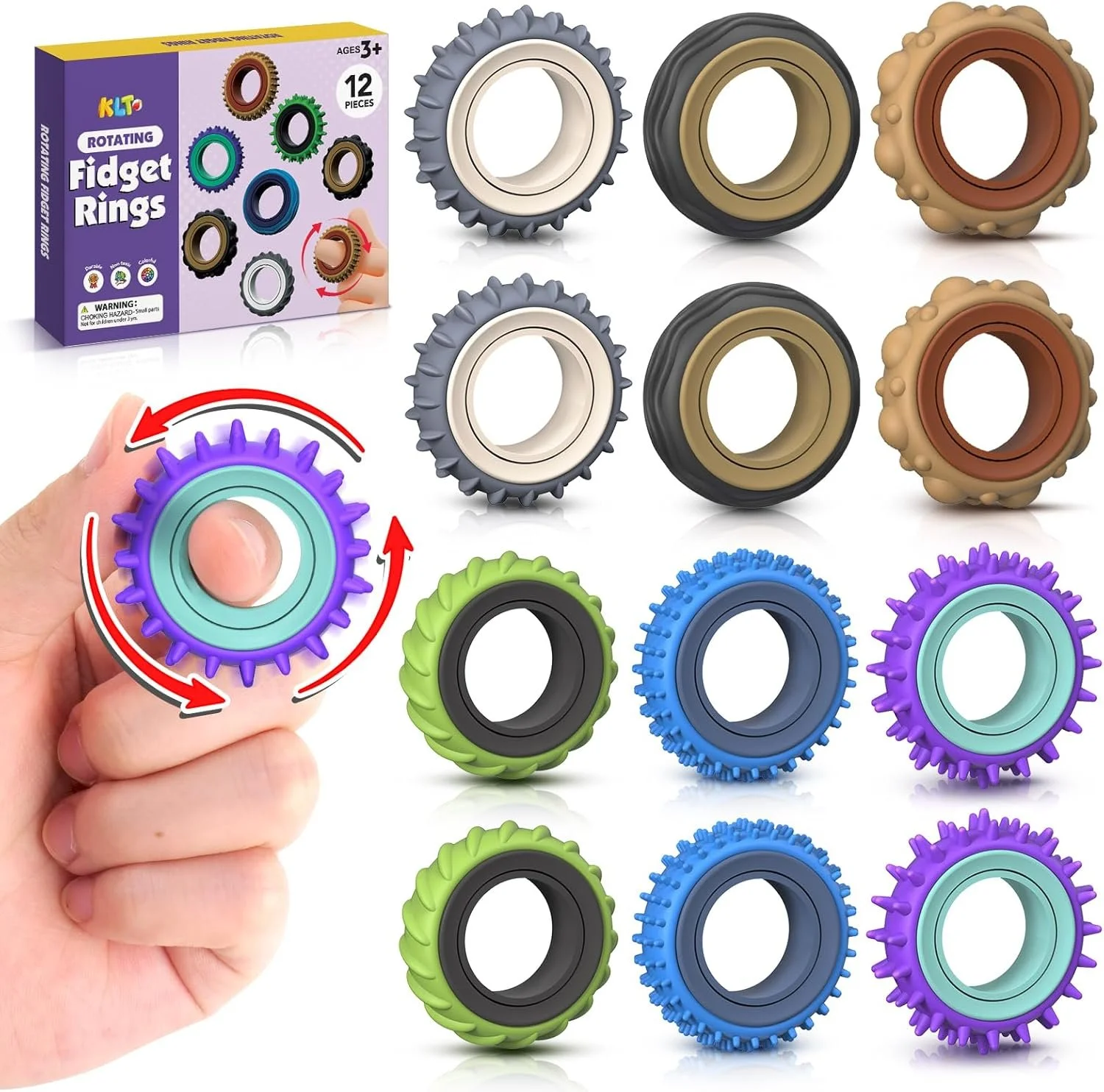
fidget tools
sensory toys
books about emotions
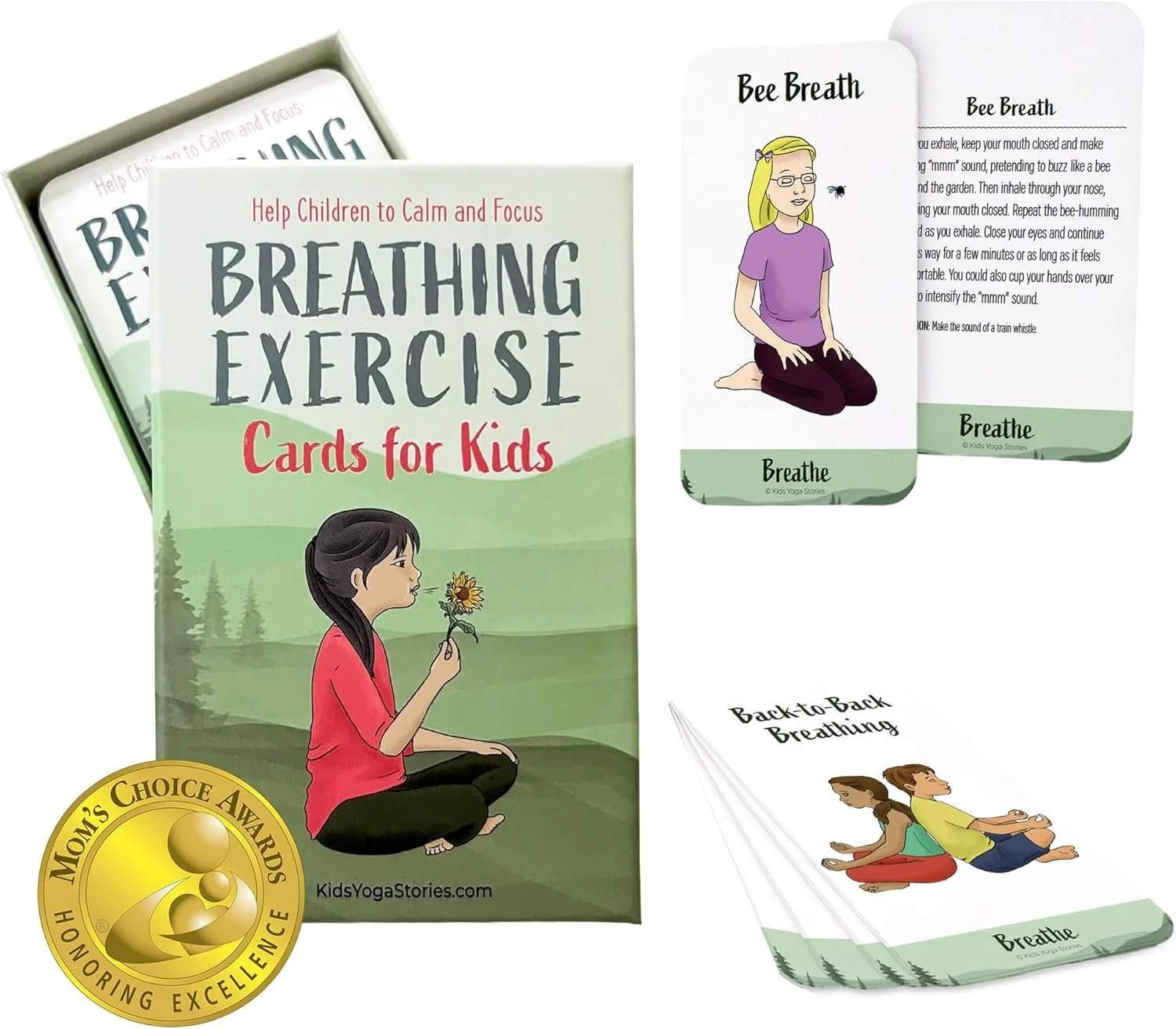
breathing cards
sketch pads
comfort items
The goal isn't forcing calm.
The goal is making calming options easy to reach when they're needed.
The Real Shift
The biggest shift for me was realizing that emotional regulation isn't something we teach once.
It's something children practice hundreds of times.
Through stories.
Through routines.
Through conversations.
Through coloring.
Through mistakes.
Through recovery.
Little by little, they build a toolkit.
And eventually, when big feelings arrive, they have more than one option available to them.
Not because we told them to calm down.
Because we helped them learn how.
Shop Ideas From This Retro










Note: I may receive a small commission from the affiliate links above.