Reading Is an Environment Problem, Not a Motivation Problem
How I use systems thinking, novelty, and emotional design to raise kids who actually want to read
Most reading advice focuses on:
tracking,
reminding,
correcting,
or enforcing.
But honestly?
I think a lot of reading struggles are actually environment problems.
Because behavior changes faster through:
friction,
atmosphere,
ritual,
and emotional association
than through repeated reminders.
Kids don’t just learn reading academically.
They develop a relationship with reading emotionally.
And that relationship matters a lot.
Reading Competes Against Highly Optimized Systems
One thing I think parents underestimate:
reading is competing against experiences specifically engineered to feel stimulating.
Screens offer:
novelty,
dopamine,
movement,
personalization,
interactivity,
instant gratification,
and almost zero activation energy.
Meanwhile reading often gets positioned as:
“the responsible option.”
Fluorescent lighting.
Hard chairs.
Distractions everywhere.
No sensory engagement.
No atmosphere.
No novelty.
Then we wonder why kids resist it.
So instead of trying to force motivation harder,
I think about reading the same way I think about most parenting systems:
How do I design conditions that increase the probability of engagement naturally?
That’s a very different question.
Most Parents Focus on Motivation When They Should Focus on Friction
This changed how I think about reading entirely.
Because a lot of reading resistance is not:
“kids hate books.”
It’s:
reading has higher activation energy than competing alternatives.
So instead of focusing only on:
encouragement,
reading logs,
or reminders,
I focus on lowering friction.
Things like:
books visible instead of hidden away,
comfortable places already set up,
reading lights already charged,
audiobooks easy to access,
blankets nearby,
special reading spaces,
and low-pressure reading routines.
The easier reading is to start,
the more often it happens.
Systems matter.
Emotional Association Shapes Reading Identity
This part feels especially important.
Lifelong readers often weren’t forced into books through constant pressure.
They repeatedly experienced books alongside:
comfort,
coziness,
novelty,
connection,
autonomy,
imagination,
and emotional safety.
Reading became associated with:
feeling good.
That emotional layer matters more than people realize.
Because eventually kids stop thinking:
“I’m doing reading.”
And start thinking:
“I’m a reader.”
Identity changes behavior far more sustainably than enforcement does.
Rituals Matter More Than Occasional Big Efforts
Another thing I’ve noticed:
small recurring reading rituals are often more powerful than occasional grand efforts.
Because repetition creates:
predictability,
comfort,
anticipation,
and emotional attachment.
Things like:
flashlight reading,
Saturday porch reading,
rainy day reading baskets,
bedtime poetry,
hammock reading,
or audiobook snack time
all quietly reinforce:
“Reading is part of how we experience comfort and enjoyment.”
That’s culture-building.
Not compliance.
Reading Campouts Activate Almost Every Reading System at Once
This is why reading campouts work so well.
Not because tents are magical.
Because they combine:
novelty,
sensory engagement,
ritual,
autonomy,
comfort,
and environmental immersion
all at the same time.
A tent changes reading from:
“required task”
into:
“experience.”
That distinction matters enormously.
Especially for elementary-age kids.
The same child who resists reading on the couch
may happily read for an hour:
inside a tent,
with lanterns,
blankets,
snacks,
and flashlights.
That’s not manipulation.
That’s behavioral design.
Novelty Changes Engagement
Research consistently shows novel environments increase attention and memory encoding.
Even small environmental shifts can make familiar activities feel dramatically more engaging.
Which honestly makes perfect sense.
Adults do this too.
Coffee shops.
Vacation reading.
Cozy corners.
Beach books.
Reading hammocks.
Environment shapes behavior for grownups constantly.
Kids are no different.
Outdoor Reading Adds Another Layer
One thing I love specifically about backyard reading campouts is that outdoor environments seem to regulate kids differently too.
Research on outdoor learning environments has linked outdoor exposure with improvements in:
attention,
engagement,
wellbeing,
and emotional regulation.
And family reading rituals have separately been associated with:
language development,
creativity,
empathy,
and emotional connection.
Reading campouts quietly combine both systems:
outdoor regulation
+
low-pressure literacy exposure.
Which honestly feels like a parenting cheat code.
Participation Beats Enforcement
Another important principle underneath all of this:
kids engage more deeply when experiences feel self-directed.
The more ownership they have,
the more invested they become.
So for reading campouts, I try to let kids:
pick books,
arrange blankets,
choose lanterns,
organize snacks,
set up flashlights,
or help build the space.
That autonomy changes the energy completely.
Now reading feels:
immersive,
cozy,
special,
and theirs.
Not assigned.
The Goal Is Emotional Richness, Not Restriction
A lot of screen-time advice focuses heavily on:
limiting screens.
But honestly?
Replacement quality matters more.
Kids are far more willing to disengage from screens when the alternative offers:
sensory novelty,
comfort,
connection,
autonomy,
imagination,
and emotional richness.
Reading campouts hit all six surprisingly well.
What Actually Makes Reading Campouts Work
The goal is not:
Pinterest-perfect camping.
The goal is:
low-friction atmosphere design.
A few things that made a huge difference for us:
Pop-up tent
Fast setup matters.
The lower the activation energy,
the more likely traditions actually happen.
Cushions + blankets
Comfort directly affects attention span.
Especially for reluctant readers.
Reading lanterns or flashlights
This instantly makes reading feel:
special,
cozy,
and independent.
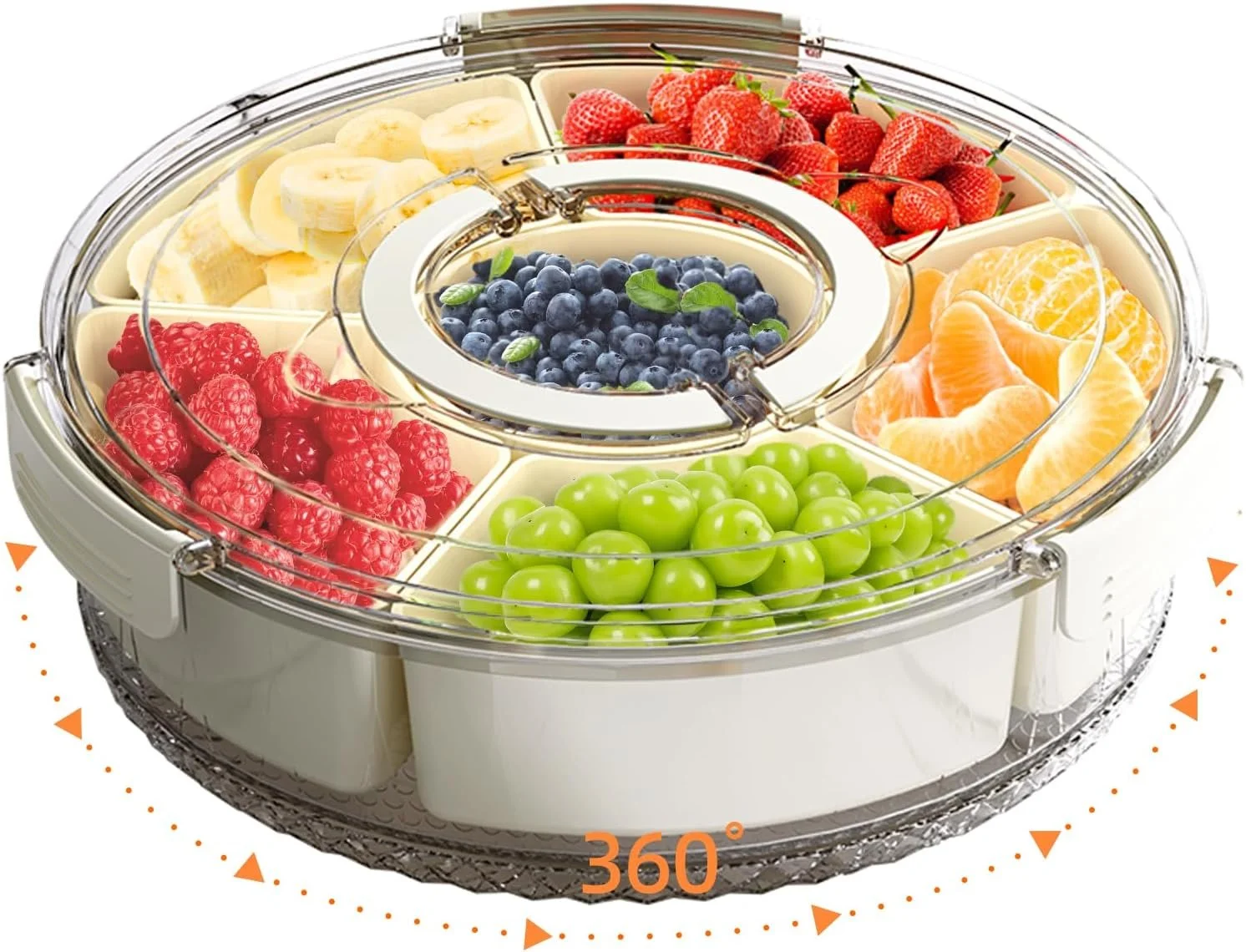
Snack tray
Reducing interruptions extends engagement time dramatically.
Audiobook speaker
Sometimes literacy looks like:
listening while following along.
Still valuable.
Still language exposure.
Still story immersion.
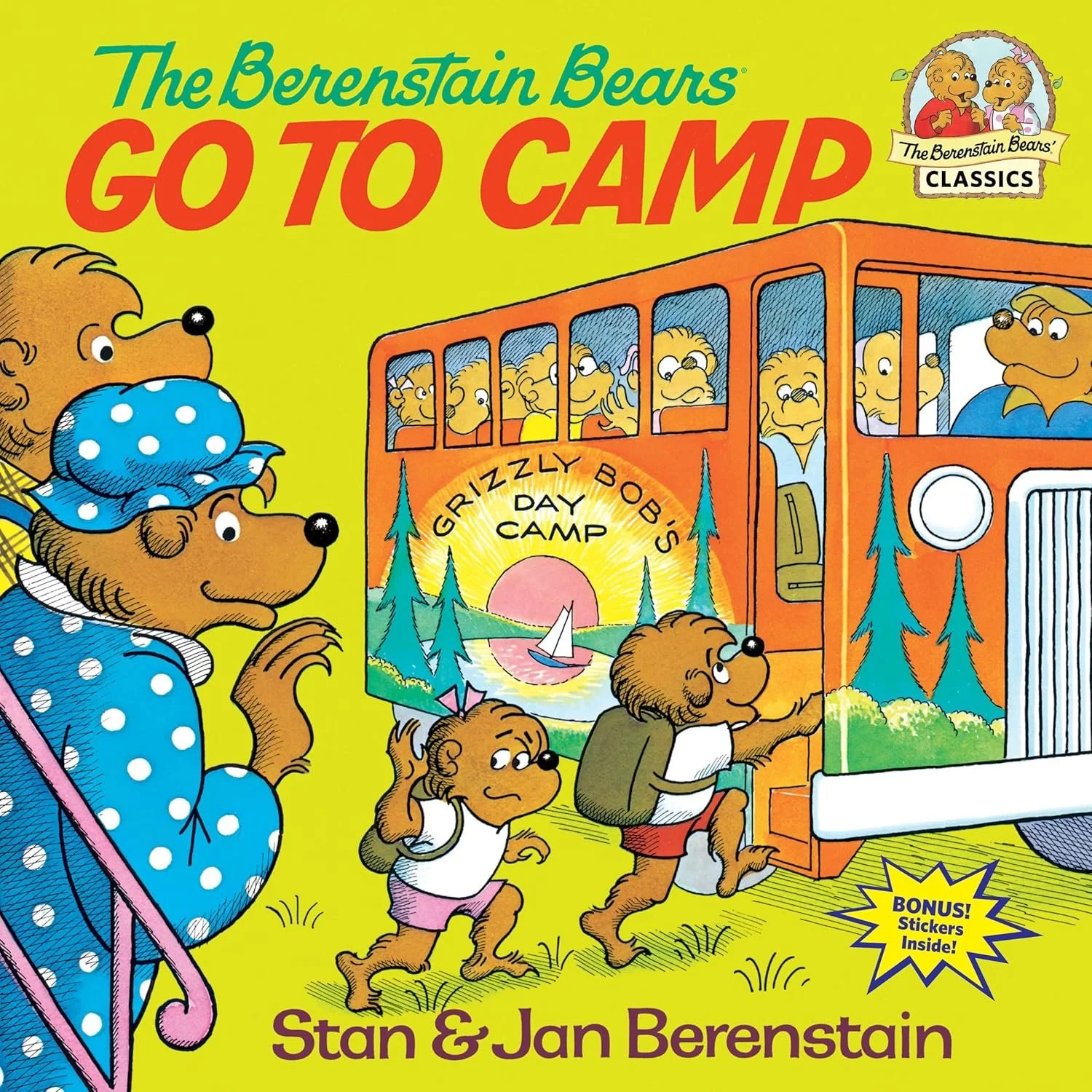
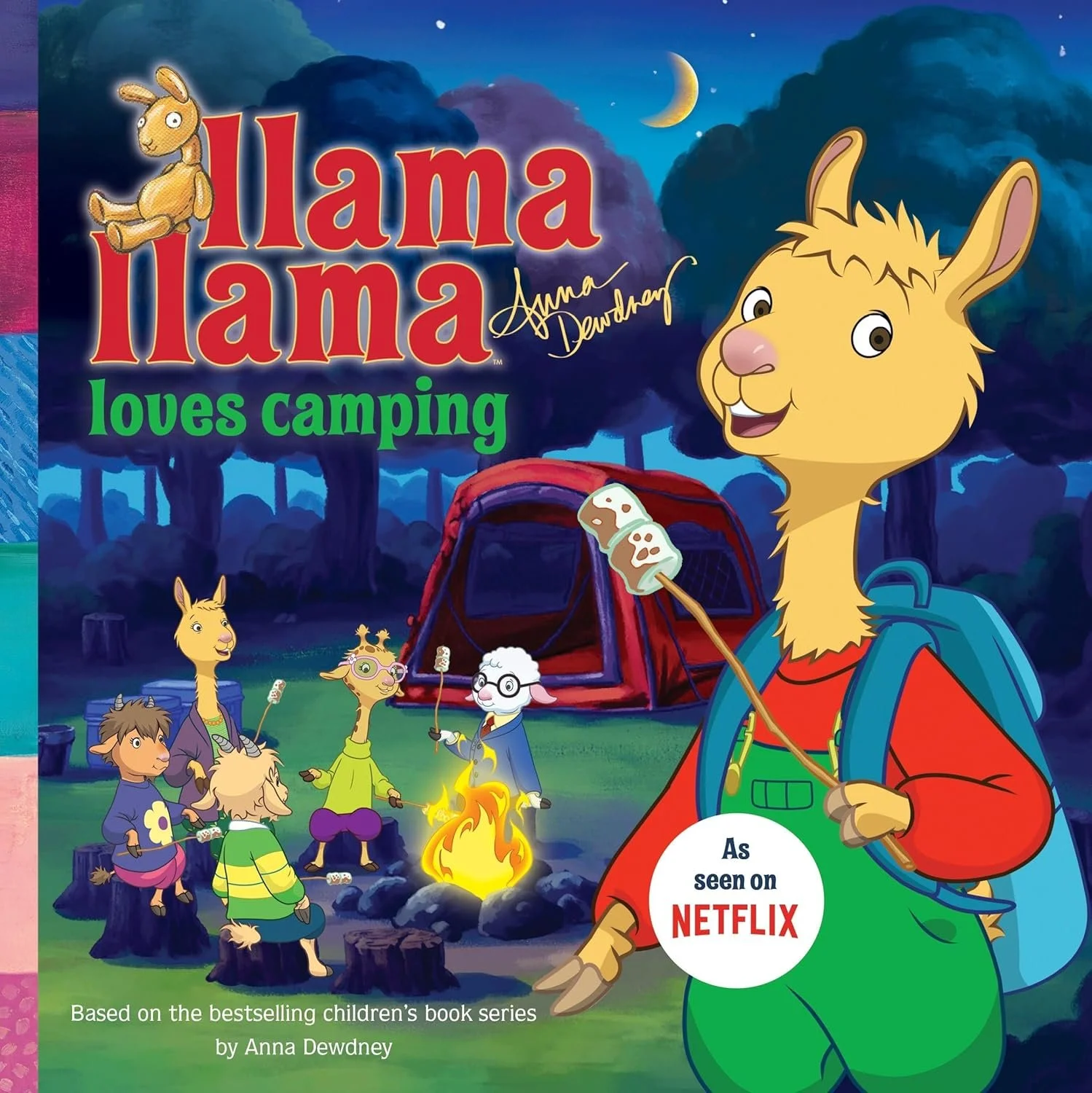
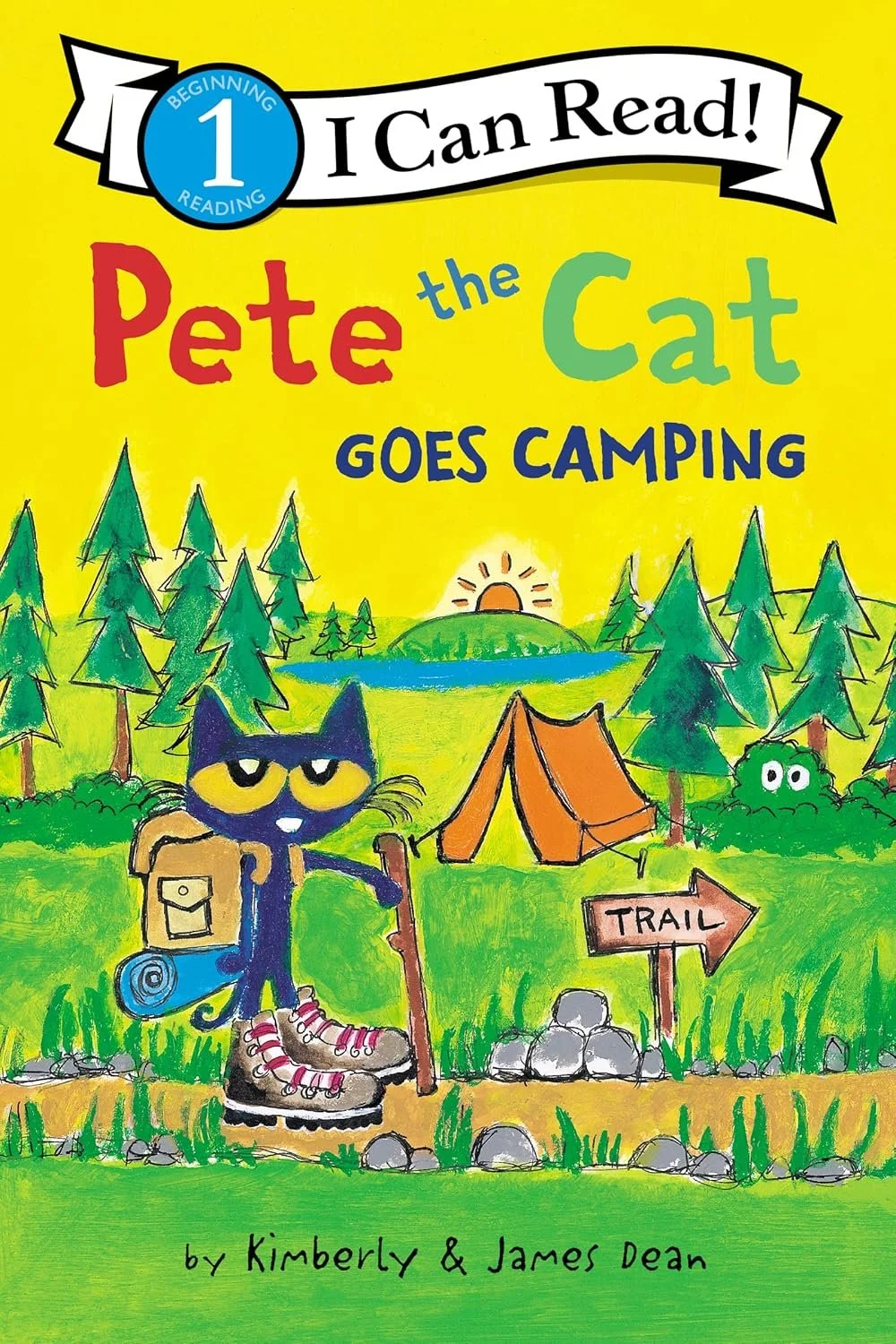
“Campout-only” books
This unexpectedly increased excitement a lot.
Novelty creates anticipation.
The Bigger Parenting Principle
The goal is not constantly entertaining children into reading.
The goal is designing environments where reading feels:
easy to begin,
emotionally rewarding,
sensory-rich,
and naturally attractive.
Less forcing.
More thoughtful systems.
And honestly?
Some of my favorite parenting moments lately have just been:
flashlights,
blankets,
snacks,
and everyone quietly reading together inside a tent in the backyard.
Shop Ideas In This Retro






Note: I may receive a commission from the affiliate links above