4 Systems That Reduced My Parenting Mental Load
Most parenting advice focuses on what you should be doing.
More quality time.
More enrichment.
More organization.
More planning.
But I've found that parenting stress often comes from something much smaller: the hundreds of tiny decisions, errands, and logistical tasks that pile up throughout the week.
The birthday party gift you forgot to buy.
The rainy afternoon when everyone's bored.
The moment you need to work but your child needs something to do.
The problem isn't that these situations are difficult. It's that they require you to stop, think, plan, and solve them in real time.
Over and over again.
One of the easiest ways I've reduced my mental load as a parent is by designing systems that eliminate those decisions before they happen.
Instead of asking, "How can I become more organized?" I ask:
"How can I make this easier for Future Me?"
Here are four low-friction systems that have paid for themselves many times over.
1. Create an "Always Ready" Bin
Some parenting tasks happen so frequently that they don't deserve a spot on your to-do list anymore.
For me, birthday parties are one of them.
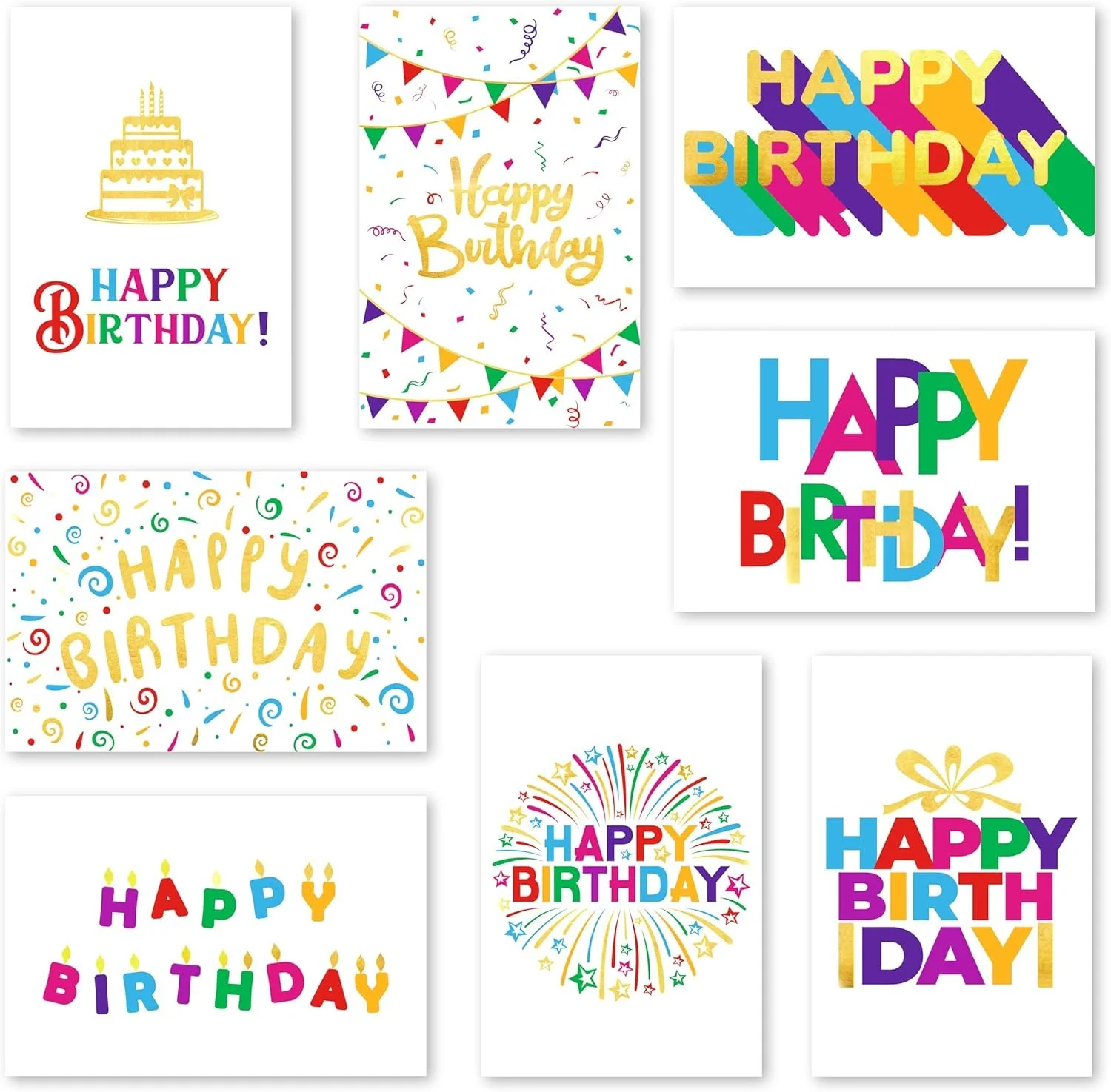
Instead of buying a card every time we're invited to a party, I keep a stash of birthday cards at home. When an invitation arrives, my daughter spends three minutes writing a note or drawing a picture, we grab a gift, and we're done.
No extra errand.
No extra reminder.
No mental energy required.
Other items that belong in an Always Ready Bin:
Birthday cards
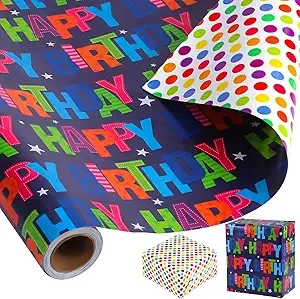
Gift bags
Tissue paper
Tape
Thank-you notes
Generic kid gifts
Batteries
The goal isn't organization for organization’s sake.
The goal is removing recurring tasks from your brain.
Every item in the bin is one less thing you'll need to remember later.
2. Keep a Few "Upgrade Items" Around
One of my favorite parenting shortcuts is keeping a handful of inexpensive items that can instantly make an ordinary day feel special.
I call them upgrade items.
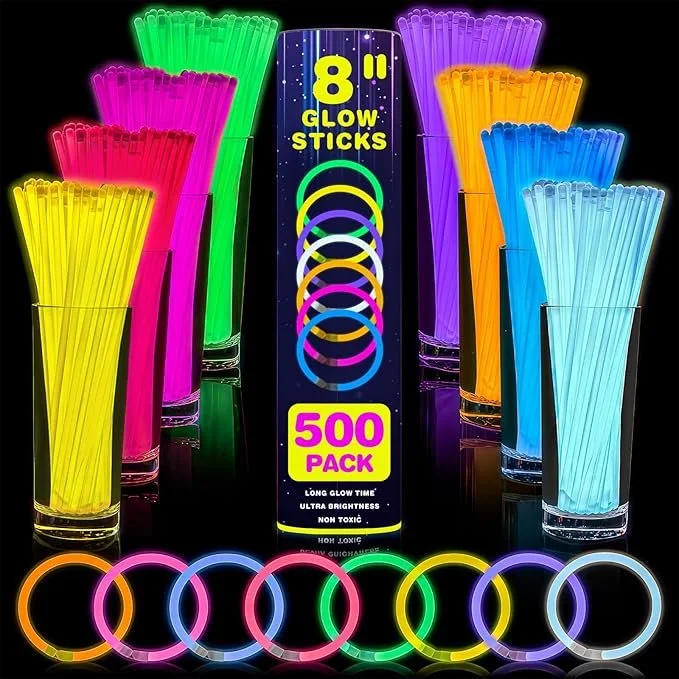
A glow stick costs almost nothing.
But it can transform a regular bath into a glow-in-the-dark bath.
It can make a backyard evening feel like an adventure.
It can turn a rainy afternoon into something memorable.
The magic isn't the glow stick itself.
It's that the solution is already sitting in a drawer when you need it.
Other upgrade items might include:
Glow sticks
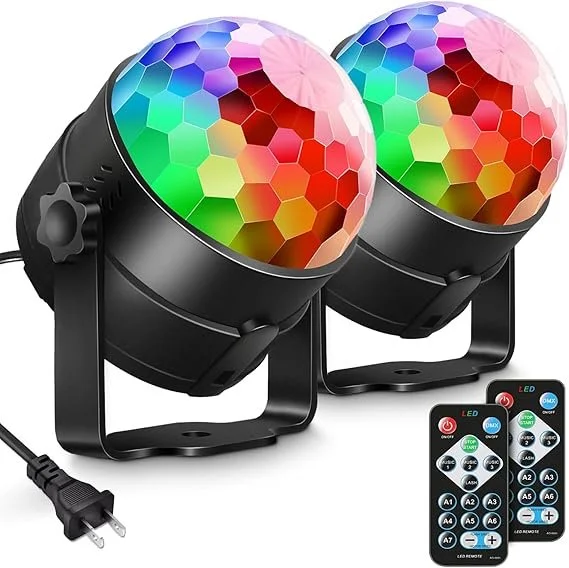
Disco lights
Temporary tattoos
Bath color tablets
Flashlights
Fancy straws
Popcorn bucket
Sidewalk chalk
When kids are home sick, the weather ruins your plans, or you desperately need thirty uninterrupted minutes to finish something, novelty is often your best friend.
The key is reducing the barrier between the idea and the activity.
3. Look for Activities That Stack Benefits
One source of parental guilt is feeling like we have to choose between what kids enjoy and what's good for them.
Independent play or learning.
Quiet time or enrichment.
Fun or skill-building.
Whenever possible, I look for activities that do both.
Think of these as "stacking benefits" activities.
For example:
A coloring book might provide:
Quiet independent time
Fine motor practice
Creativity
Emotional regulation
Social-emotional learning
A child sees coloring.
You get a moment to answer emails.
They practice skills at the same time.
Everyone wins.
Other examples include:
Audiobooks while coloring
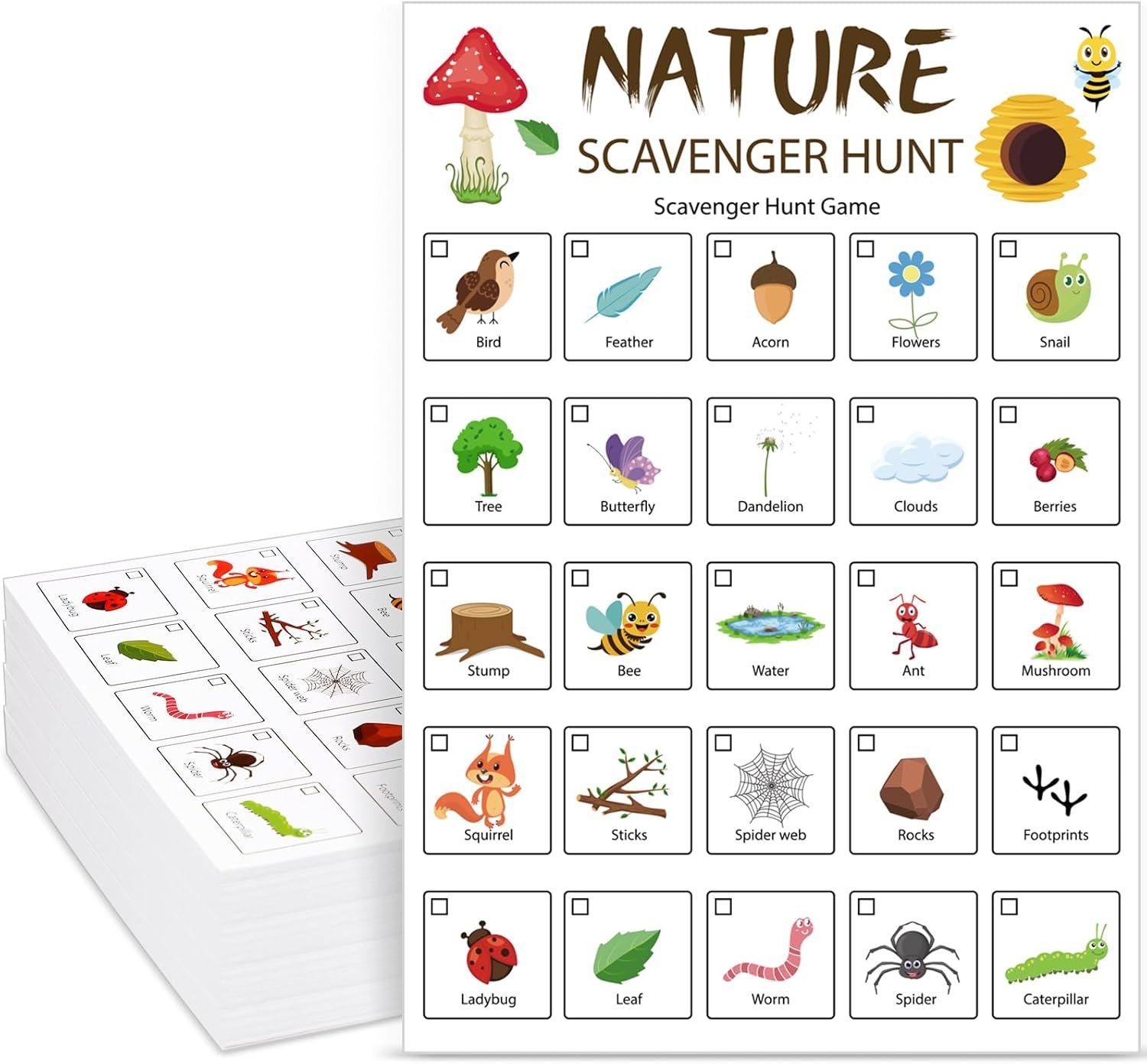
Nature scavenger hunts
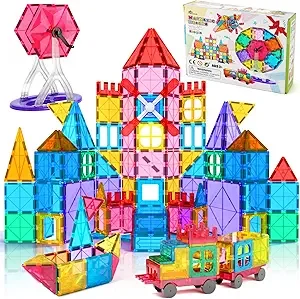
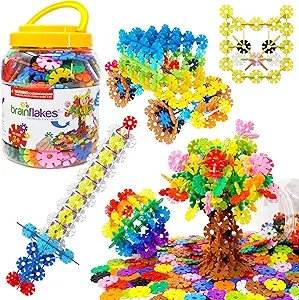
Building kits
Puzzle books
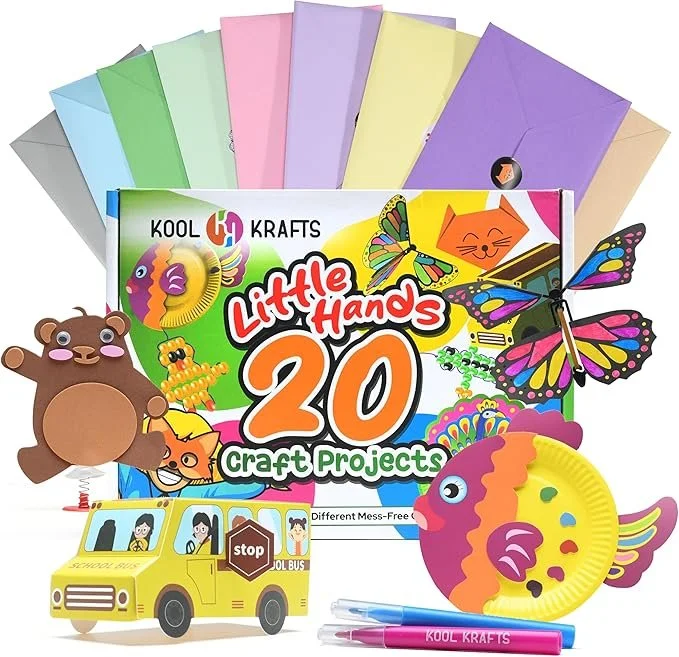
Crafts that involve following directions
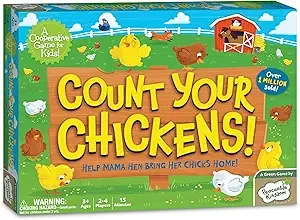
Board games that require strategy and turn-taking
The best activities aren't necessarily the most educational.
They're the ones that solve multiple problems at once.
When an activity provides fun, independence, and development simultaneously, you've reduced friction for both yourself and your child.
4. Invest in "One More Hour" Purchases
Most parents evaluate purchases by asking:
"Is this worth the money?"
I've started asking a different question:
"How many hours of independent play will this create?"
Some items consistently generate far more value than their price tag suggests because they buy time.
Not screen time.
Not parent-led entertainment.
Independent engagement.
Examples might include:
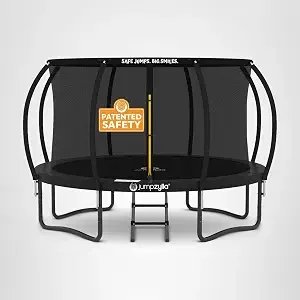
A trampoline
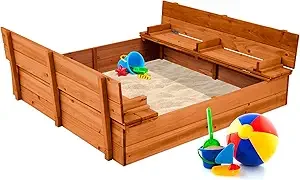
A sandbox
An outdoor projector
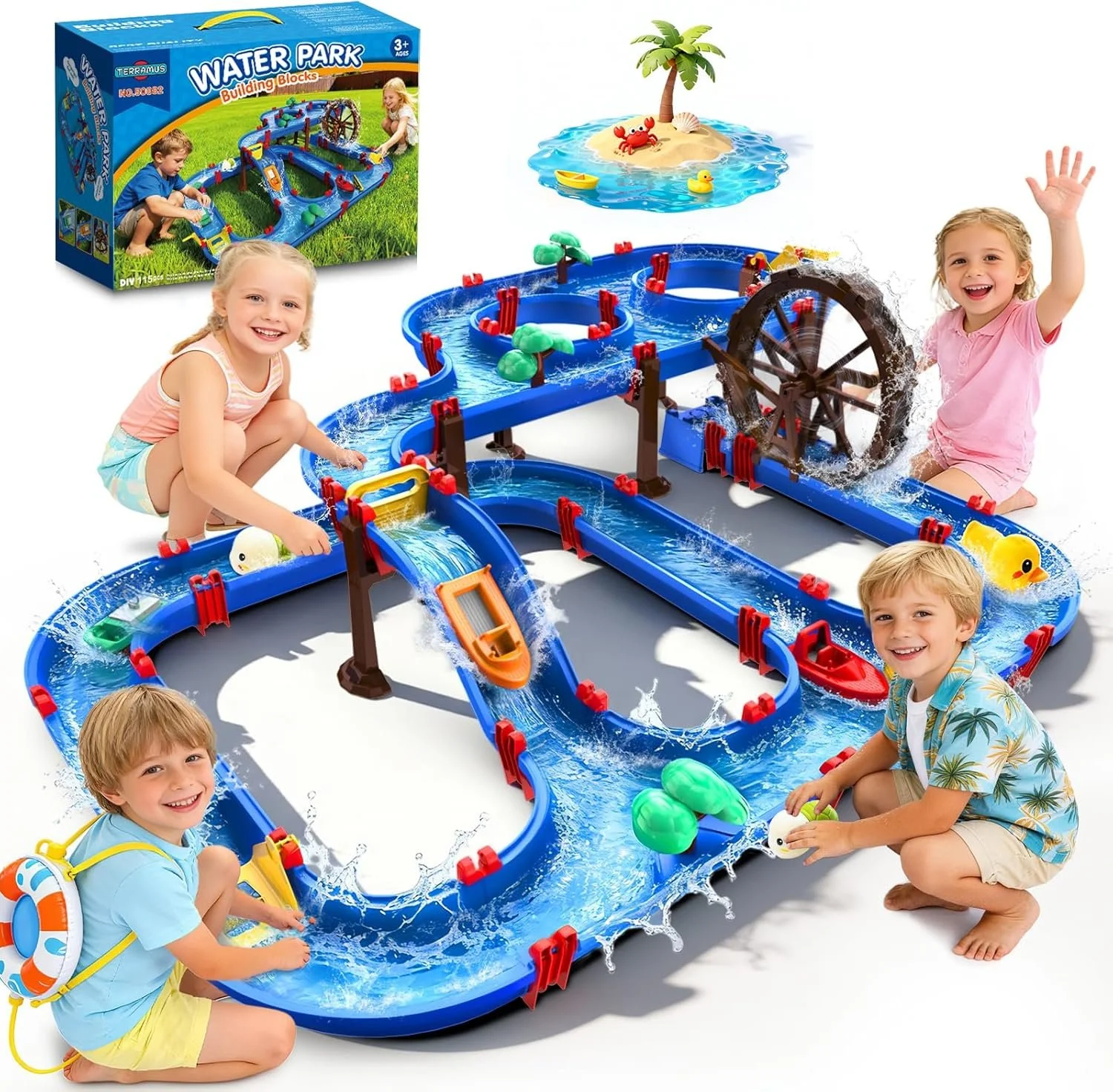
A water table
Magnetic tiles
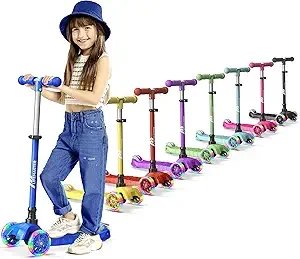
A scooter
A basketball hoop
These purchases aren't really about the item.
They're about creating environments where kids can entertain themselves.
If something reliably creates one more hour of outdoor play, one more hour of creativity, or one more hour of independent exploration, it may be one of the highest-return investments a parent can make.
The Bigger Idea
The goal isn't to optimize every aspect of parenting.
The goal is to reduce unnecessary friction.
Small systems often outperform good intentions because they remove the need to remember, decide, plan, and organize in the moment.
A box of birthday cards.
A drawer of glow sticks.
Activities that stack benefits.
A backyard setup that encourages independent play.
None of these changes are revolutionary on their own.
But together, they create something every parent needs more of:
A little more margin.
A little less mental load.
And a lot fewer things living rent-free in your head.
Shop Ideas From This Retro






Note: I may receive a small commission from the links above.