Fidget Toys Are Not Just Toys. They’re Nervous System Tools.
One thing I think parents are starting to realize:
A lot of “behavior problems” are actually regulation problems.
Not always.
Not entirely.
But often.
Because kids are being asked to do things that are neurologically hard:
sit still,
wait,
focus,
transition,
stay quiet,
tolerate boredom,
ignore sensory discomfort,
and regulate emotions with immature nervous systems.
And honestly? Adults struggle with this too.
We just call it:
coffee,
leg bouncing,
doomscrolling,
stress scrolling,
pen clicking,
or pacing during phone calls.
Humans regulate themselves through movement and sensory input constantly.
Kids are no different.
Which is why I think fidget toys get misunderstood.
Because the right sensory tool is not really about entertainment.
It’s about regulation.
The Systems-Thinking Approach to Fidgets
Most people think about fidget toys like random kid clutter.
But I’ve started thinking about them more like:
environmental support tools.
Different nervous systems need different types of sensory input.
Some kids need:
movement.
Some need:
deep pressure.
Some need:
tactile stimulation.
Some need:
repetitive motion.
Some need:
something small that keeps part of the brain occupied so the rest of the brain can focus.
The goal is not:
perfect stillness.
The goal is:
a regulated nervous system that can function more successfully in the environment it’s in.
That distinction matters a lot.
Not All Fidgets Solve the Same Problem
This was the biggest mindset shift for me.
Because some fidgets:
calm.
Some:
stimulate.
Some:
focus attention.
Some:
release energy.
Some:
reduce anxiety during transitions or waiting.
And once you understand that, you stop buying random toys and start building a toolkit intentionally.
1. Fidgets for Calm + Anxiety Regulation
Some kids need sensory input that helps the nervous system downshift.
Usually:
soft,
repetitive,
predictable,
or soothing tactile input.
These tend to work especially well for:
anxiety,
transitions,
bedtime,
doctor appointments,
or emotional overwhelm.
Things like:
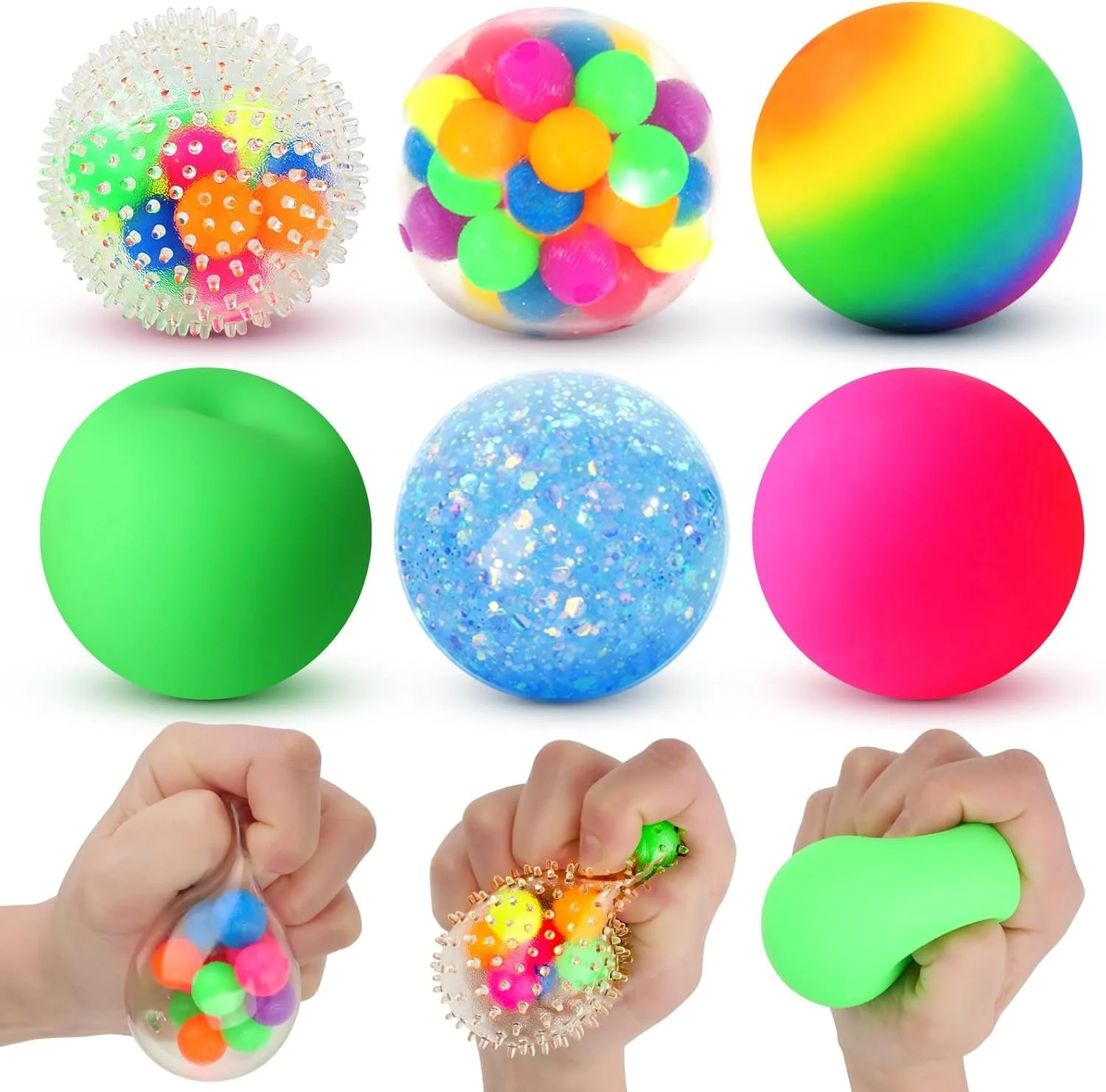
squishies,
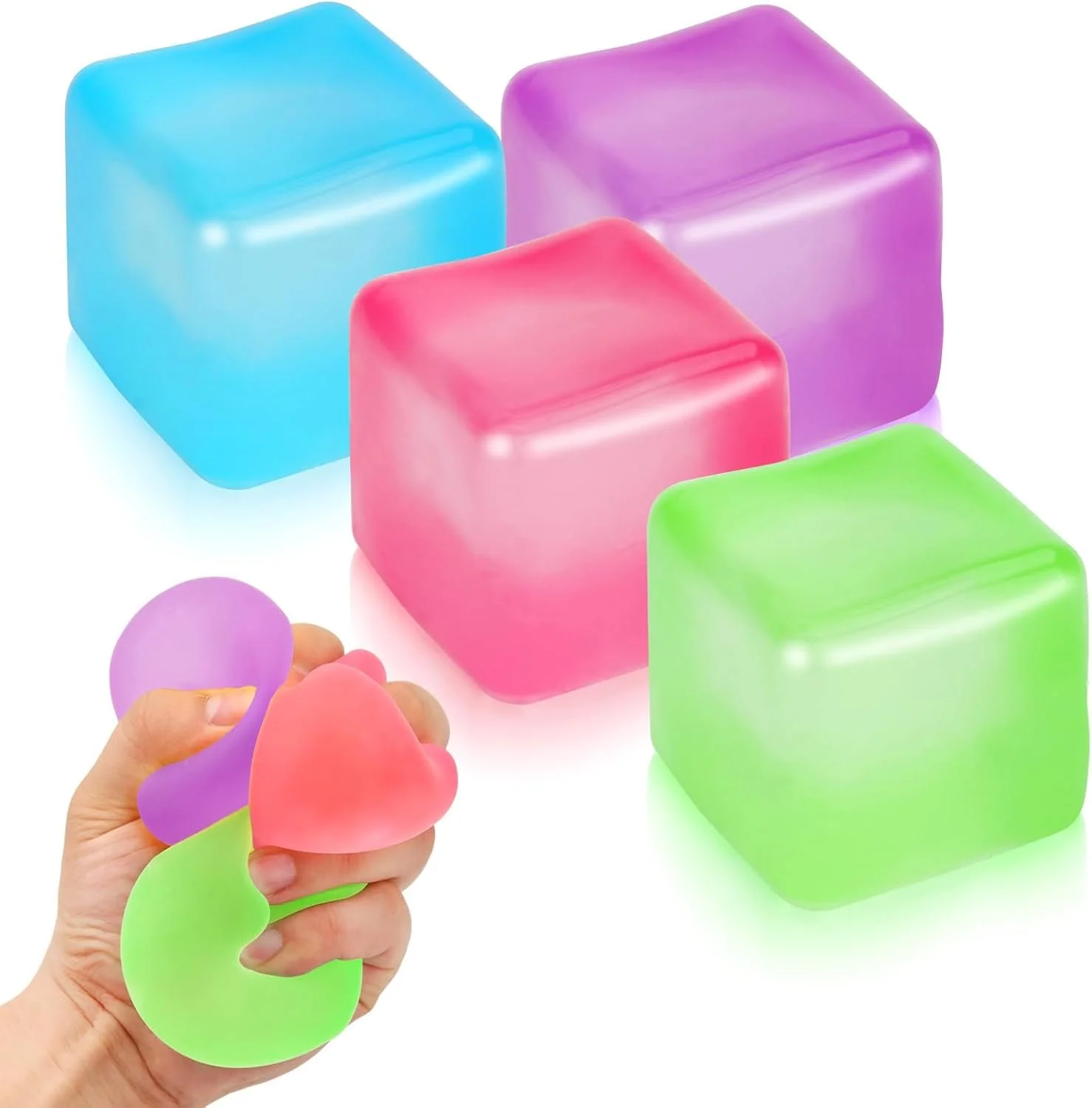
NeeDoh cubes,
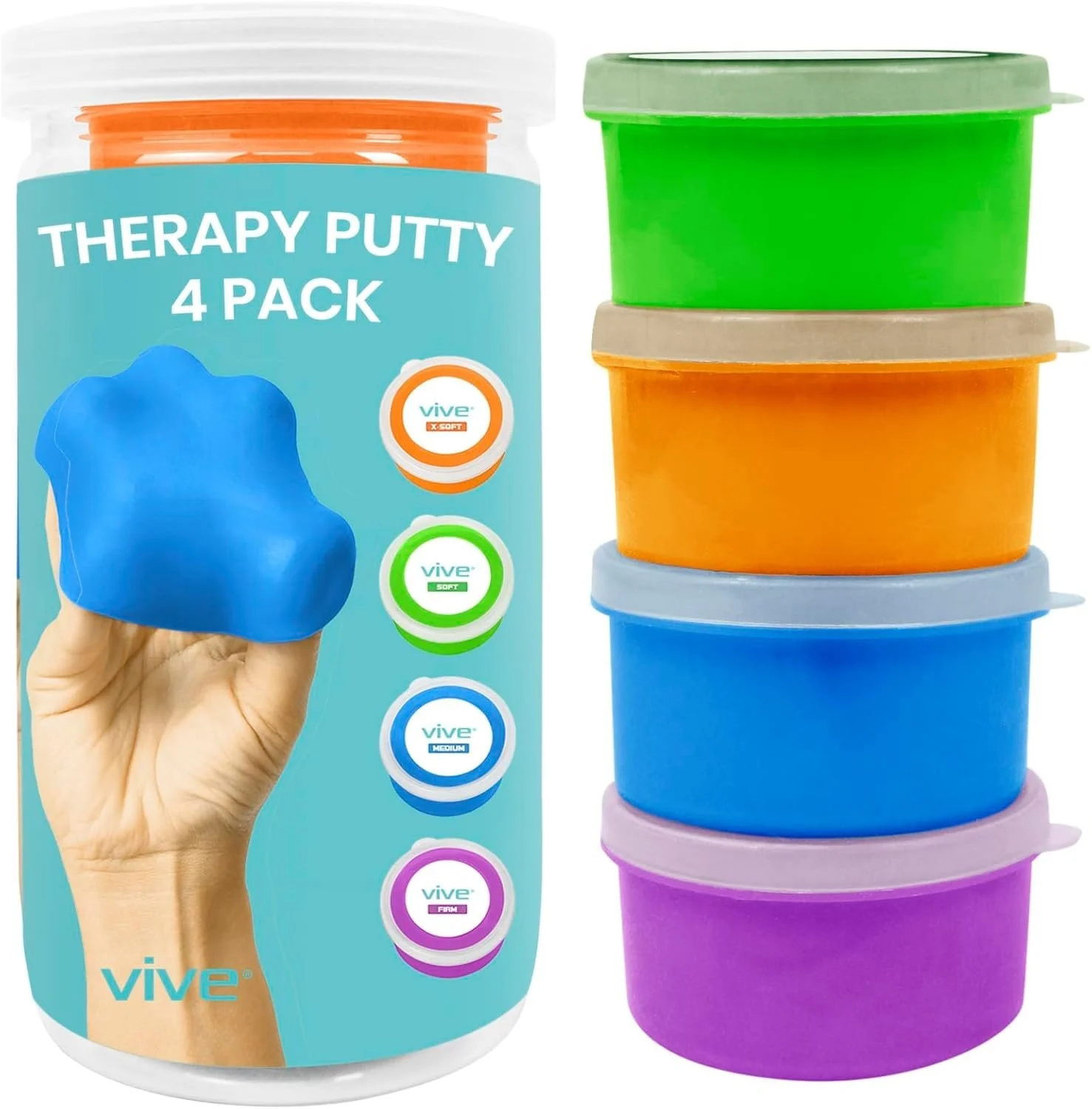
soft putty,
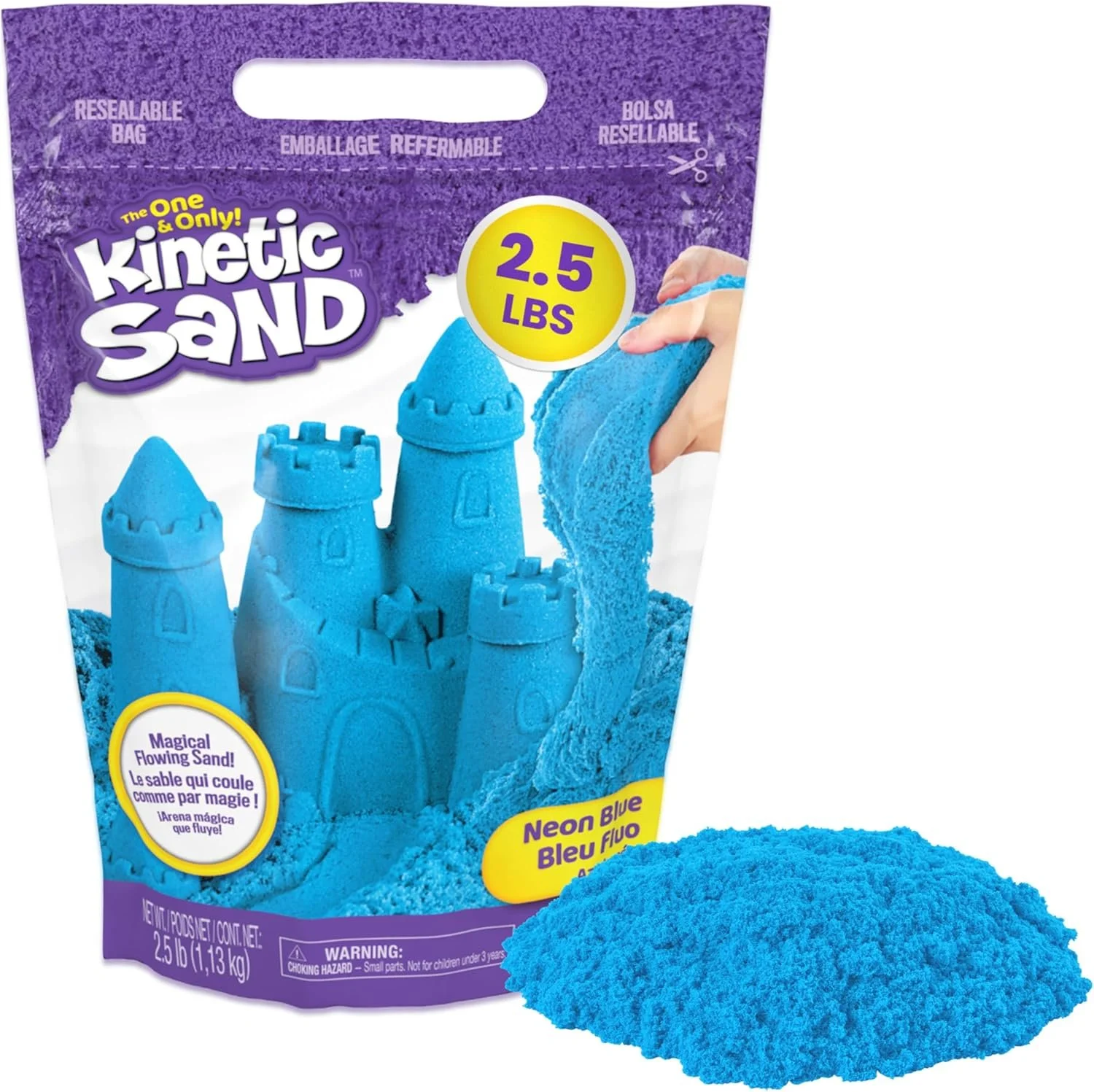
kinetic sand,
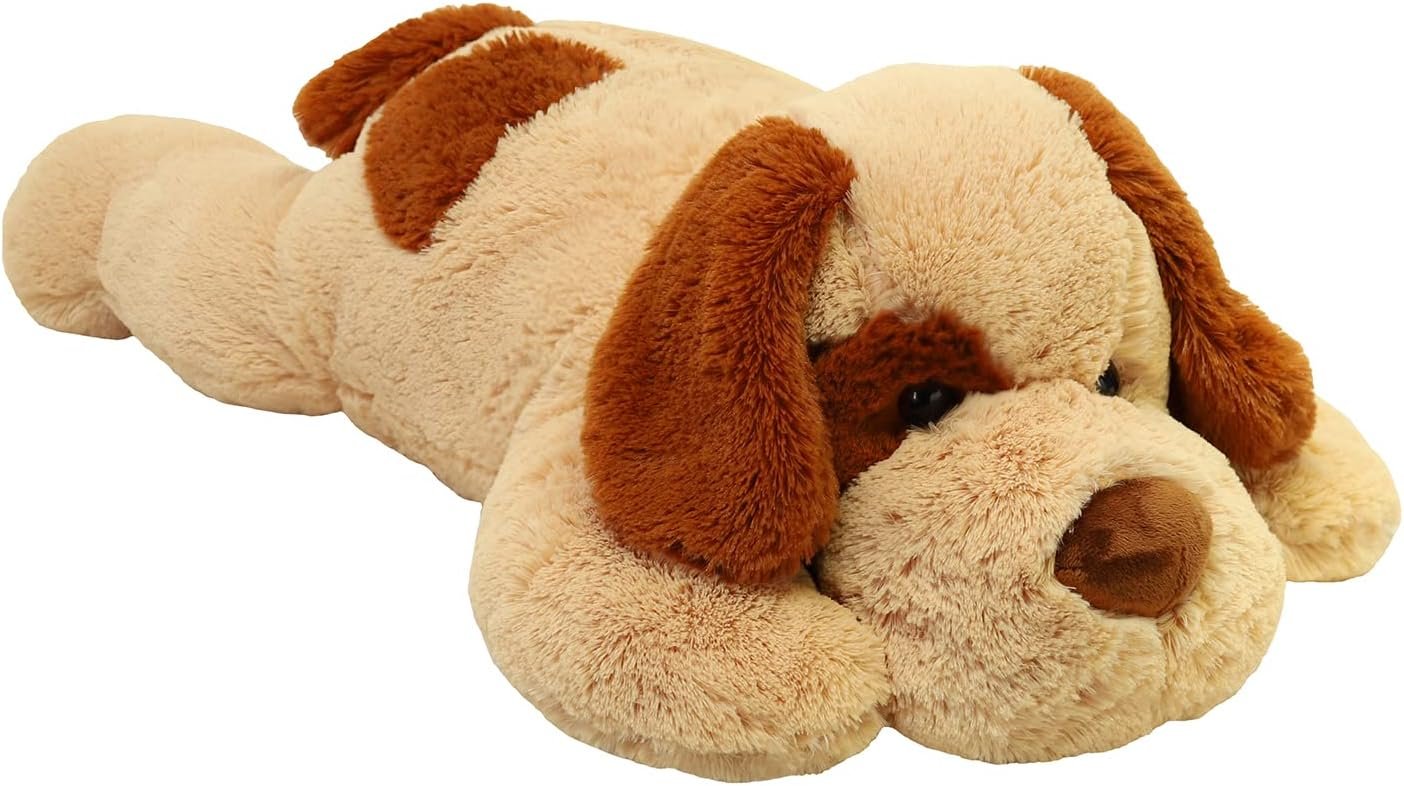
weighted stuffed animals,
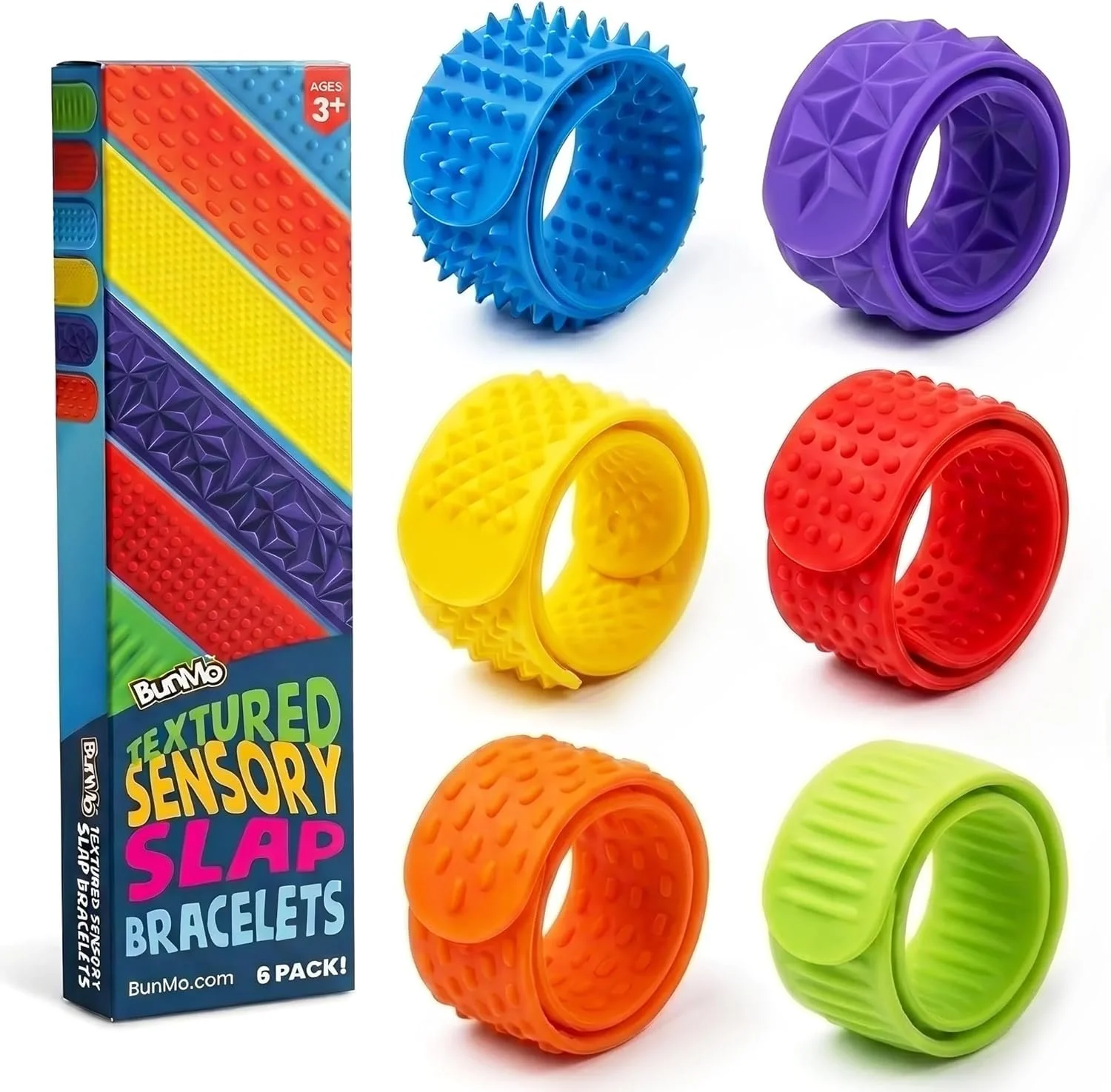
and textured silicone toys.
Why these help:
repetitive tactile input can feel grounding and organizing to the nervous system.
There’s a reason so many adults:
squeeze stress balls,
rub fabrics,
or play with jewelry unconsciously.
The body often seeks regulation through sensory repetition.
2. Fidgets for Focus + Attention
This category is fascinating because some kids actually focus better when part of their nervous system is mildly occupied.
Controlled movement can reduce the internal urge to seek stimulation elsewhere.
Which is why some children listen better while:
drawing,
building,
bouncing,
or using small hand fidgets.
Things like:
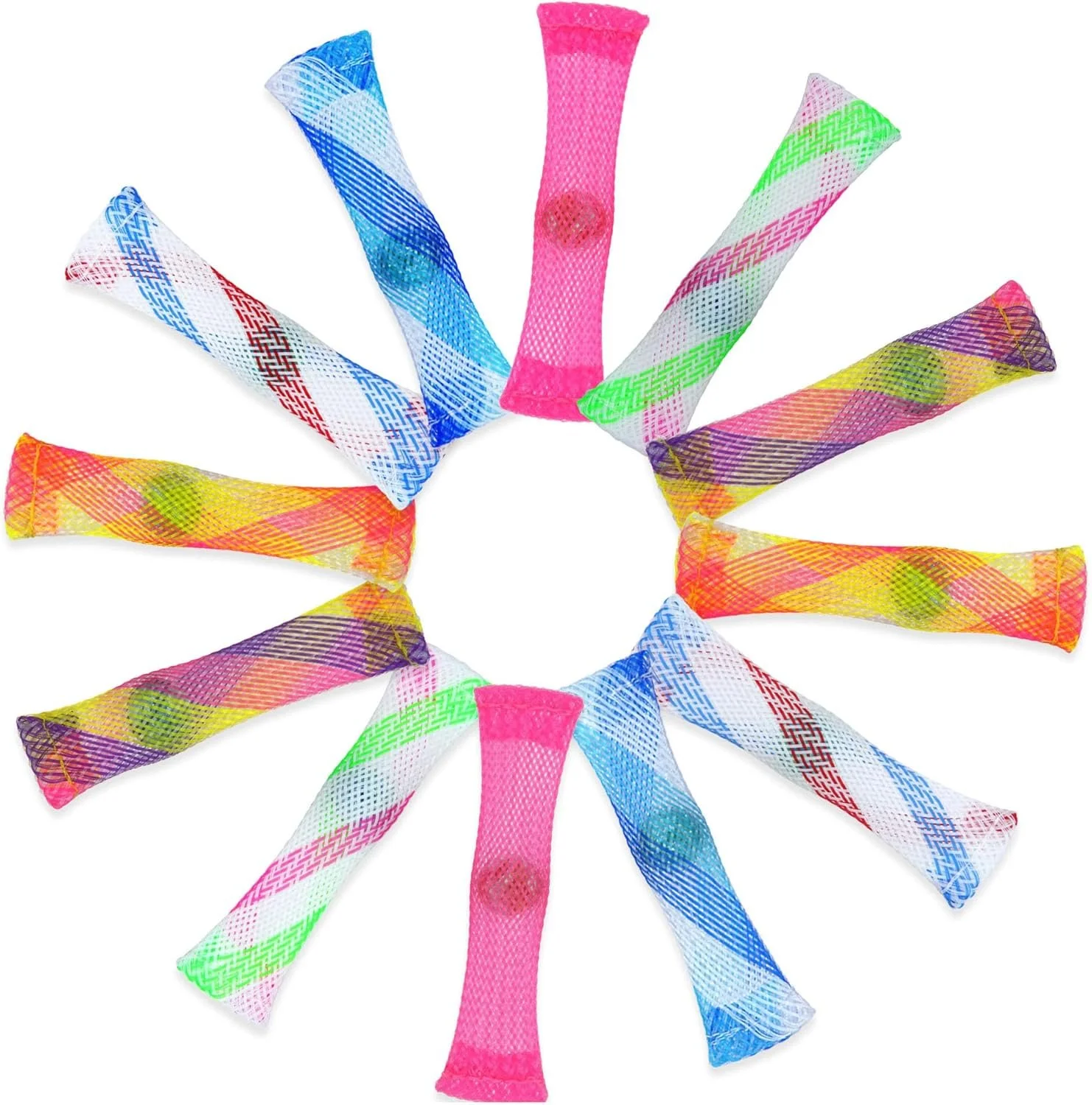
marble mesh fidgets,
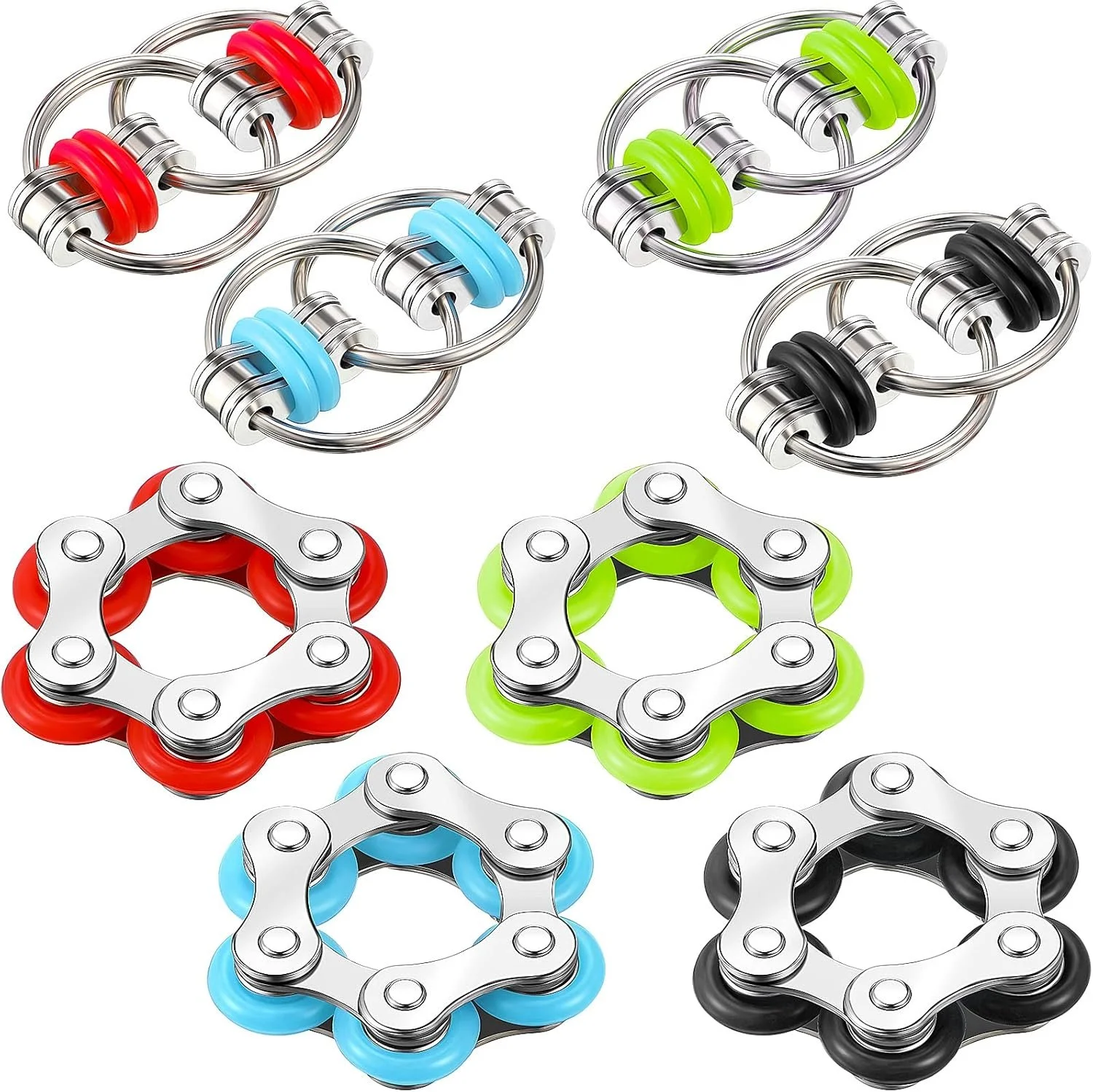
bike chain fidgets,
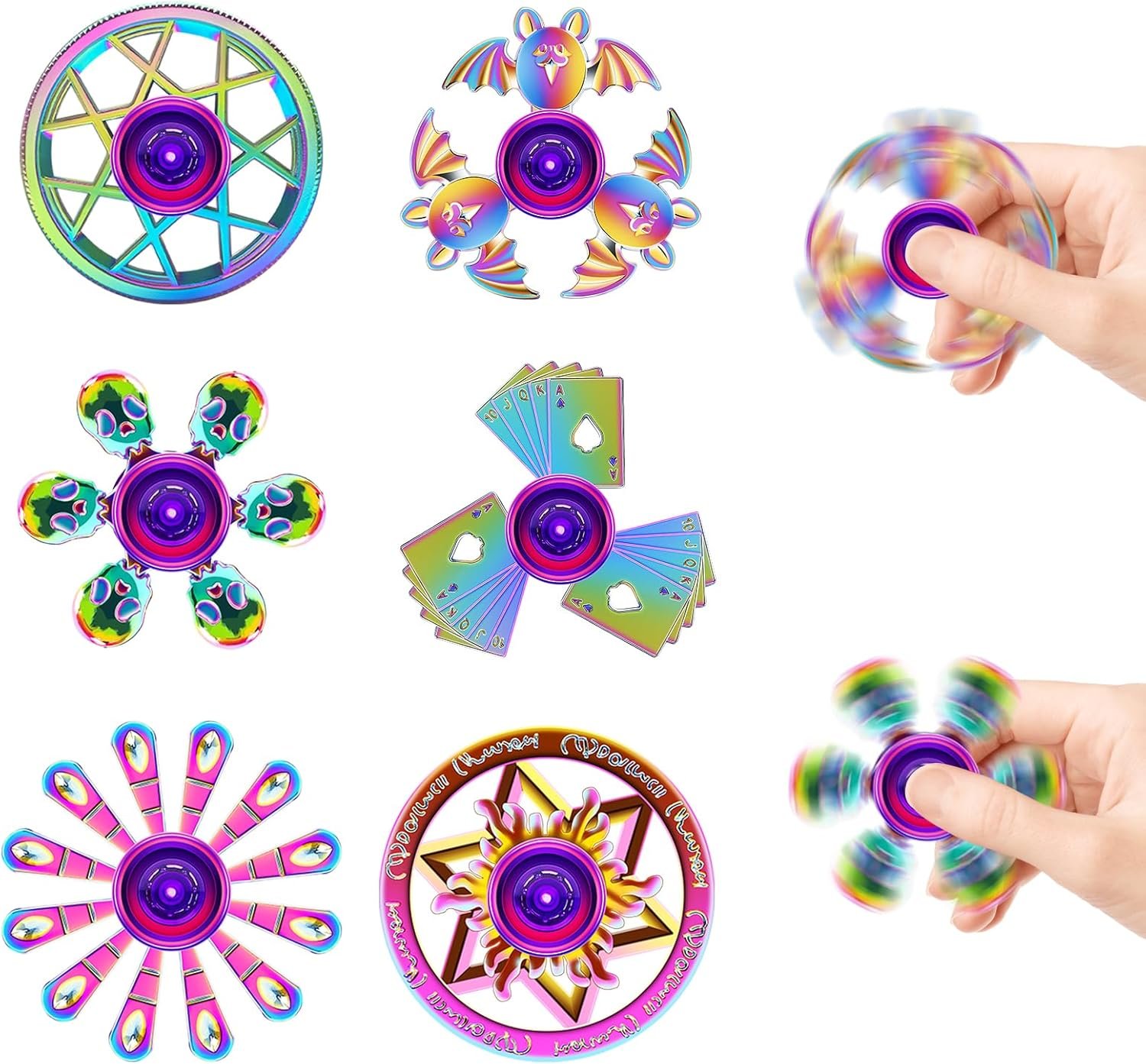
spinners,
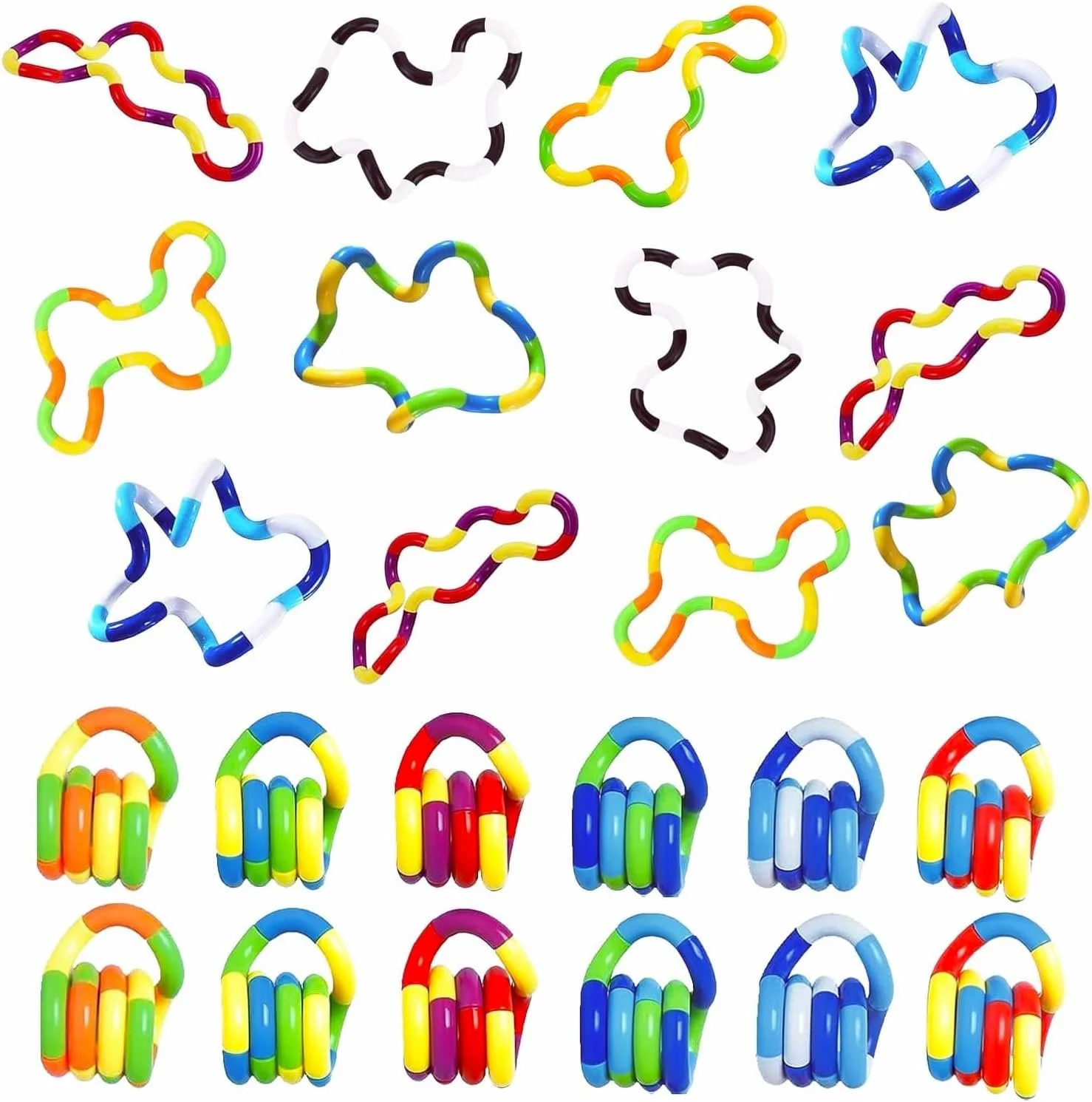
Tangles,
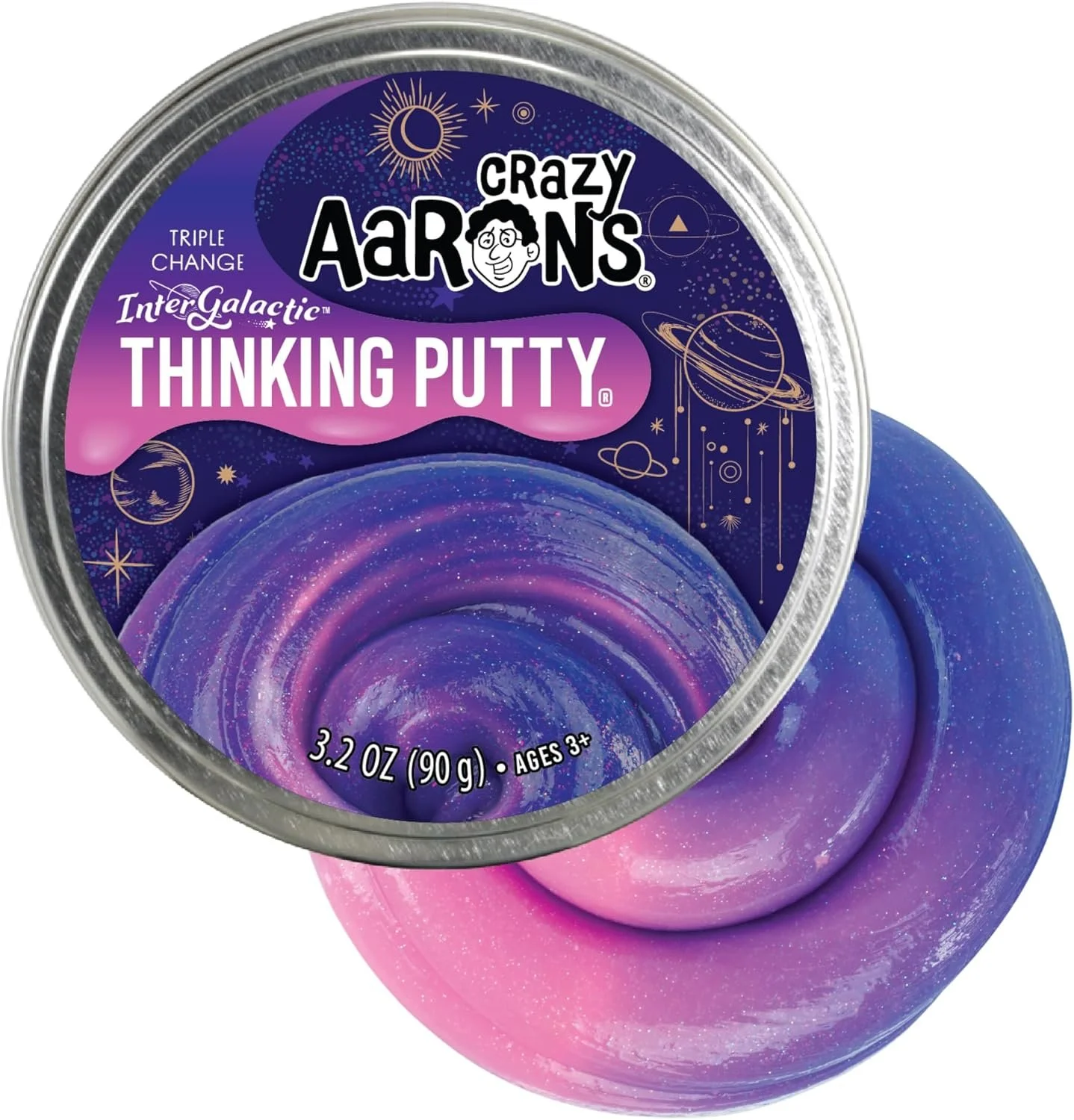
Thinking Putty,
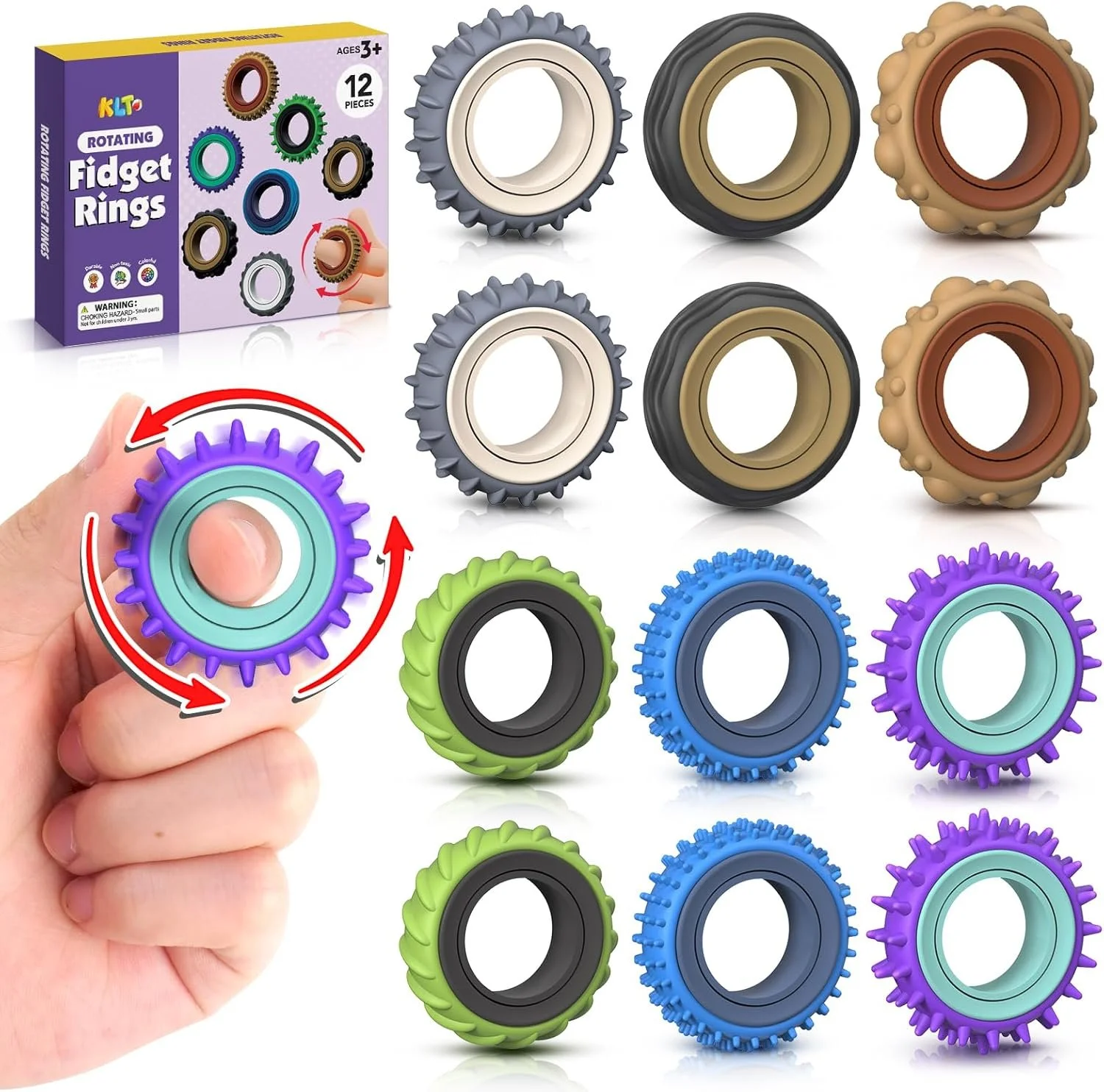
or textured rings.
The important distinction:
the fidget should support attention,
not completely hijack it.
The goal is:
background regulation.
Not replacing the task itself.
3. Some Kids Don’t Need Tiny Fidgets. They Need Movement.
This one is hugely overlooked.
Sometimes a child is not:
under-focused.
They’re:
under-moved.
And no tiny desk toy is going to solve a nervous system that actually needs large-body movement.
Some kids regulate best through:
jumping,
pushing,
spinning,
climbing,
balancing,
or resistance.
This is especially true after:
school,
long car rides,
indoor days,
or high-demand environments.
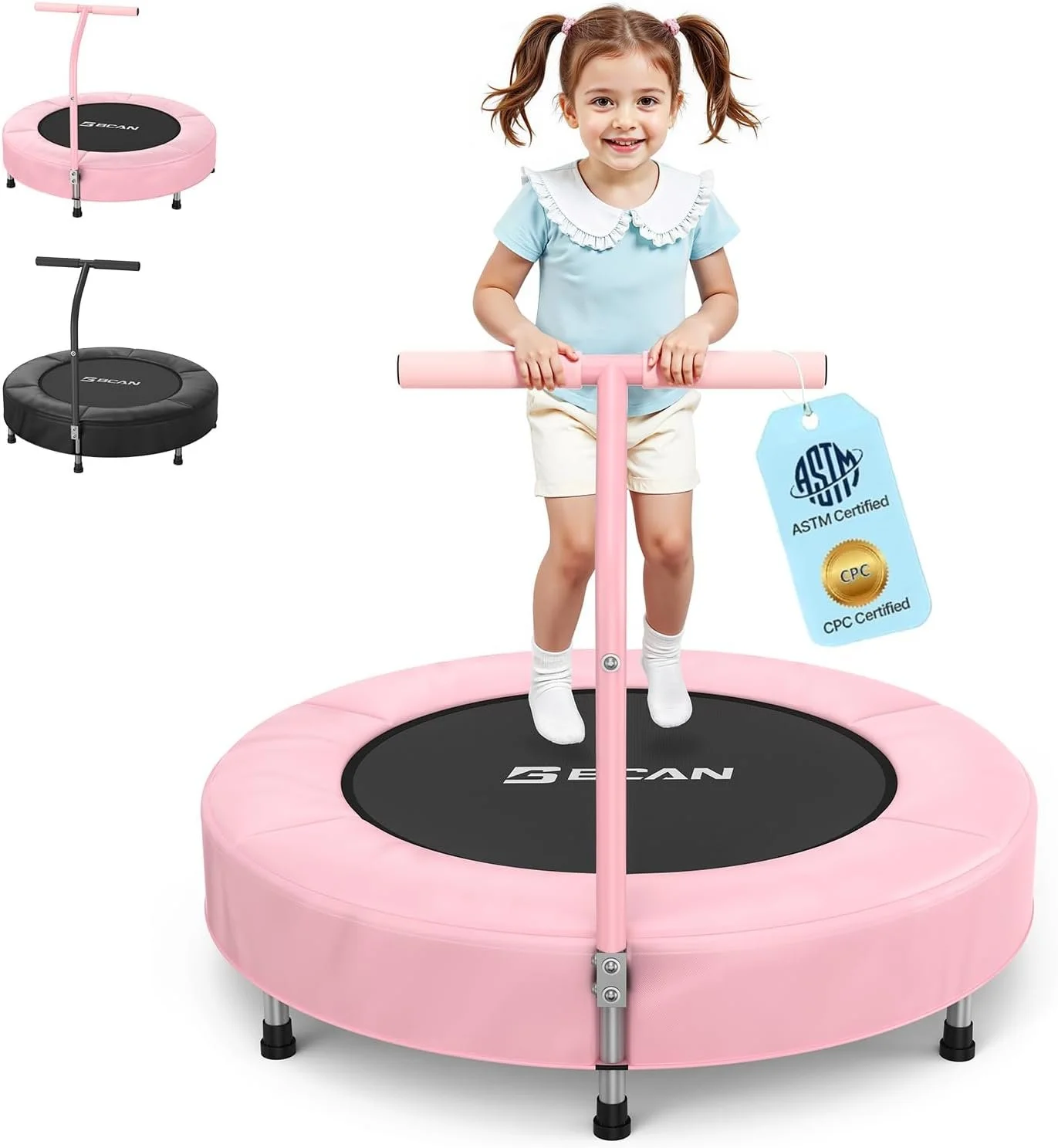
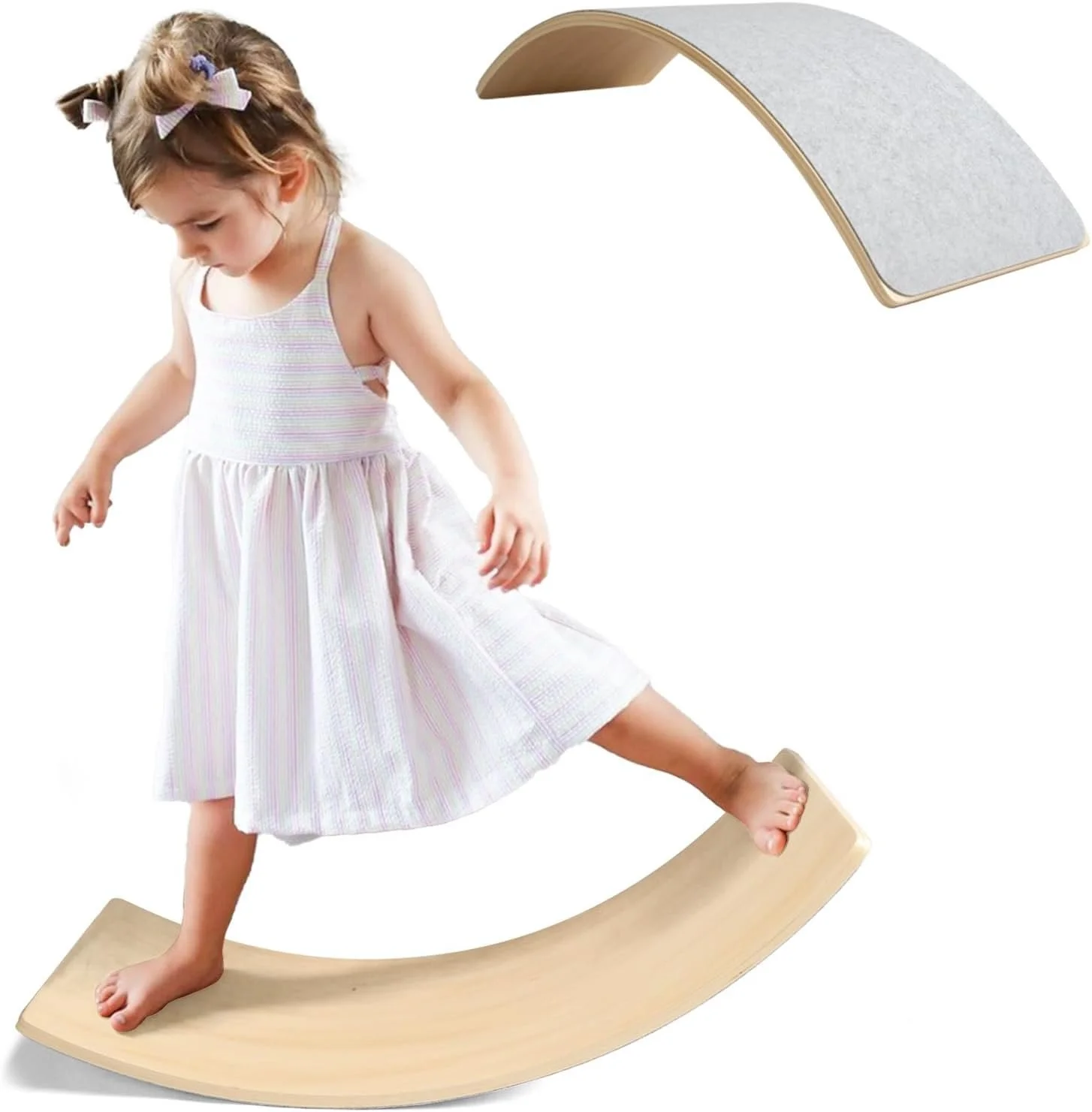
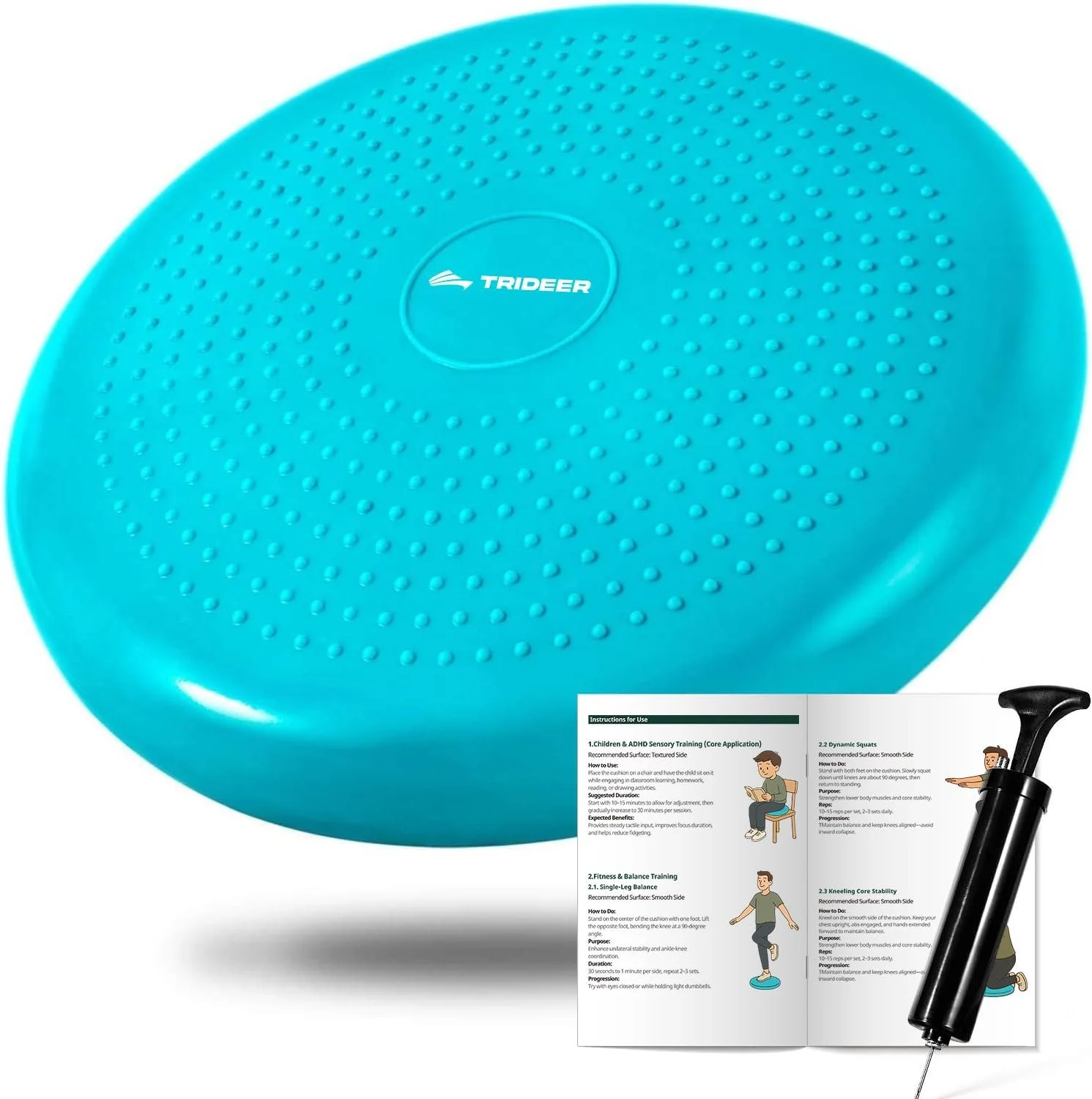
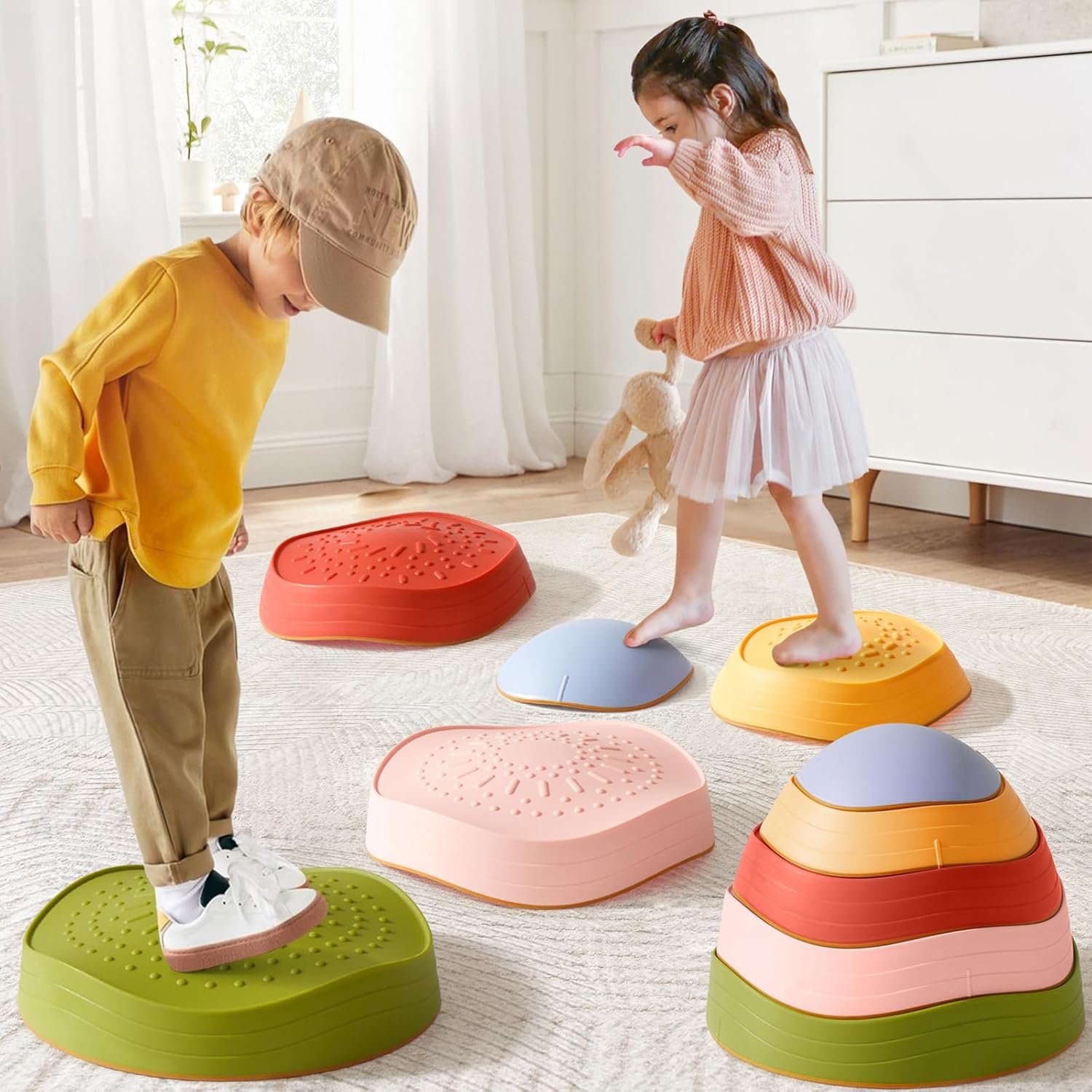
The tools that help here are usually things like:
mini trampolines,
balance boards,
wobble cushions,
stepping stones,
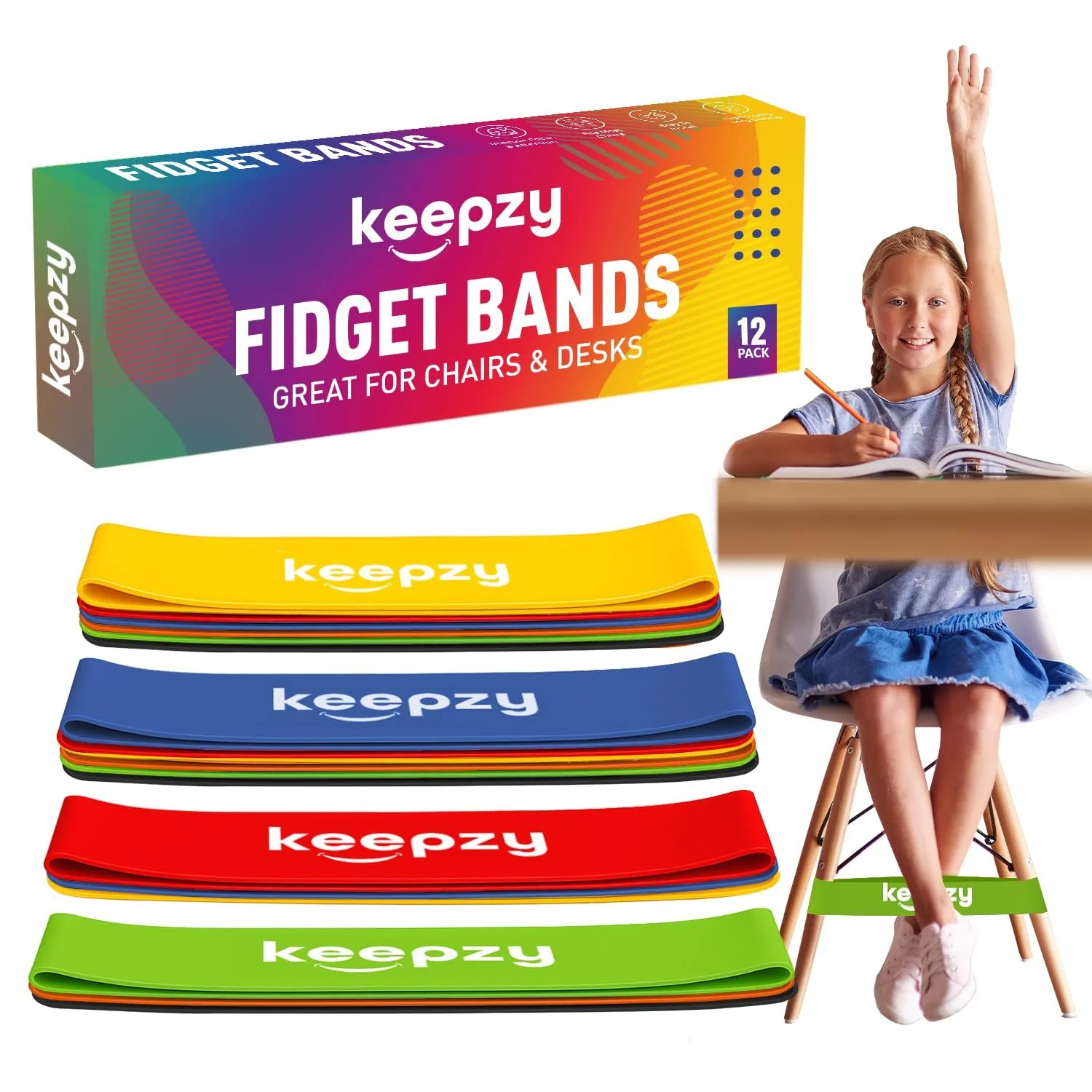
resistance bands,
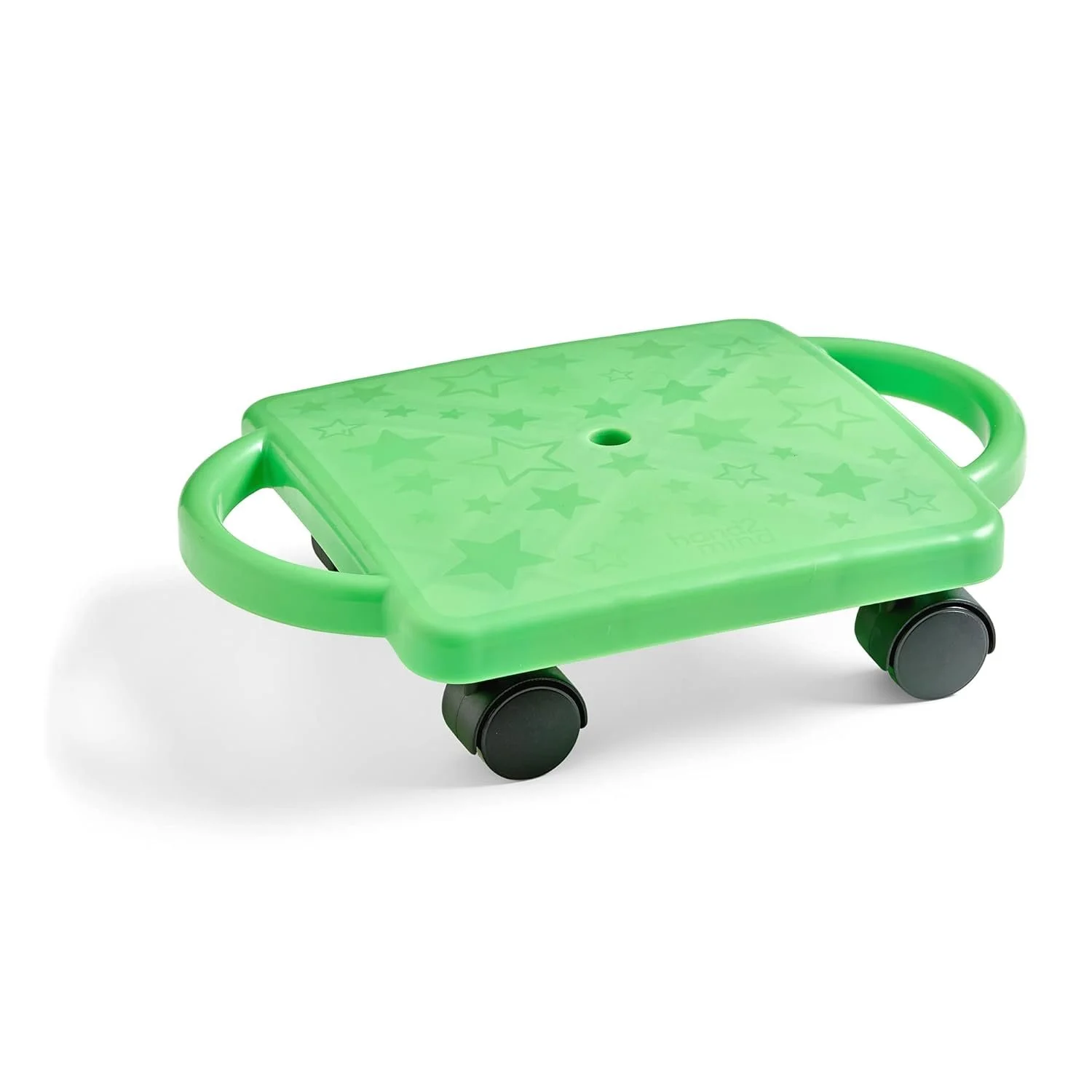
scooter boards,
or obstacle course pieces.
Honestly, many “behavior issues” improve dramatically when movement stops being treated like the enemy.
4. Fidgets Work Especially Well in High-Friction Environments
This is where I use them the most strategically.
Because some environments are simply hard for kids:
restaurants,
church,
appointments,
airports,
waiting rooms,
sporting events,
long sibling activities,
car rides.
That’s not bad parenting.
That’s a high-demand environment for an immature nervous system.
So instead of expecting kids to magically tolerate boredom and waiting indefinitely,
I think:
“How do I reduce friction proactively?”
Portable sensory tools help enormously here.
Especially:
quiet,
mess-free,
novel,
open-ended ones.
A small “regulation pouch” in the car or diaper bag has honestly prevented so many meltdowns for us.
5. The Best Sensory Tools Usually Have Open-Ended Use
This aligns with how I think about toys generally.
The best tools are usually:
platforms,
not performances.
Meaning:
kids can continuously reinvent how they use them.
Putty can become:
stretching,
building,
hiding,
rolling,
squeezing,
flattening,
or storytelling.
Balance boards become:
bridges,
slides,
boats,
stages,
or obstacle courses.
Open-ended sensory tools tend to last longer because they scale with creativity.
The Bigger Parenting Principle Underneath All This
A lot of parenting advice focuses on:
controlling behavior in the moment.
But systems-thinking parenting asks:
“What environmental supports make success easier naturally?”
That’s a different lens entirely.
Because sometimes the solution is not:
more correction.
Sometimes it’s:
better regulation support.
Better movement opportunities.
Better sensory input.
Better transitions.
Better environmental design.
Less forcing.
More support.
The Goal Is Not Perfectly Quiet Children
This part feels important.
Children are not robots.
And honestly, many modern environments ask kids to suppress normal nervous-system needs for very long periods of time.
The goal is not:
emotionless,
motionless,
silent children.
The goal is:
kids who can function,
focus,
transition,
and regulate more successfully.
Sometimes a tiny sensory tool creates an outsized improvement simply because the nervous system finally has what it was seeking all along.
And honestly?
I think a lot of parenting gets easier once you stop viewing regulation tools as “extra stuff” and start viewing them as infrastructure.
Shop Ideas From This Retro
Note: I may receive commission from the affiliate links above.