Products that lower friction
Most parenting overwhelm isn’t caused by one big thing.
It’s usually the accumulation of tiny daily frictions:
too much setup,
constant reminders,
overstimulation,
hard transitions,
or environments that make healthier choices harder to access.
These are the products, tools, and simple systems that have genuinely helped make family life feel calmer, easier, and more sustainable in our home.
Not because parenting needs more stuff.
But because thoughtful tools can reduce friction in meaningful ways.
Calm & Capable
Helping kids regulate through environments that naturally support calm, decompression, and nervous system recovery.
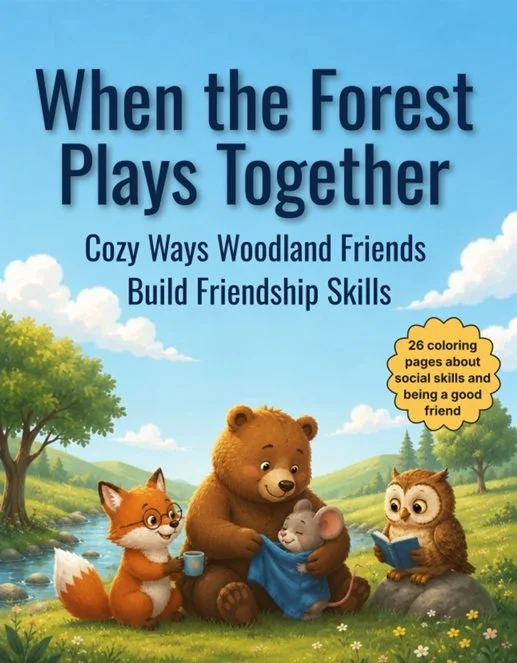
Helps children practice friendship skills like empathy, cooperation, kindness, and including others. Each page is carefully crafted with a scene of woodland friends showing care and an affirmation about friendship.
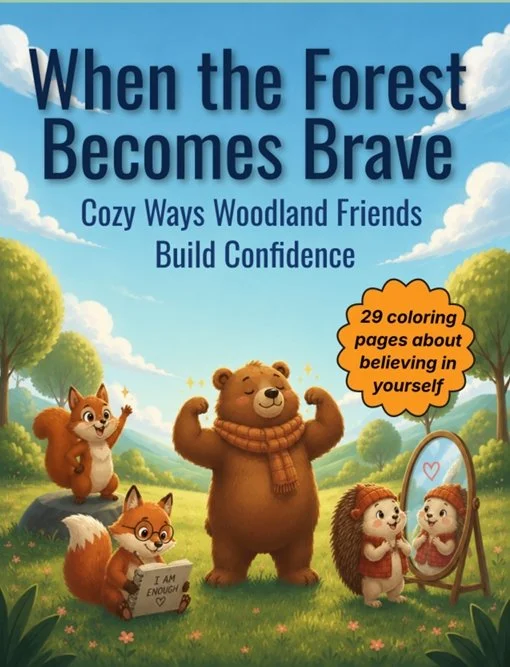
Encourages kids to try new things, face challenges, and develop the confidence that grows from small acts of courage. Each page features a scene of a woodland friend trying something new and an affirmation of confidence.
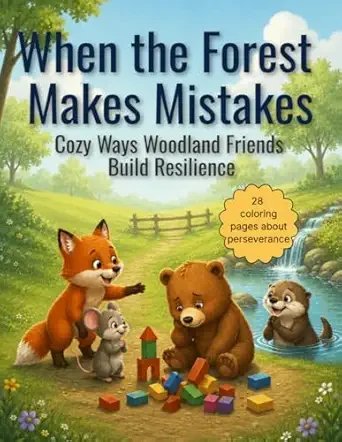
Teaches resilience, perseverance, and the understanding that mistakes are an important part of learning and growth. Each cozy picture contains a scene where an animal friend overcomes a hard time accompanied by an affirmation of resilience.
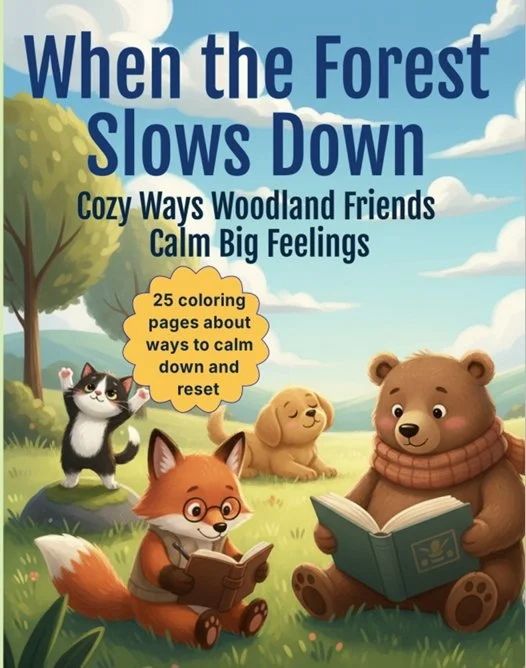
Helps children build emotional awareness and self-regulation skills through calming woodland stories and cozy coloring pages. Each page also includes an affirmation to help kids understand they have the power to calm themselves.
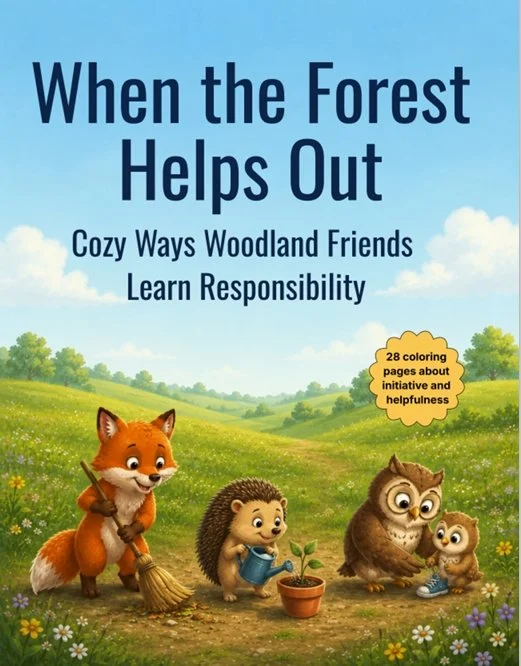
A gentle way to teach responsibility, initiative, and the confidence that comes from contributing to family and community life. Each page has a cozy picture to color and an affirmation about responsibility.
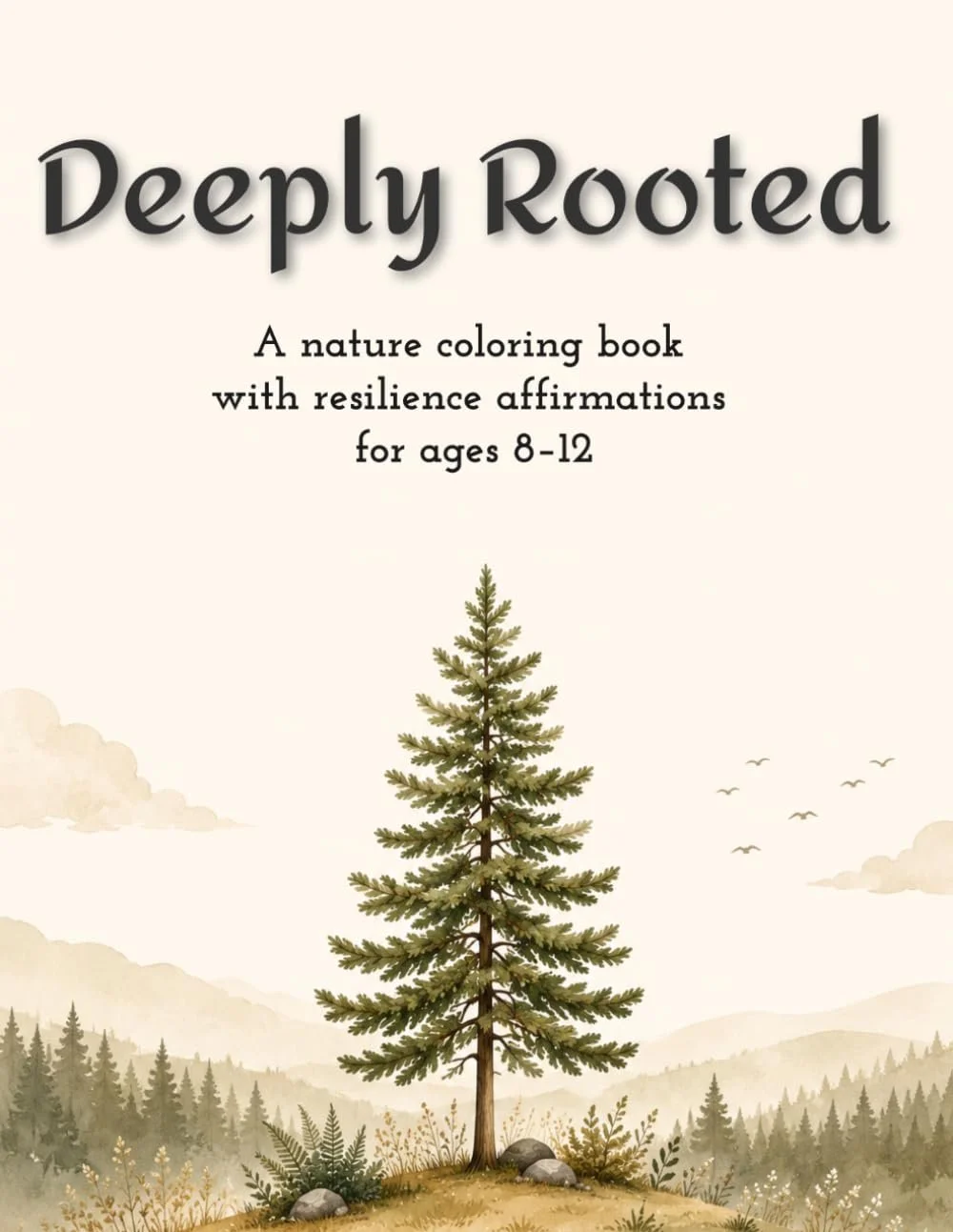
This artfully done coloring book encourages kids to bounce back from setbacks, learn from mistakes, and keep going when things don't go as planned. Each page features beautiful pictures of trees and an affirmation of resilience.
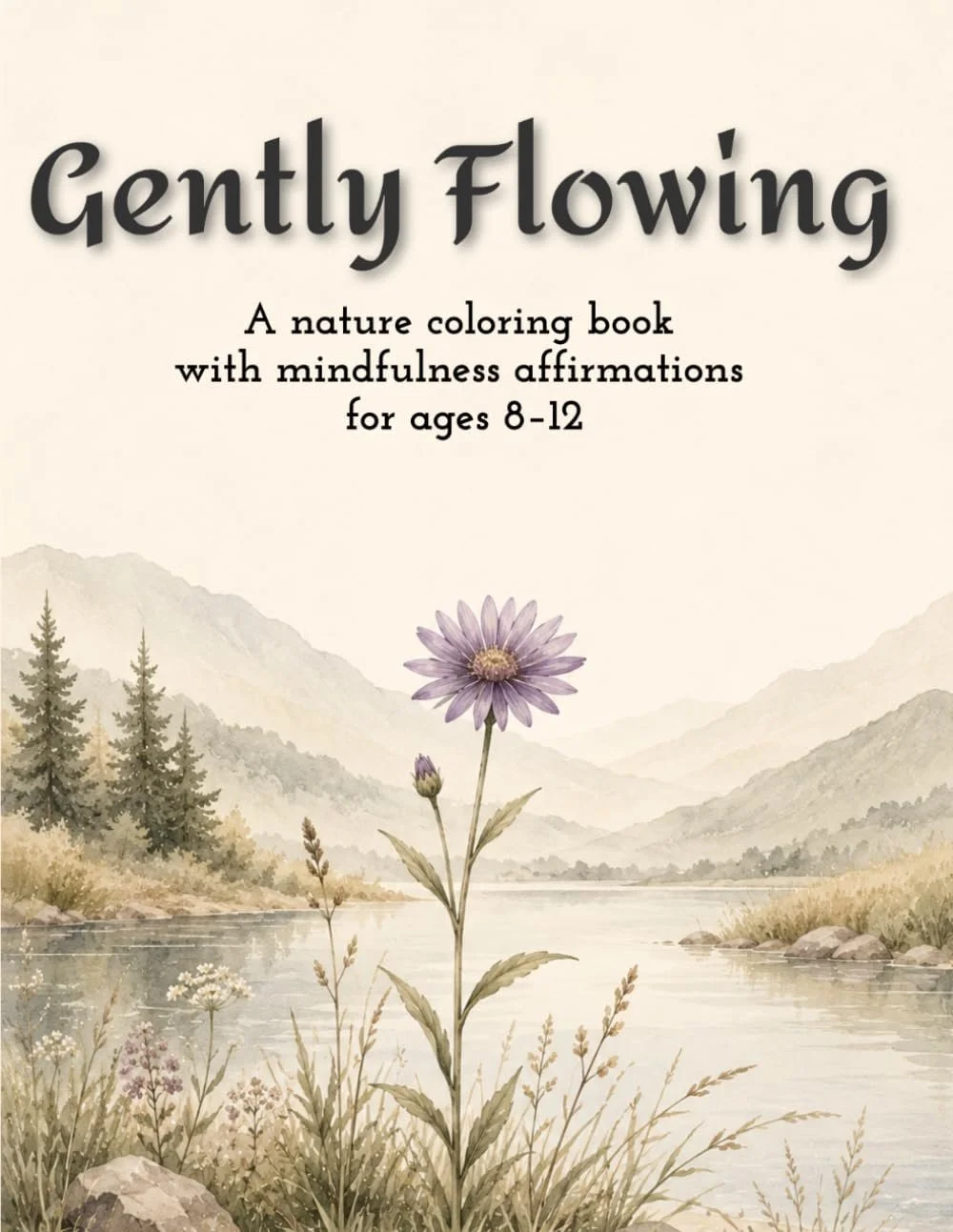
A stunning coloring book of water-based nature scenes (think lakes, waterfalls, rivers), that help your child navigate big feelings with confidence, calm, and self-awareness .Each page includes affirmations and a detailed nature picture.
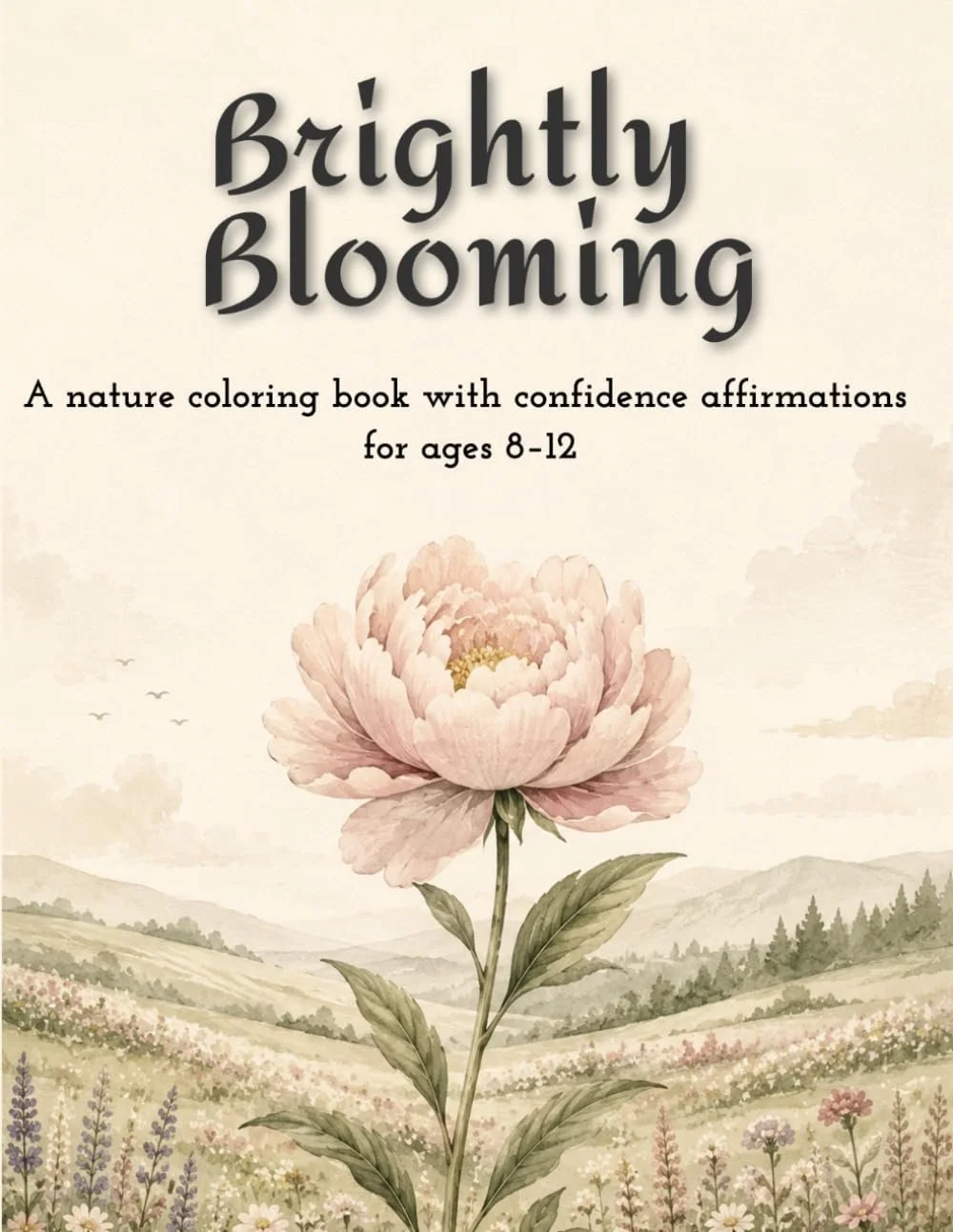
For older kids, this beautiful coloring cook helps children develop a healthy sense of self-belief by focusing on effort, growth, and trying things that feel challenging. Each page includes affirmations and a detailed nature picture.
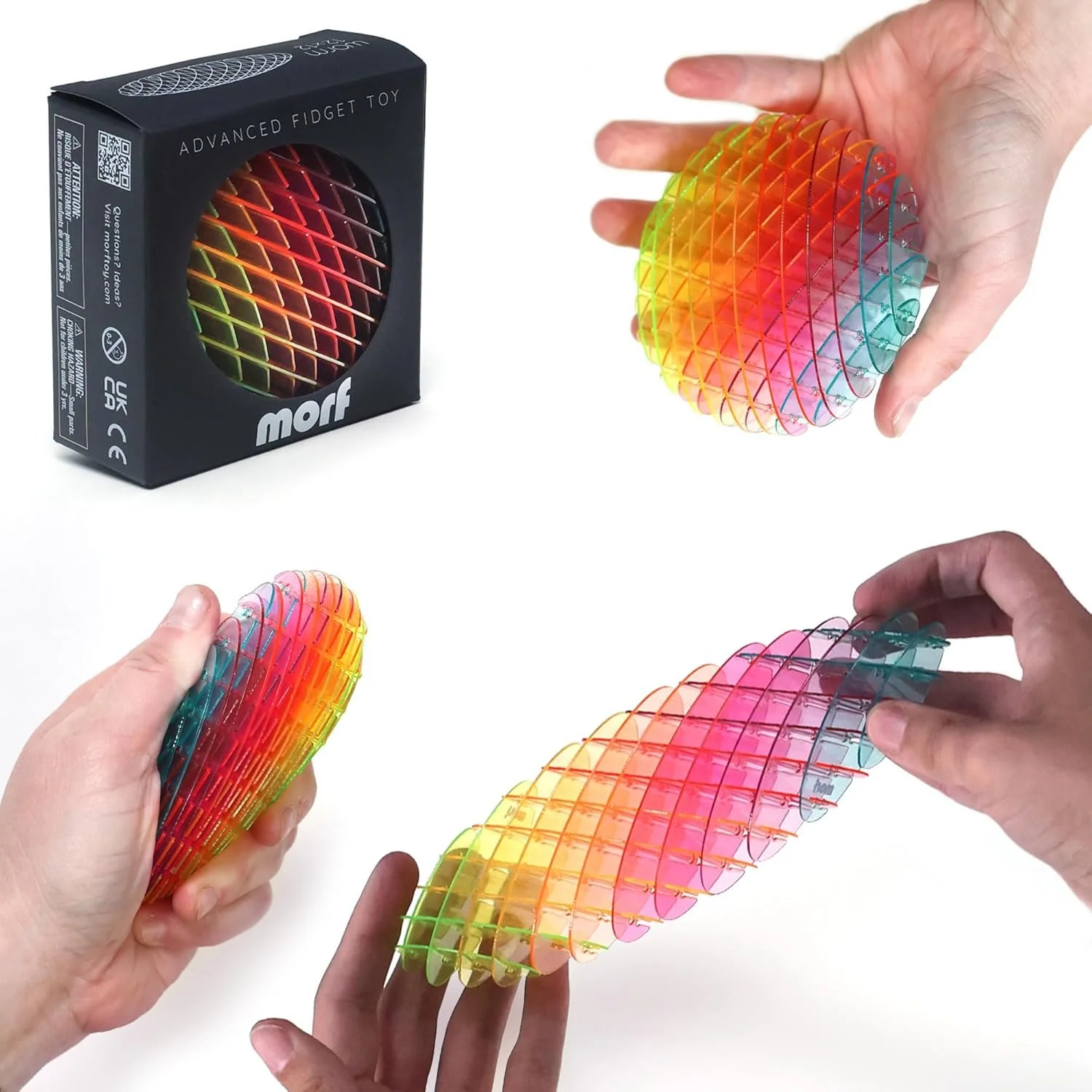
Some kids regulate attention and emotions better when their bodies stay lightly engaged. Fidgets can help reduce restlessness and create small sensory outlets during transitions, learning, or quiet time.
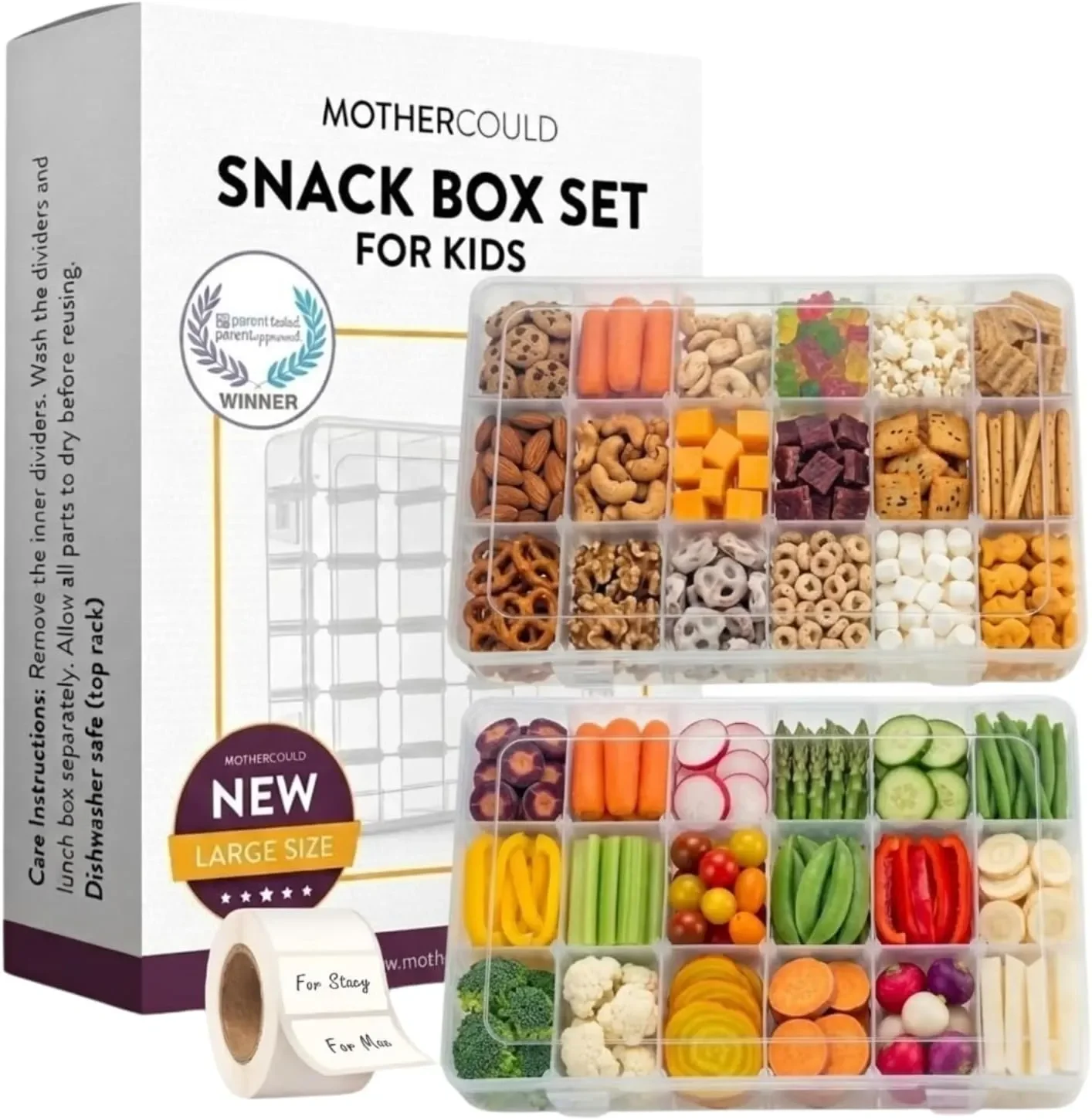
A surprising amount of dysregulation is really hunger, exhaustion, or blood sugar crashes showing up through behavior. Keeping easy snacks accessible on-the-go helps kids fuel themselves more consistently — reducing meltdowns, improving transitions, and supporting calmer rhythms throughout the day.
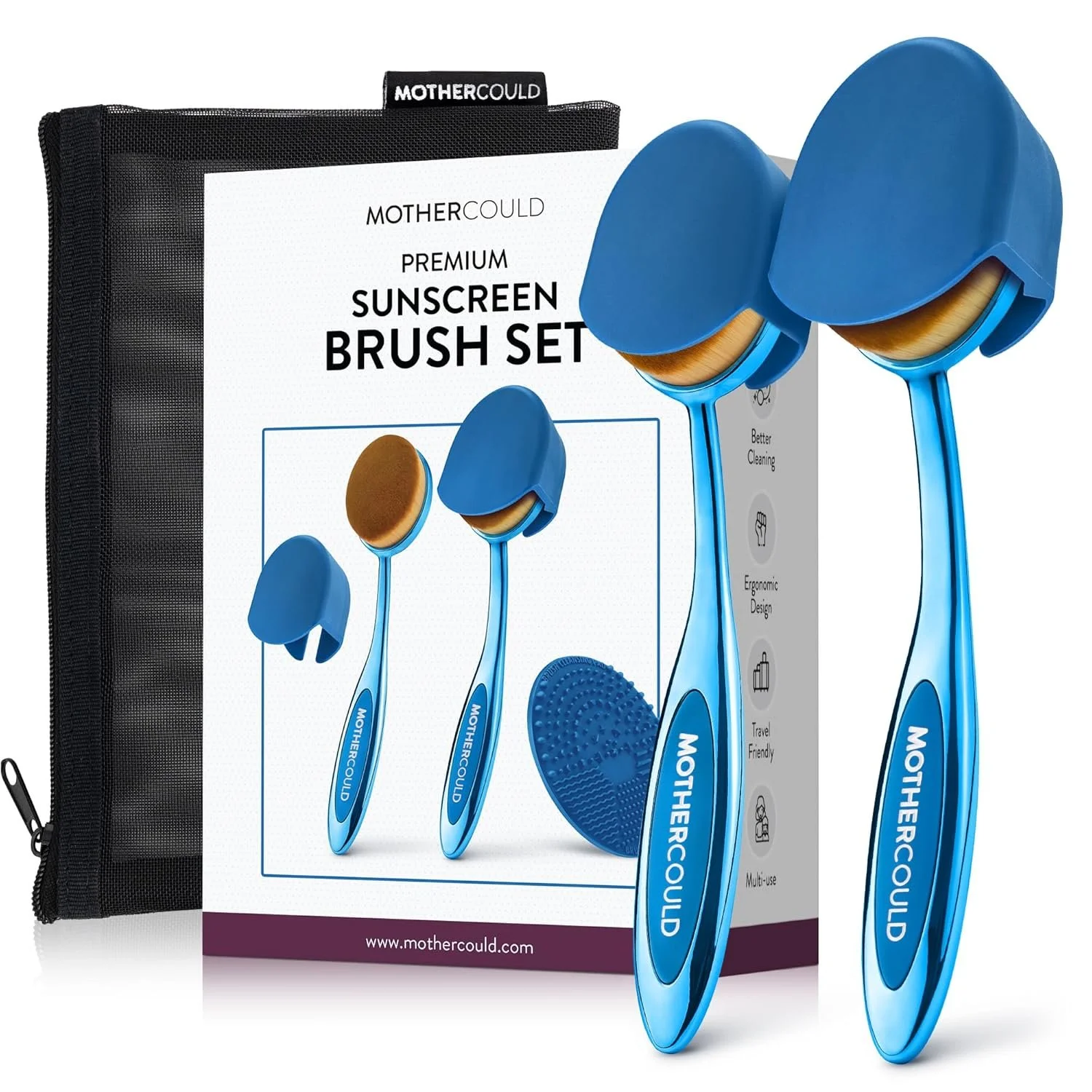
Kids build independence faster when they’re trusted with real responsibility in ways that still feel manageable. Sunscreen brushes make it easier for children to apply sunscreen themselves without slowing down outdoor play or needing constant adult help — reducing friction while quietly building capability, confidence, and ownership over caring for their own bodies.
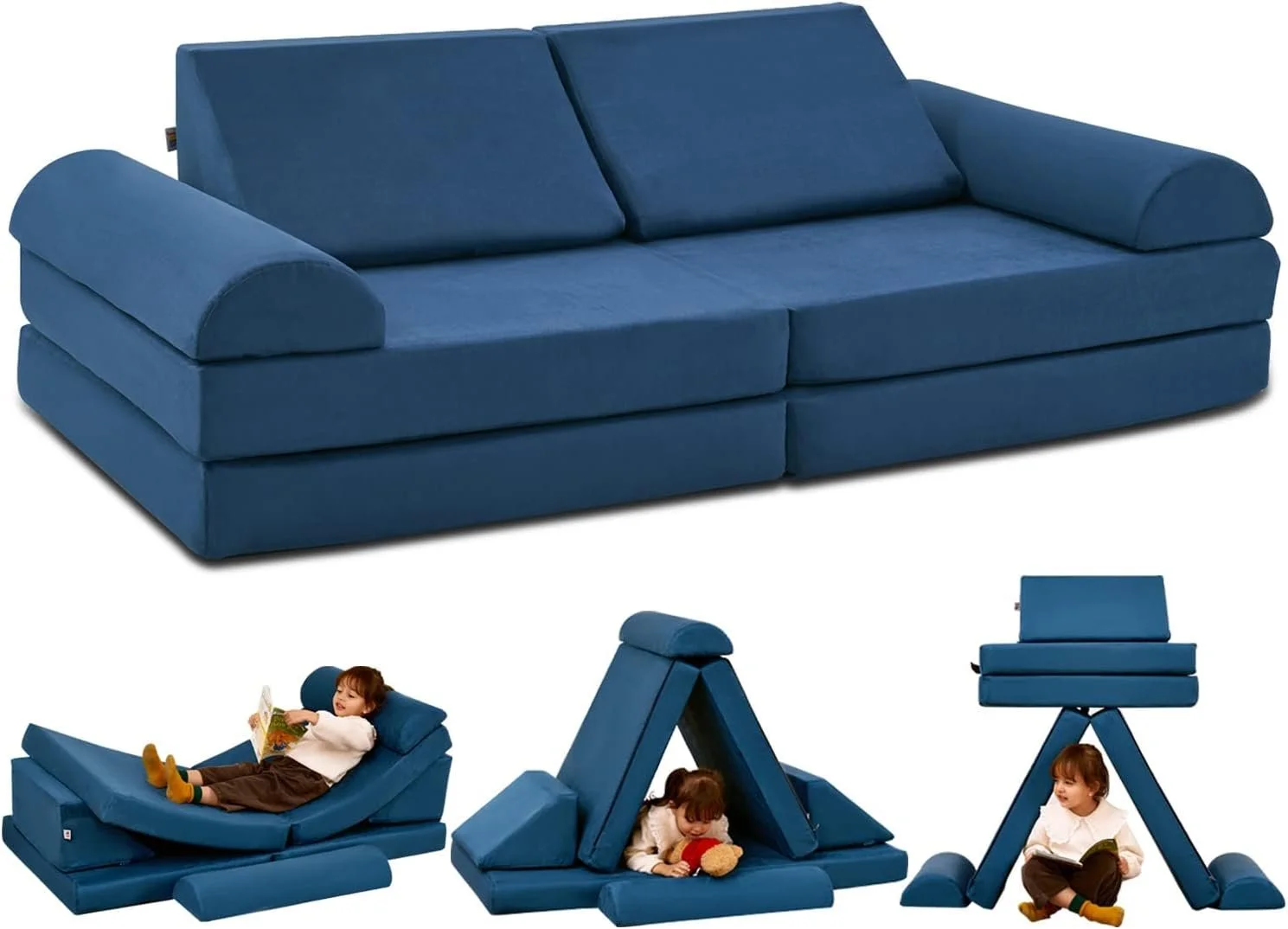
Children naturally seek movement, pressure, crashing, and cozy spaces when regulating their nervous systems. Flexible seating gives kids safe ways to decompress physically while also encouraging quiet play and creativity.
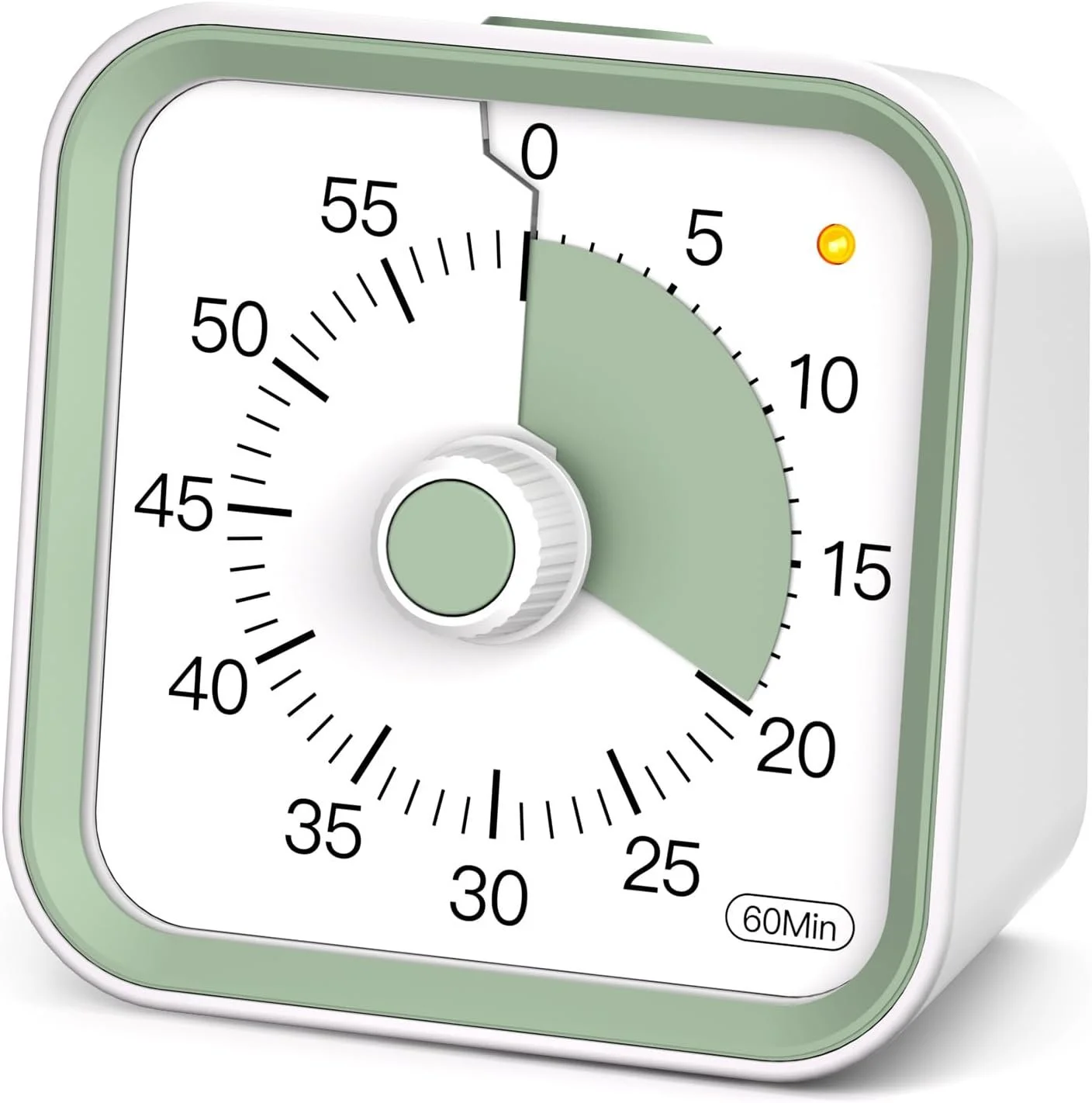
Many struggles around transitions aren’t really behavior problems — they’re predictability problems. Visual timers help externalize time so kids can prepare mentally for transitions without parents constantly acting as the reminder system.
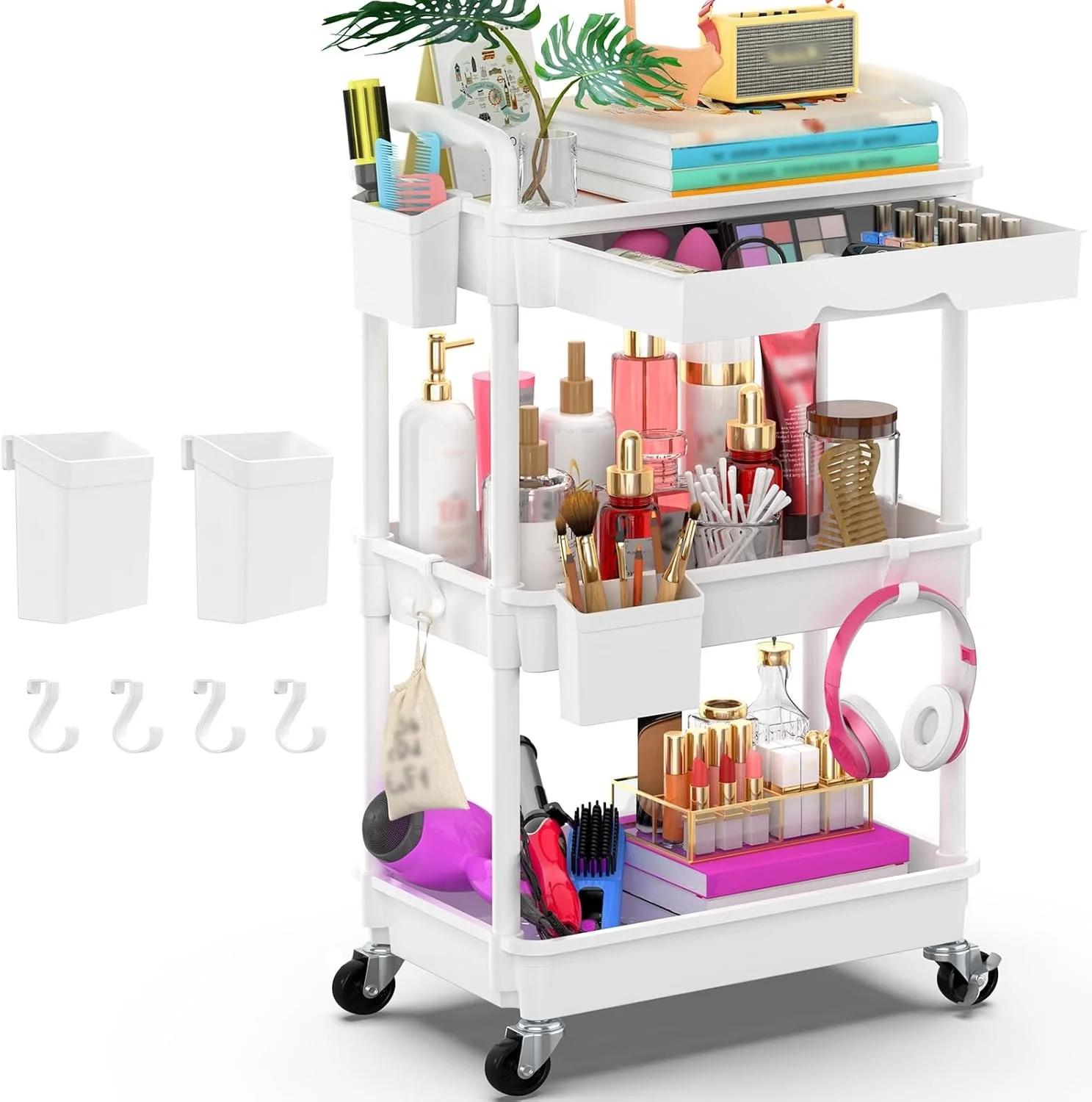
Creativity becomes a more natural default when kids don’t need adult help to begin. Reducing setup friction around art and quiet play encourages more independent engagement away from screens.

Sometimes regulation starts with reducing input. Headphones can help create small moments of quiet in otherwise overstimulating environments, especially for kids who become overwhelmed by noise quickly.
Analog Childhood
Screens often win because they’re the easiest option. These are the tools that help make real-world play feel more accessible, inviting, and friction-free.
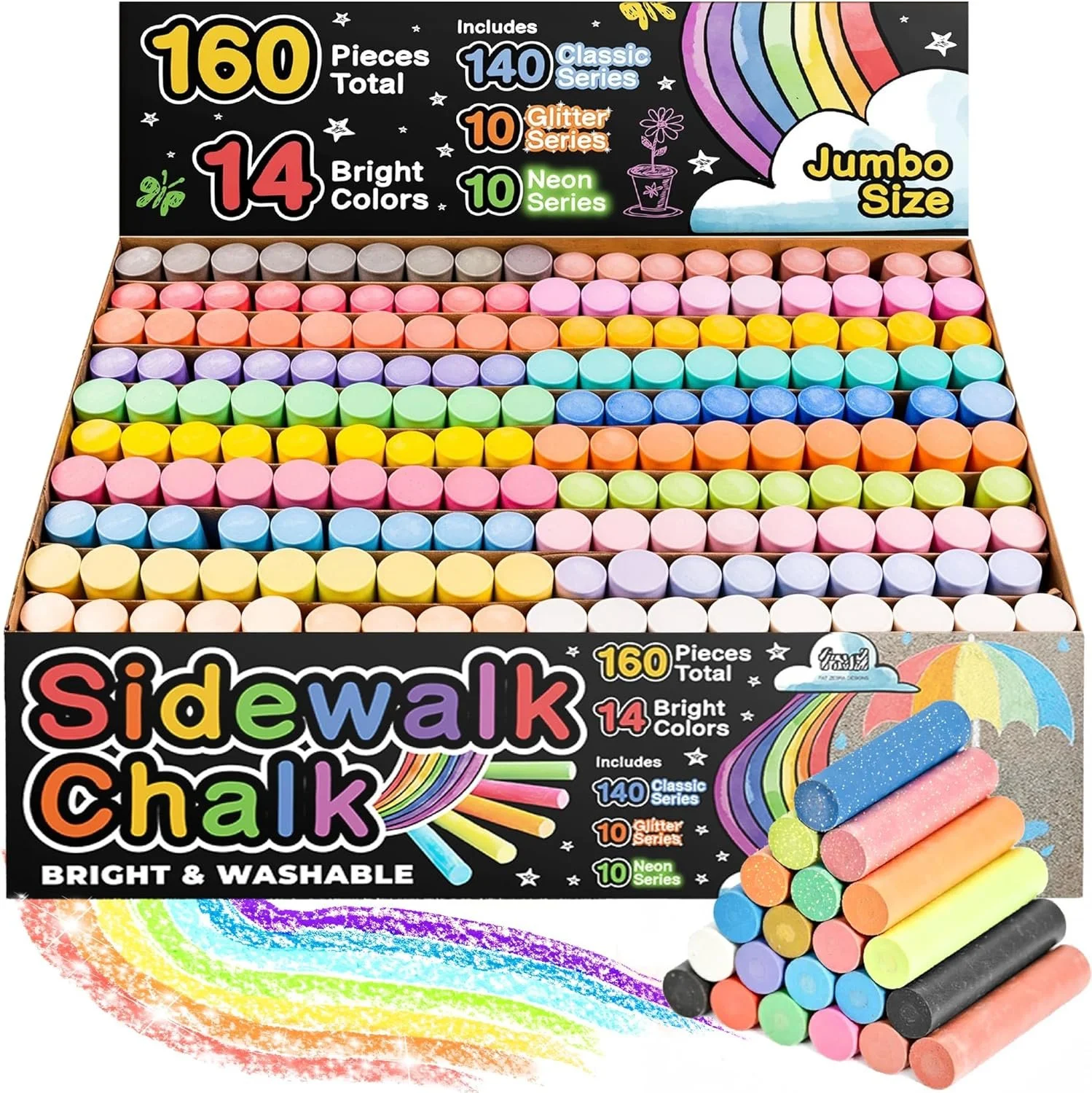
Simple, open-ended activities often sustain attention longer than highly structured toys. AND it sends a signal to other kids: we play outside here, come join us.
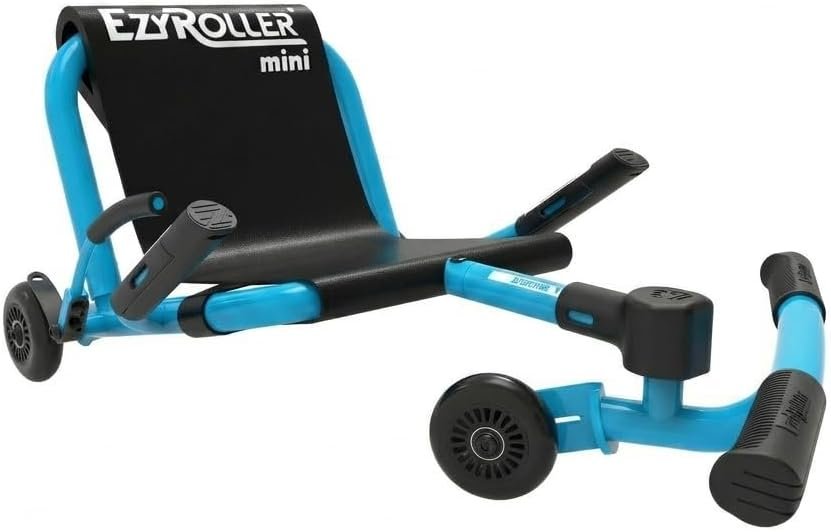
The best outdoor toys often aren’t the most complicated ones — they’re the ones kids can grab independently and use over and over again in different ways. Open-ended movement toys help make outdoor play feel easy, accessible, and naturally rewarding.
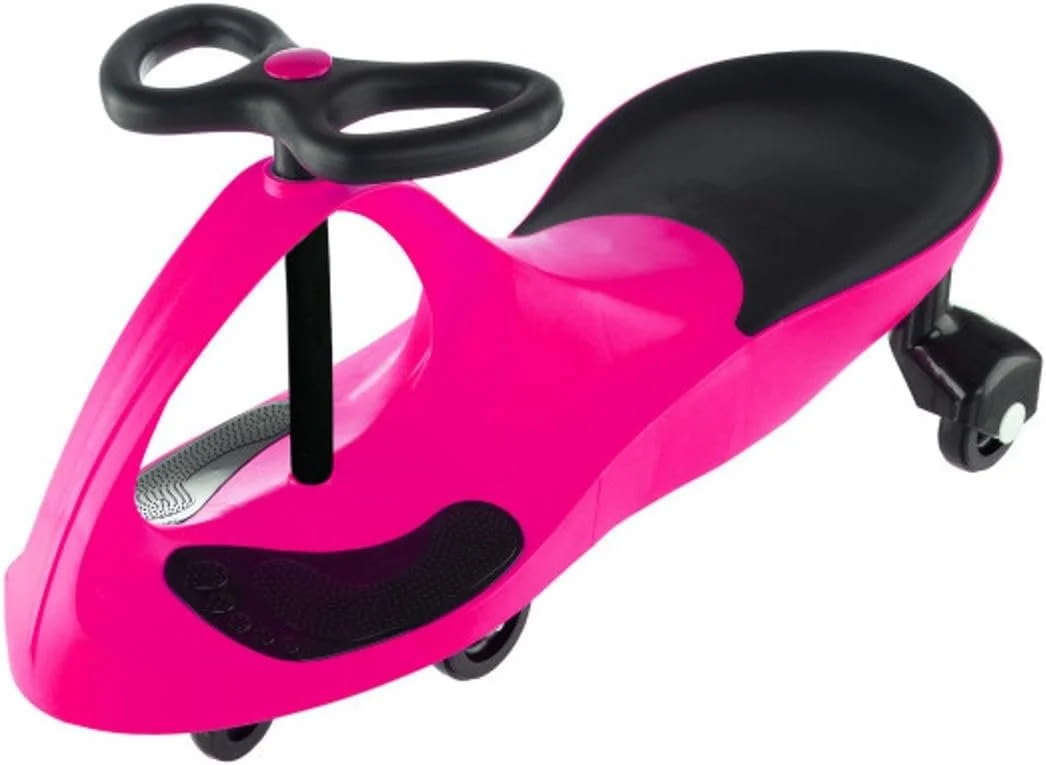
Movement changes the emotional rhythm of childhood. And riding toys become a year over year staple.
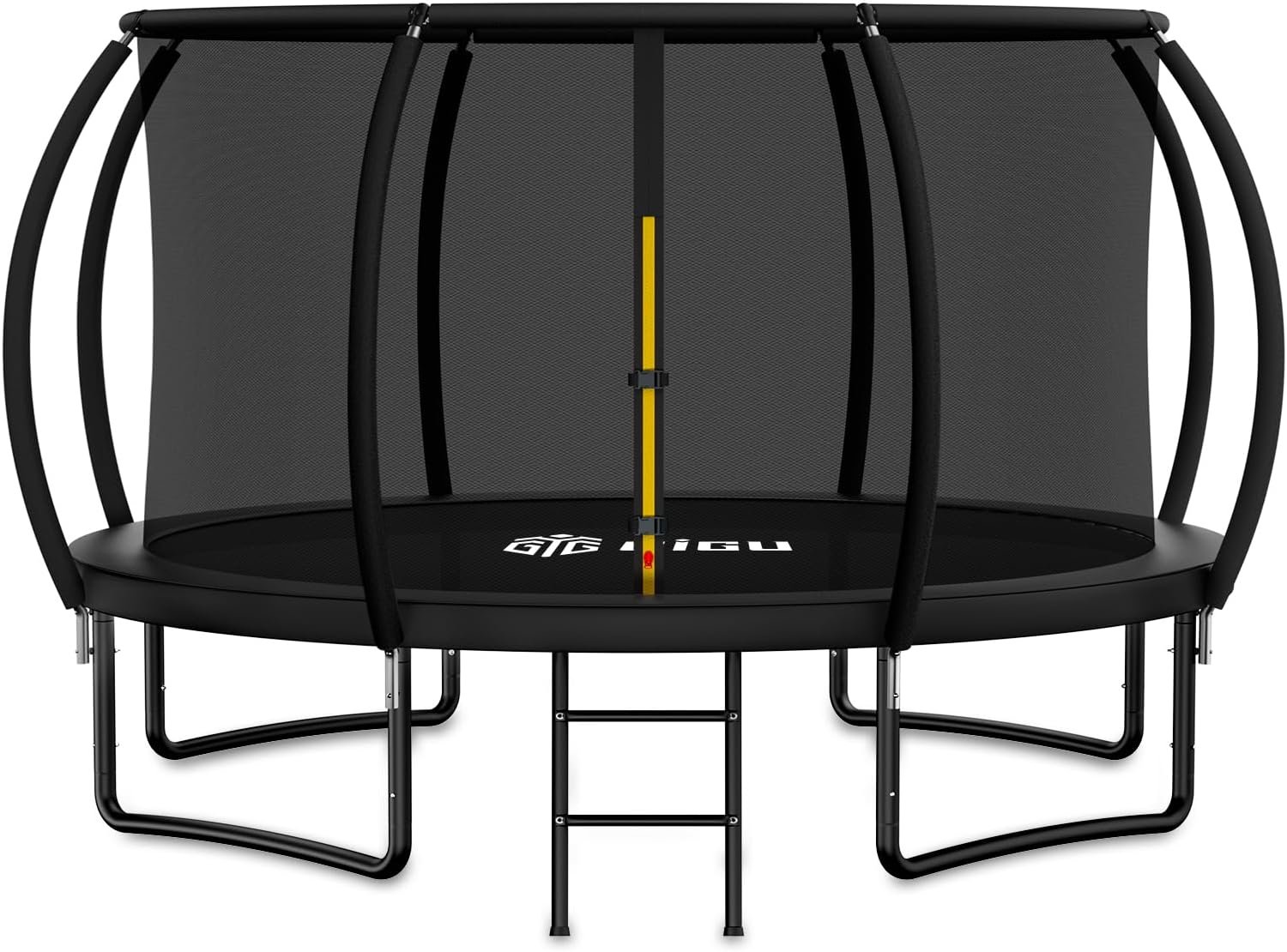
The highest utility "play purchase" we've made. A trampoline becomes more than entertainment over time — it turns into a built-in outlet for movement, social play, boredom recovery, and nervous system regulation.
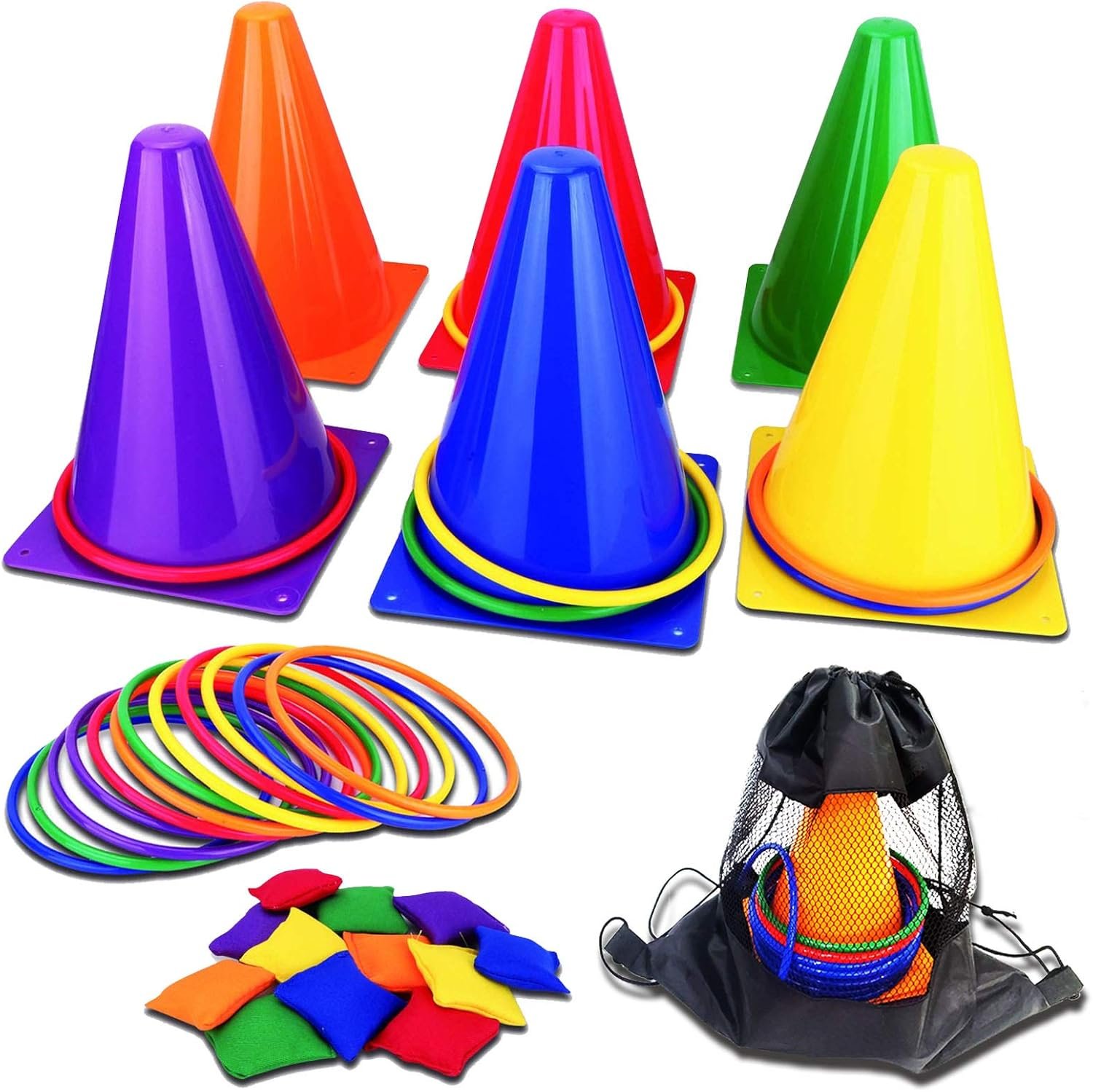
One of the easiest ways to reduce outdoor friction is simply making play visible and easy to start. Loose outdoor toys invite creativity, obstacle courses, games, movement, and collaboration — often without adults needing to organize the activity themselves.
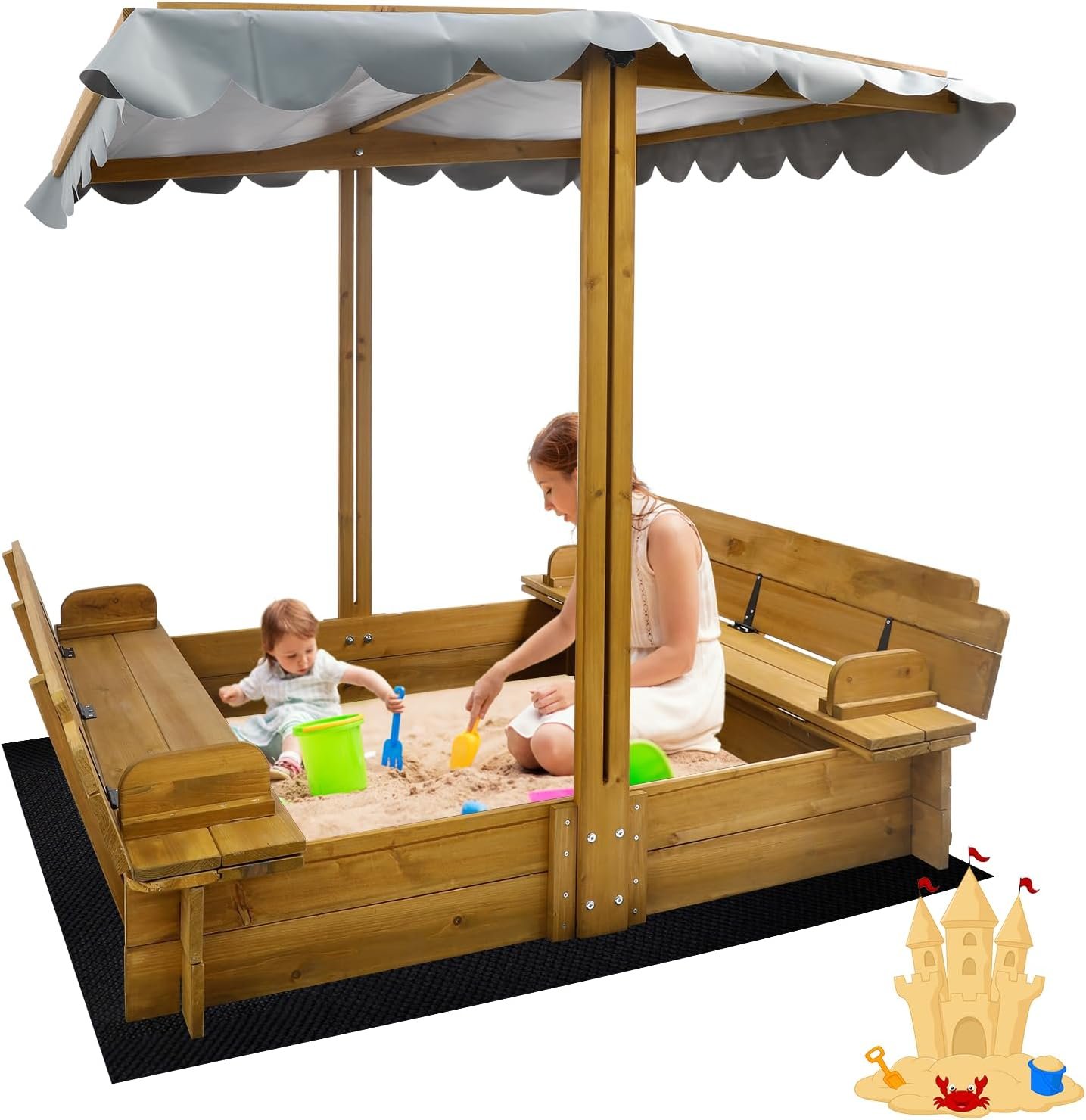
Open-ended play matters because it slows kids down enough to engage their imagination again. Sandboxes create the kind of unstructured, low-pressure play that modern childhood increasingly leaves less room for.
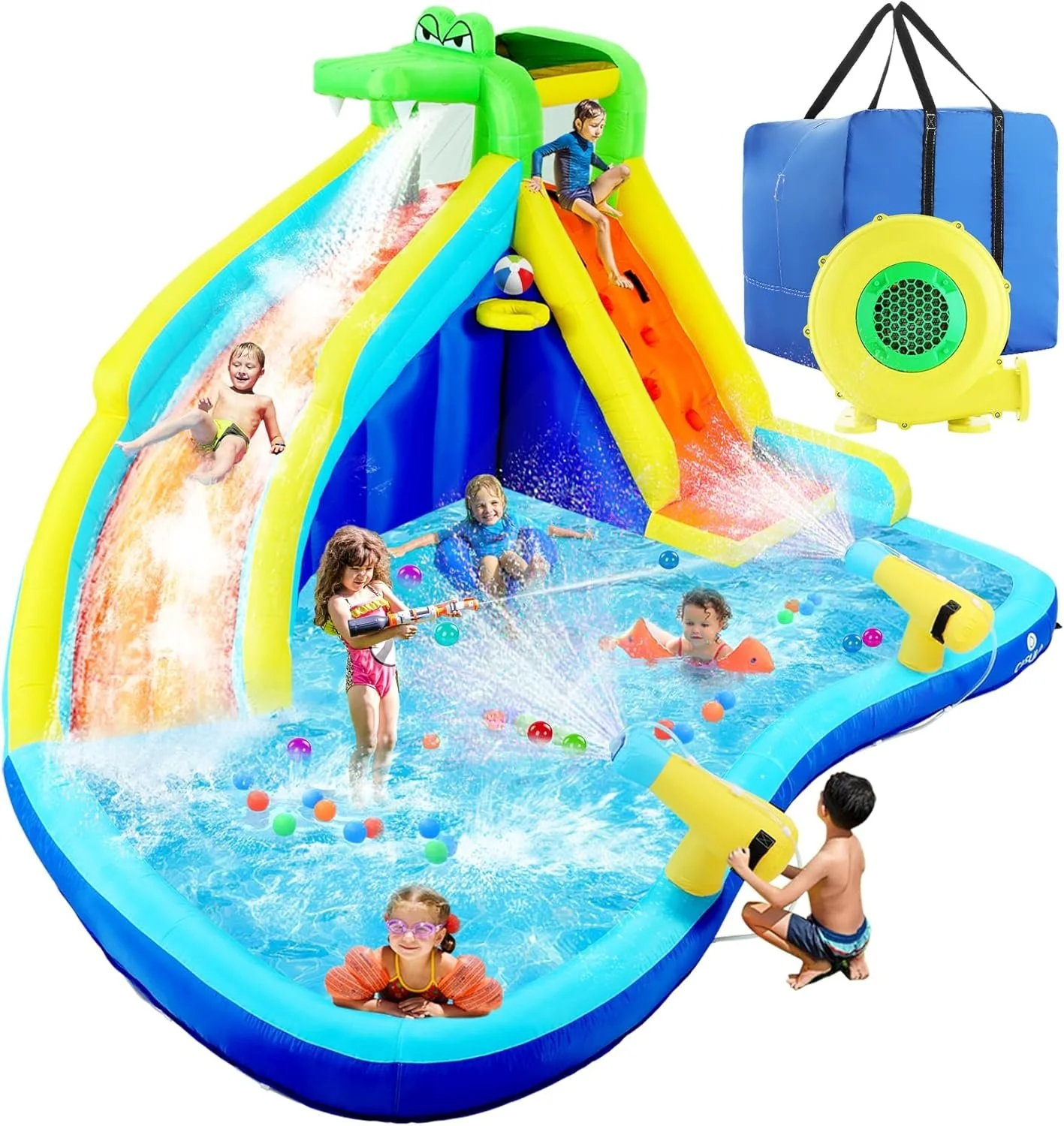
Sometimes the best way to encourage outdoor childhood is simply making outside more exciting than the screen waiting inside. Novelty, movement, and shared play naturally pull kids together — and high-energy outdoor setups often become neighborhood magnets that keep kids engaged outside for hours.
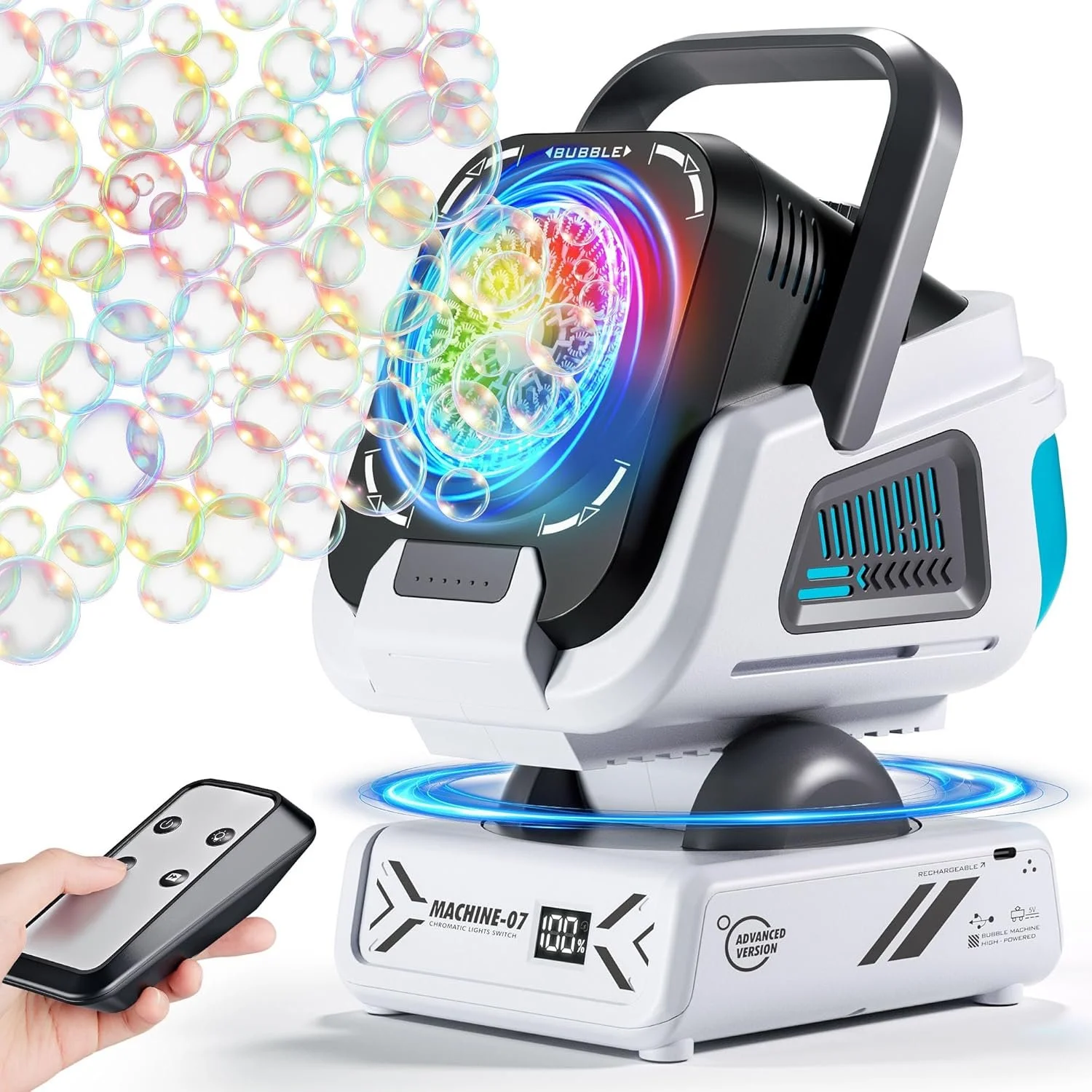
Tiny environmental invitations can dramatically increase outdoor engagement.
Connection
Connection rarely comes from big complicated moments. More often, it grows through small repeated rhythms that make people feel noticed, welcomed, and remembered.
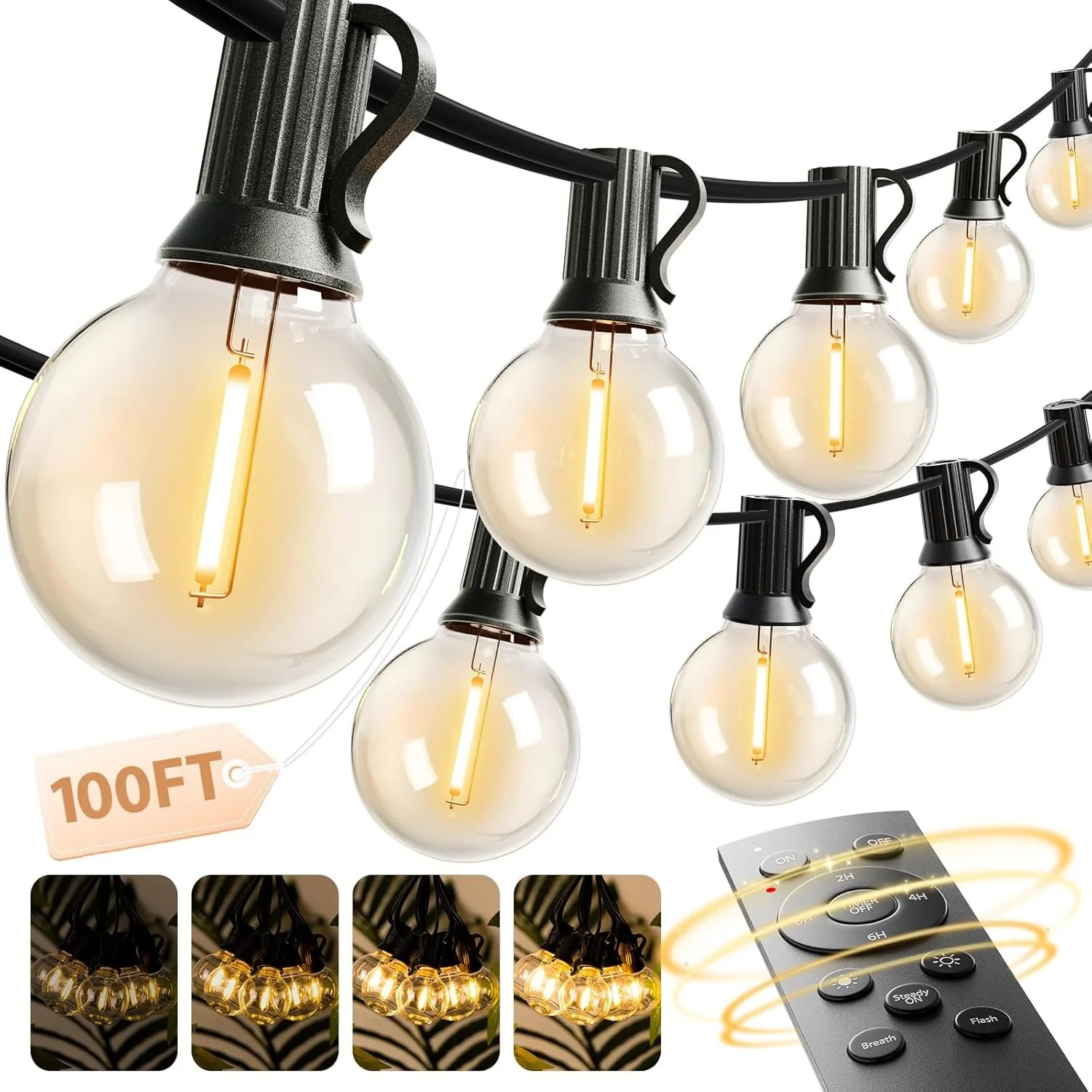
Outdoor connection happens more naturally when the environment feels inviting enough to linger in. String lights quietly change the emotional tone of a backyard — making evening conversations, neighborhood gatherings, and slow summer nights feel easier and more memorable without requiring elaborate planning.
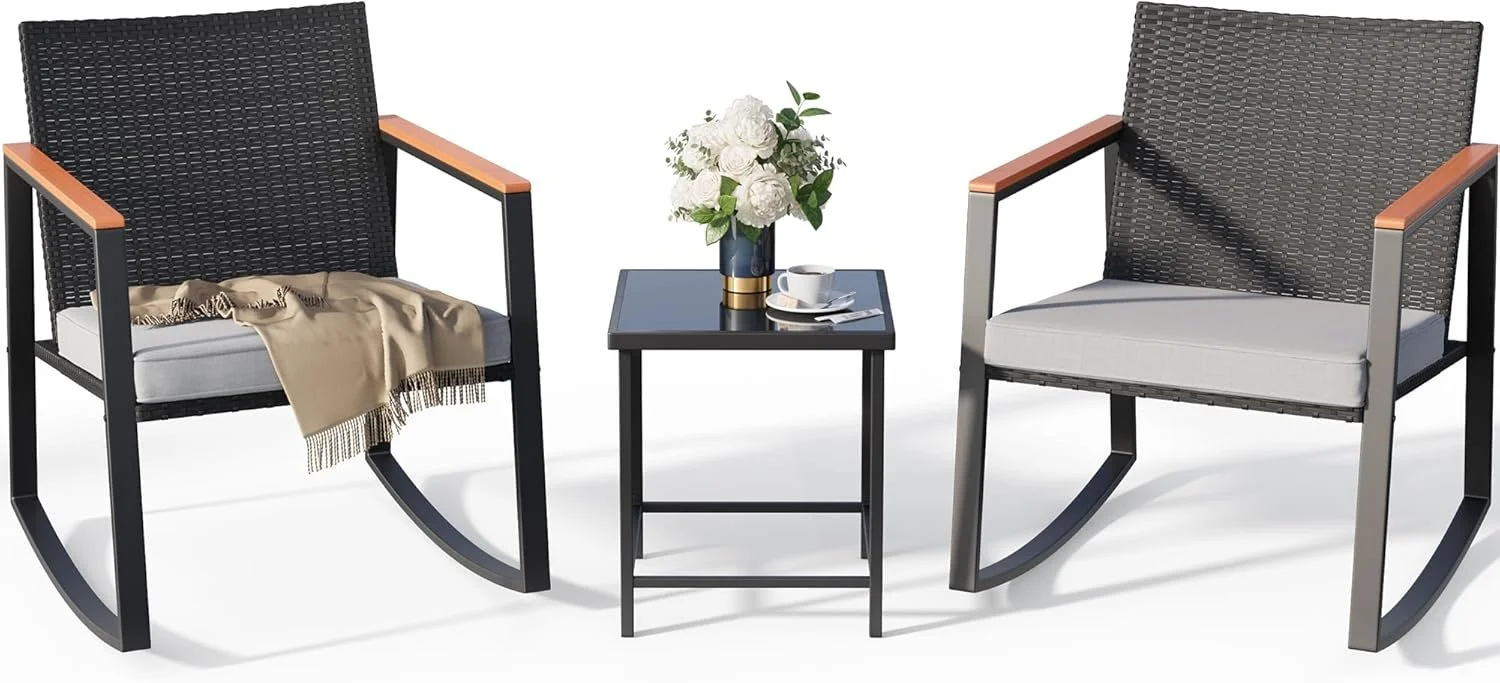
Kids stay outside longer when adults actually want to be outside too. Comfortable patio seating lowers the friction for parents to linger, connect, supervise casually, and create the kind of relaxed outdoor presence that helps neighborhood and family rhythms grow more naturally.
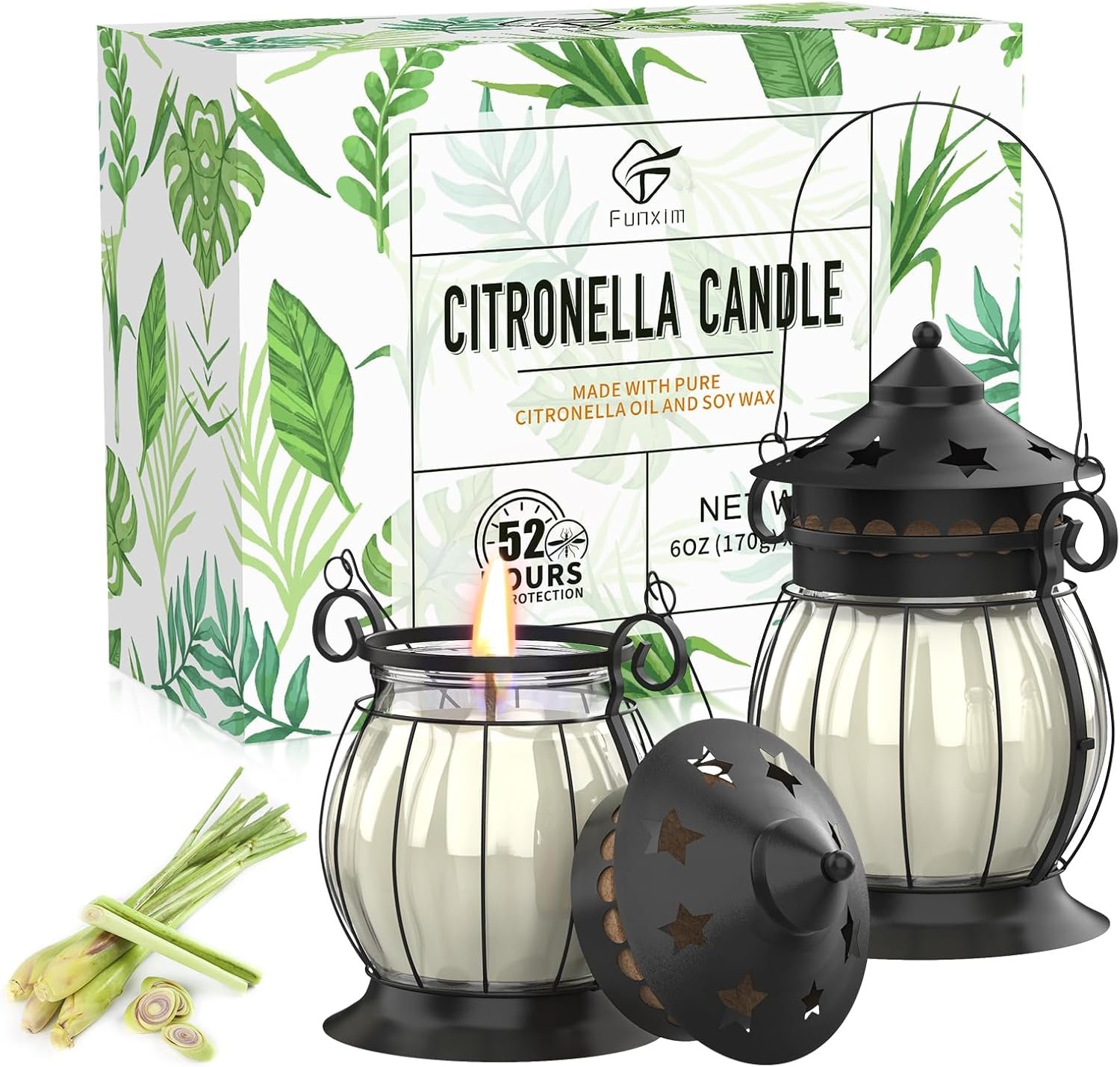
Sometimes outdoor play doesn’t end because kids are done playing — it ends because the environment becomes uncomfortable. Simple things like citronella candles help reduce the small frictions that quietly pull families back inside, making it easier for connection, movement, and outdoor rhythms to last longer naturally.

Connection often grows fastest when it’s attached to simple, repeatable rhythms. An outdoor screen turns an ordinary evening into an easy family tradition — movie nights, shared shows, or even neighborhood sports watching — creating low-effort moments that naturally bring people together and build a sense of community over time.
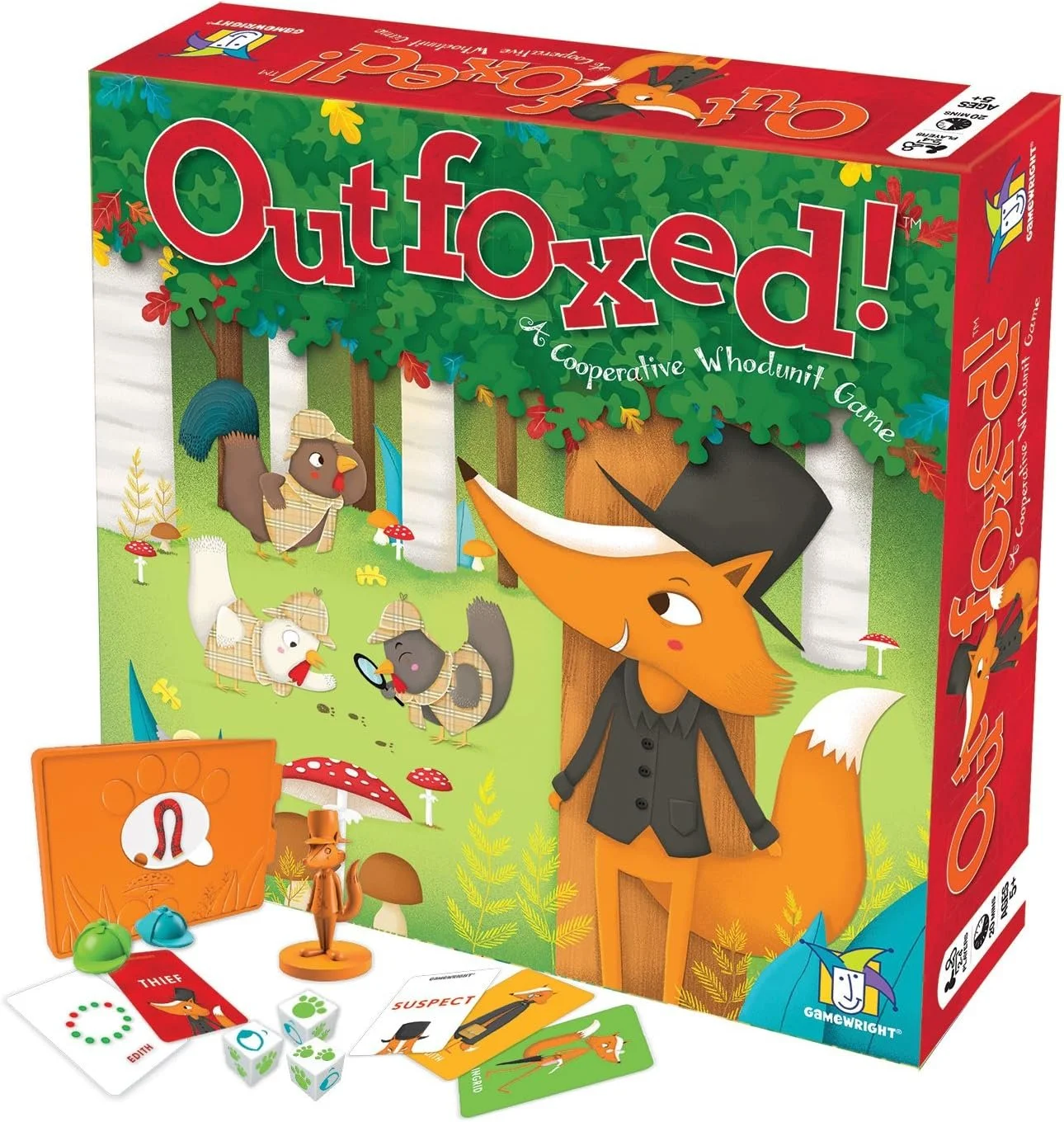
Board games create something modern family life often struggles to hold onto for long: shared attention. They naturally bring people together around conversation, collaboration, patience, turn-taking, and problem-solving — helping kids practice important social and emotional skills while also building the kind of connection that grows through repeated time together.
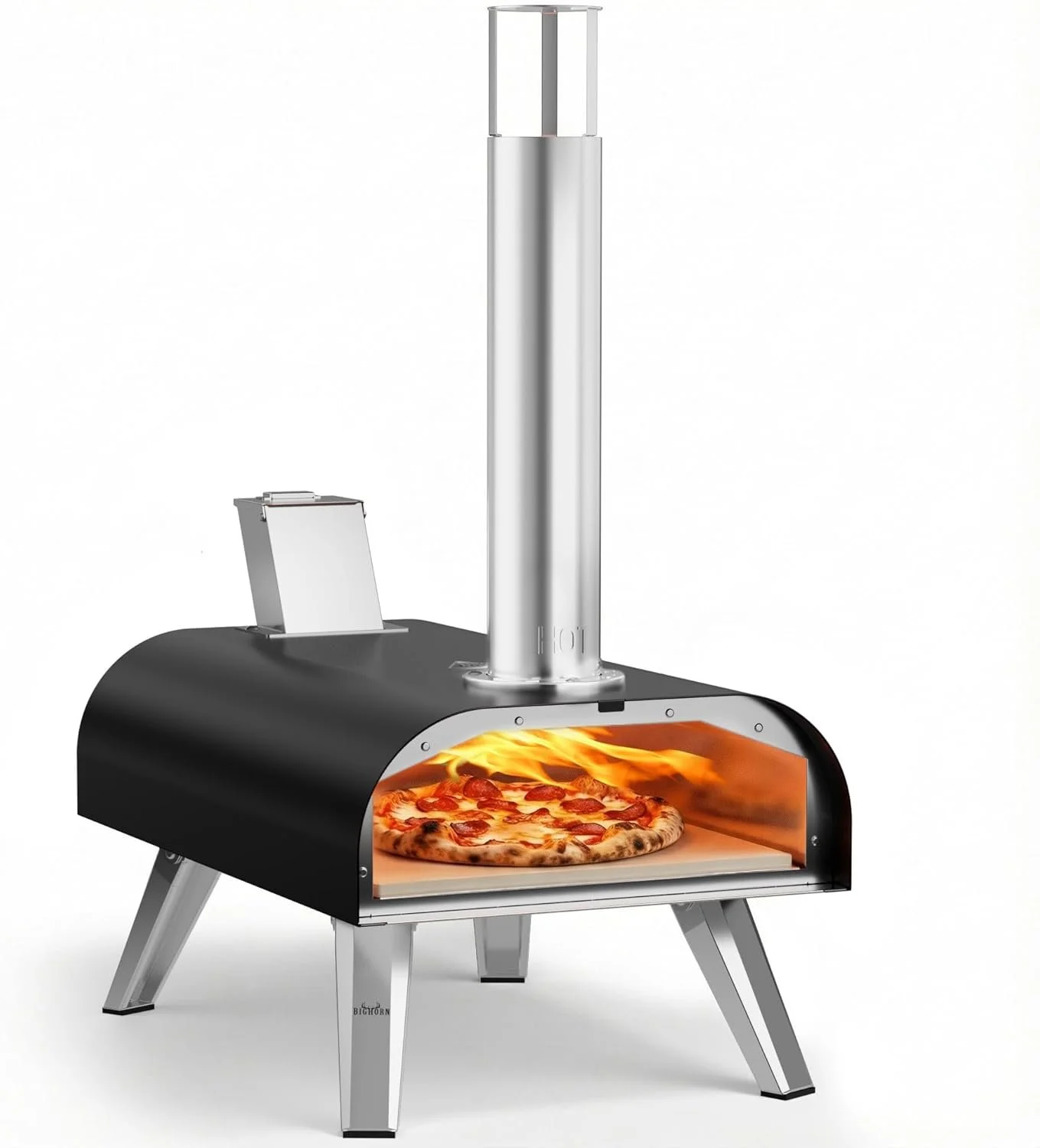
Some of the strongest family traditions are built around environments that naturally invite people to gather and linger. An outdoor pizza oven turns dinner into an experience instead of just another task — creating easy opportunities for shared meals, conversation, neighborhood connection, and repeated rituals kids begin to associate with home, belonging, and time together.
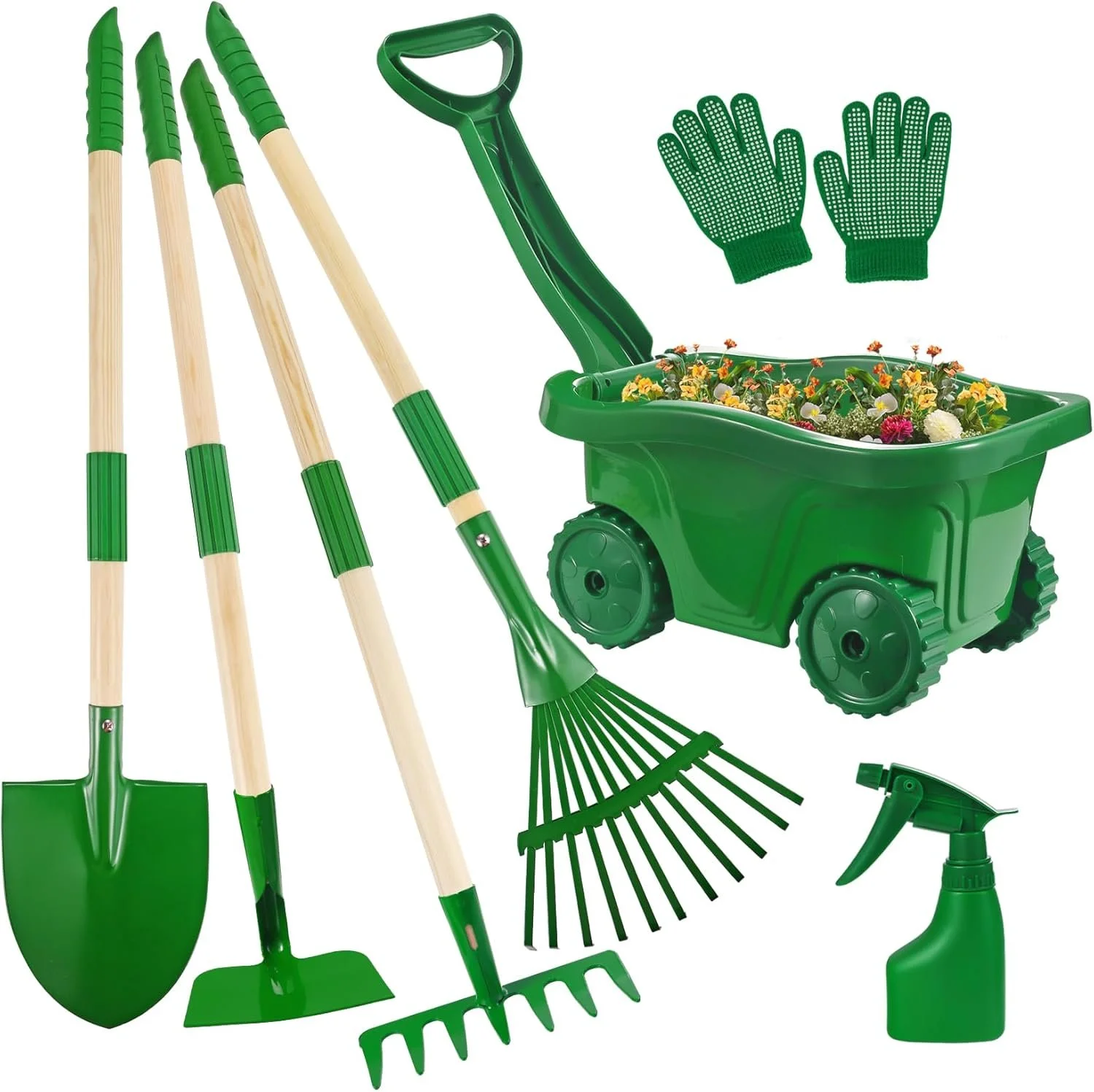
Gardening slows families down long enough to notice, nurture, and participate in the world together. It gives kids a shared responsibility alongside adults while also helping them build a deeper connection to their home environment — learning that they can care for, contribute to, and help shape the spaces they live in.
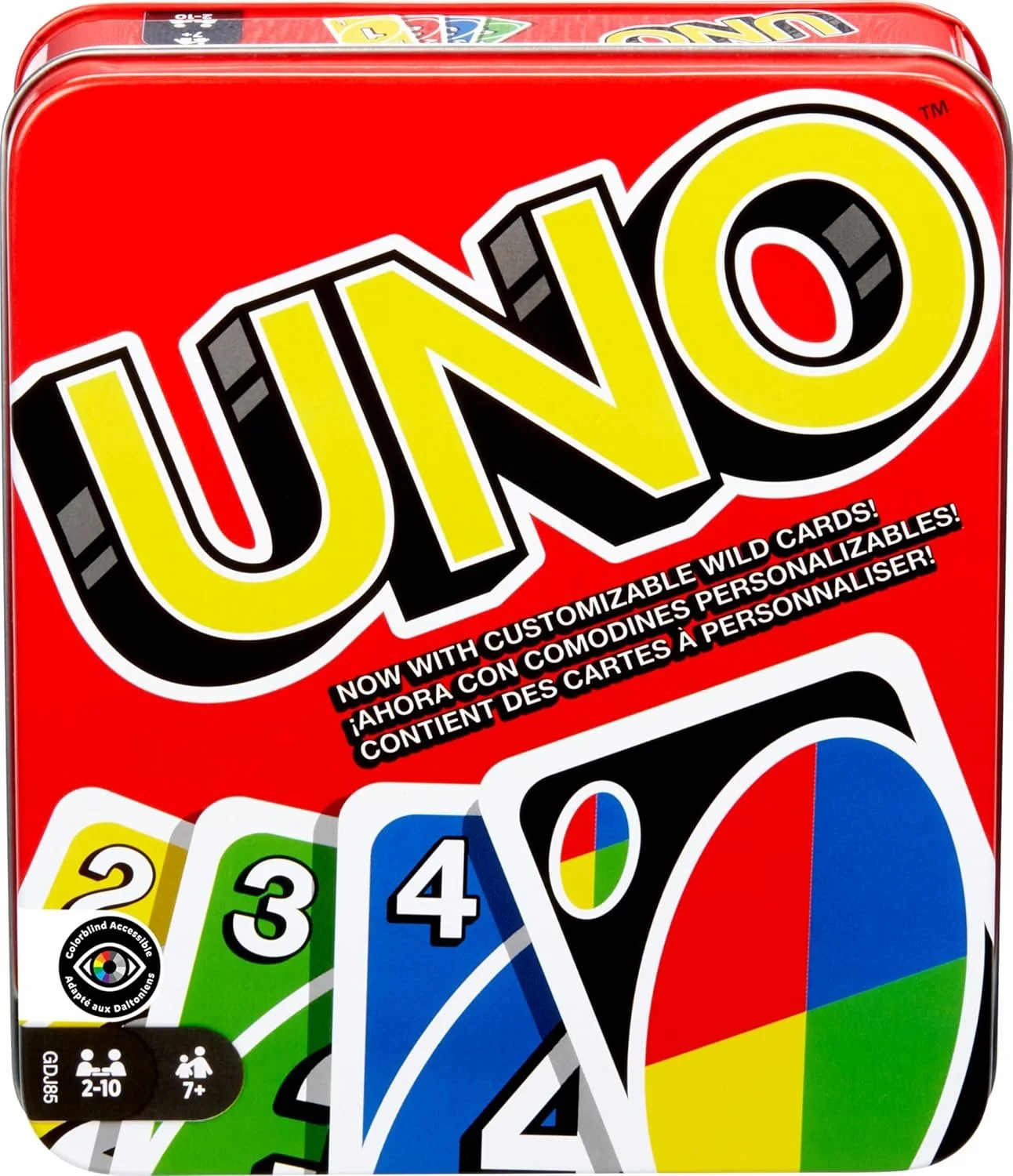
Connection grows more naturally when interaction feels playful instead of forced. Simple games like UNO create shared attention, laughter, conversation, and low-pressure time together — helping families build connection through repeated moments that are easy to start and easy to return to again and again.
Note: I may receive a small commission from the affiliate links.