Color Me Efficient: Scaling the Simplest Kid Activity
Coloring is one of those parenting “base layer” activities.
Low setup. Low friction. High return.
The supplies are usually already somewhere in your house. It works across ages. It buys you a quiet reset.
But here’s the thing: kids rarely get bored of coloring itself.
They get bored of the routine around it.
Same markers. Same table. Same directions. Same outcome.
The trick is not replacing coloring with something more elaborate. It’s scaling the same simple foundation into new experiences.
That’s systems thinking for parenting:
keep the infrastructure,
change the variables.
And coloring is perfect for this.
Research consistently shows coloring helps develop fine motor skills, hand-eye coordination, focus, emotional expression, and creativity in children. Studies have also linked coloring activities to improved pencil control and early writing readiness.
So instead of abandoning coloring when kids lose interest, try upgrading the constraints.
10 ways to make coloring interesting again
1. The “eyes closed” color challenge
Close your eyes.
Pick 3–5 colors.
Those are the only colors you can use.
Immediately, the activity becomes creative problem-solving instead of routine coloring.
Purple grass?
Orange ocean?
Perfect.
Kids love arbitrary rules.
2. Change the location, not the activity
Put places in a hat:
kitchen
backyard
bathtub
under the table
bedroom floor
front porch
Draw one.
Same coloring pages.
Completely different experience.
Children often crave novelty more than complexity.
3. Opposite-hand coloring
Color with your non-dominant hand.
It slows kids down instantly and makes coloring feel hilariously difficult in the best way.
Unexpected bonus:
it naturally reduces perfectionism because everyone suddenly becomes “bad” at coloring again.
4. Emotion coloring
Color the picture as:
angry
silly
calm
excited
sleepy
jealous
brave
This is such an easy emotional intelligence exercise because kids stop focusing on realism and start focusing on interpretation.
“What colors feel nervous?”
“What does excitement look like?”
That’s abstract thinking disguised as crayons.
5. Family art gallery night
Tape everyone’s coloring pages on the wall.
Walk around like it’s a museum.
Use fancy art critic voices.
Serve snacks.
You’d be shocked how motivating it becomes when kids know their work will be “displayed.”
Children don’t just love creating.
They love having their creations noticed.
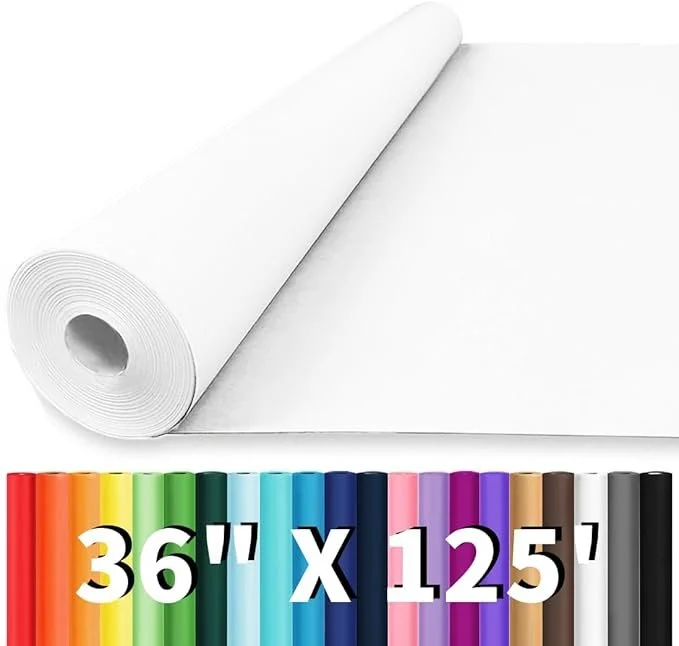
6. Giant-scale coloring
Most coloring happens on tiny pages.
Scale changes everything.
Try:
coloring rolls
butcher paper
taped-together printer paper
cardboard boxes
Big spaces invite movement, collaboration, and imagination.
7. Coloring story mode
Before coloring, ask:
“What happened right before this picture?”
“What happens after?”
Now coloring becomes narrative play.
A dinosaur page becomes an entire world.
8. Music-based coloring
Put on:
jazz
movie soundtracks
silly dance music
classical music
Then color to match the music.
Kids naturally start experimenting differently depending on what they hear.
Fast music creates bold coloring.
Calm music creates detail work.
9. Collaborative coloring
One page.
Multiple people.
Switch every minute.
It removes ownership in a really healthy way and teaches flexibility:
someone else may color your tree blue.
You survive.
10. “Only one tool” coloring
Use:
only dots
only stripes
only circles
only two colors
only crayons
only markers
Constraints create creativity.
Adults forget this constantly.
Kids naturally understand it.
The real reason simple activities matter
Coloring is easy to dismiss because it’s ordinary.
But ordinary activities are where family culture actually lives.
Not in elaborate Pinterest setups.
Not in expensive experiences.
In repeatable rhythms.
A box of markers on the kitchen table says:
you are allowed to create here.
And honestly, in a world optimized for passive entertainment, there’s something incredibly valuable about giving children activities where they generate the stimulation.
No flashing lights.
No algorithm.
No battery percentage.
Just imagination and a handful of crayons.
A few “always-have-on-hand” coloring supplies
You do not need a craft room for this.
Just a few reliable supplies that reduce friction.
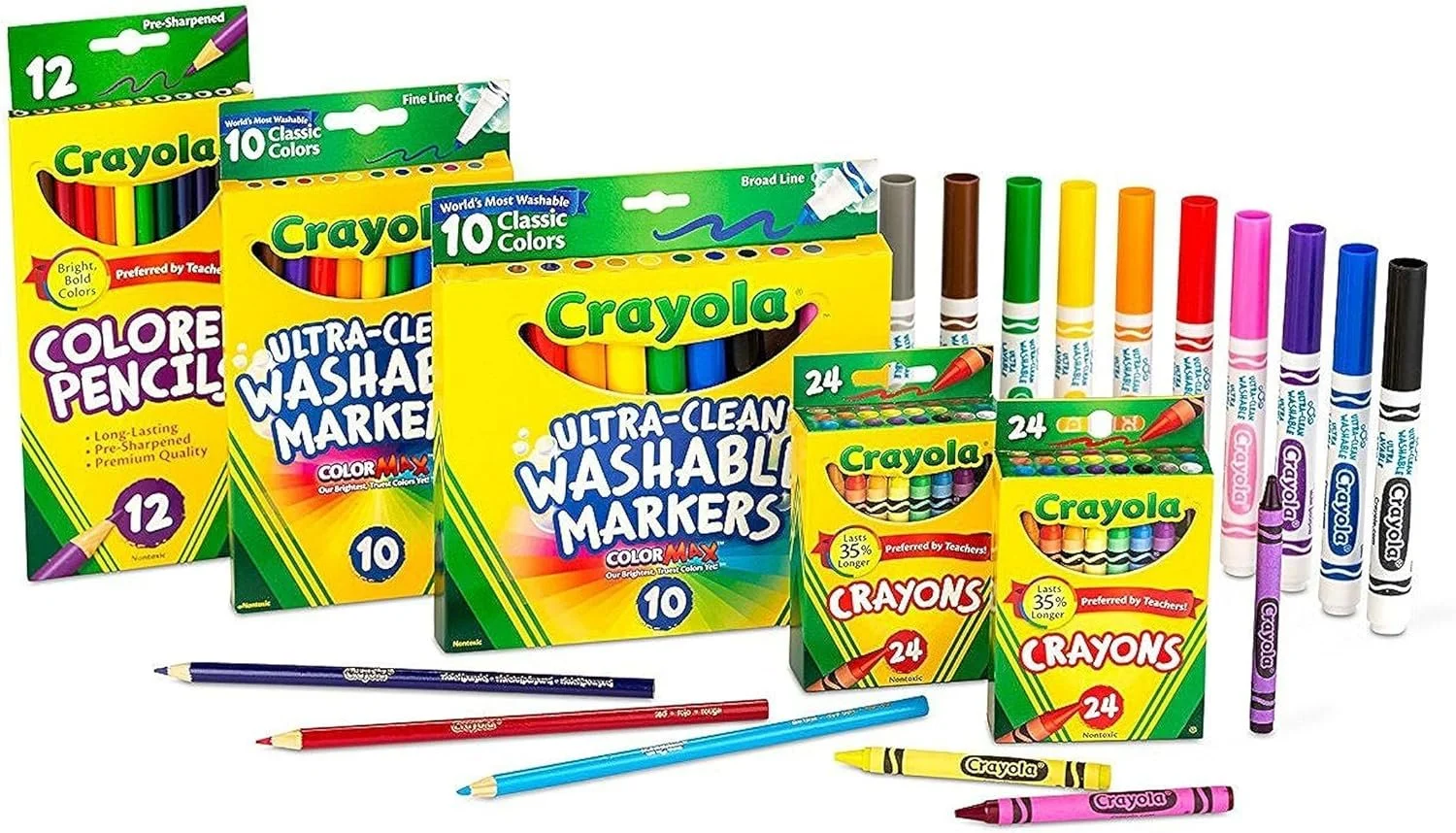
For the basics: Washable markers, crayons, and colored pencils bundle
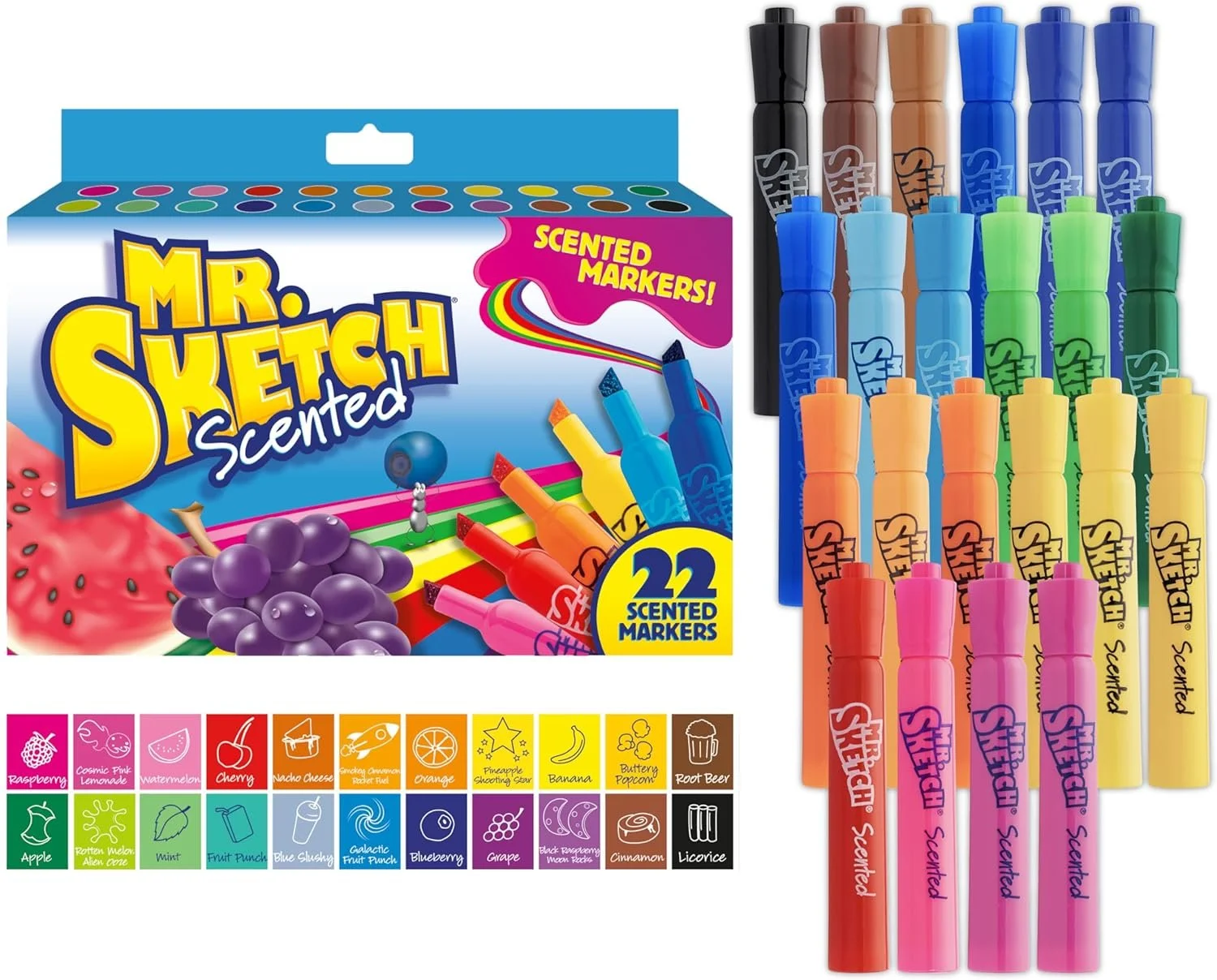
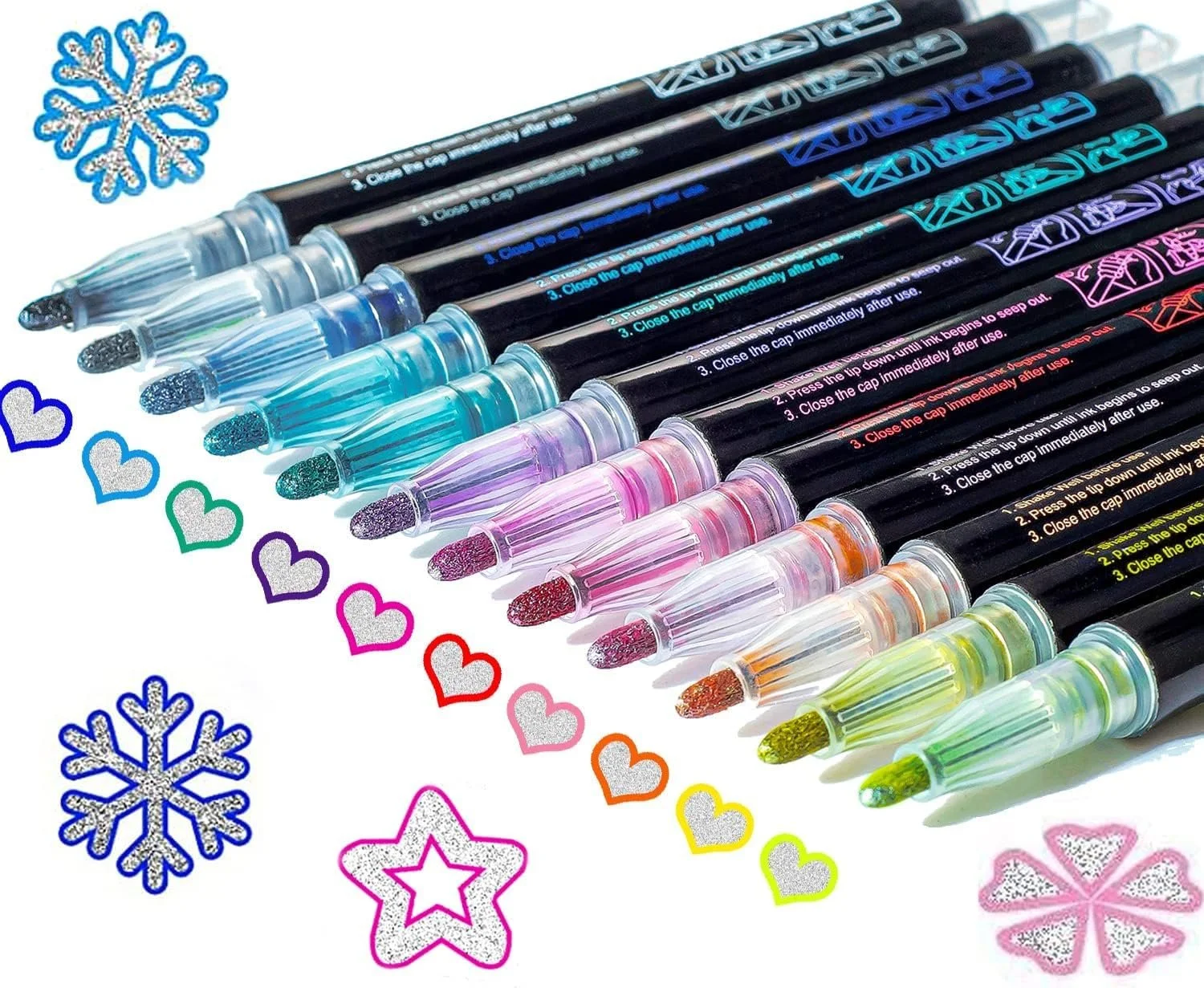
For fun “upgrades”: scented markers or glitter markers
For big ideas: giant collaborative paper roll
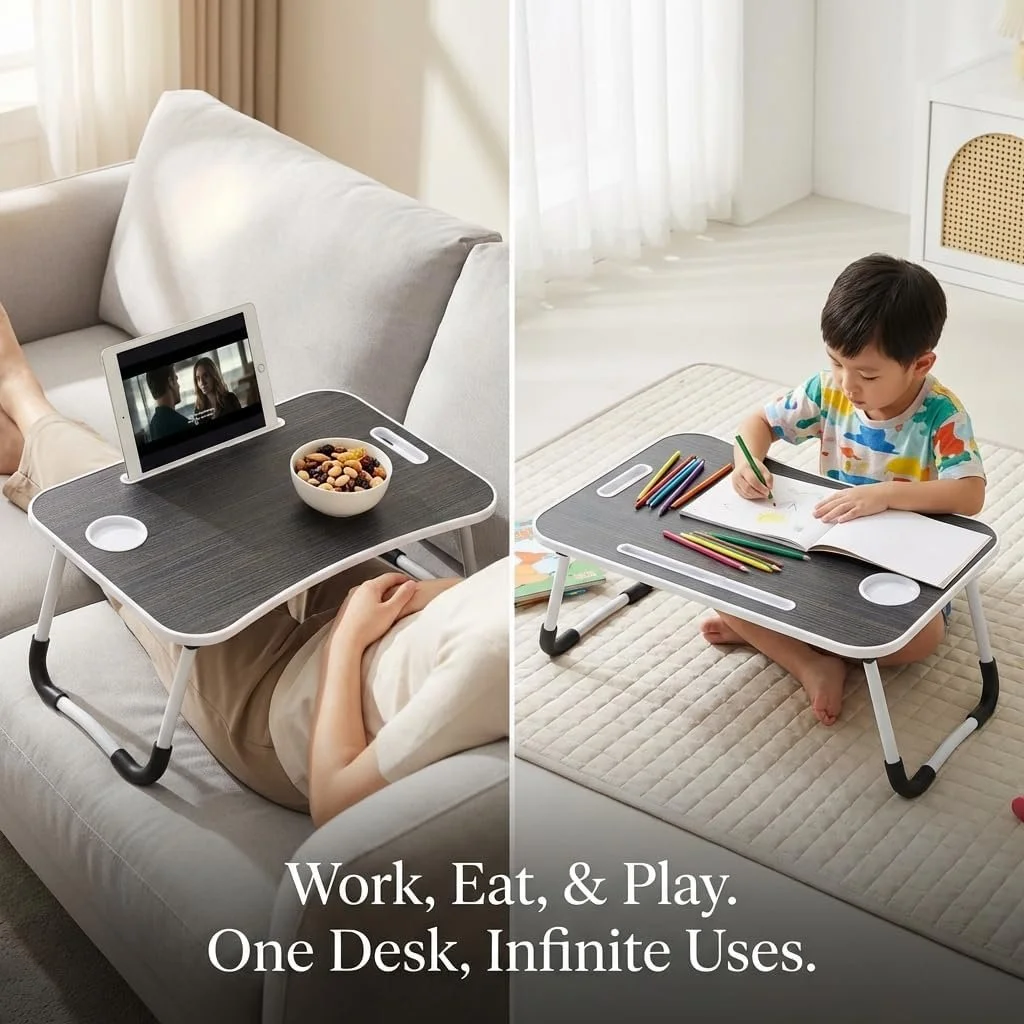
For “any location” coloring: lap desk
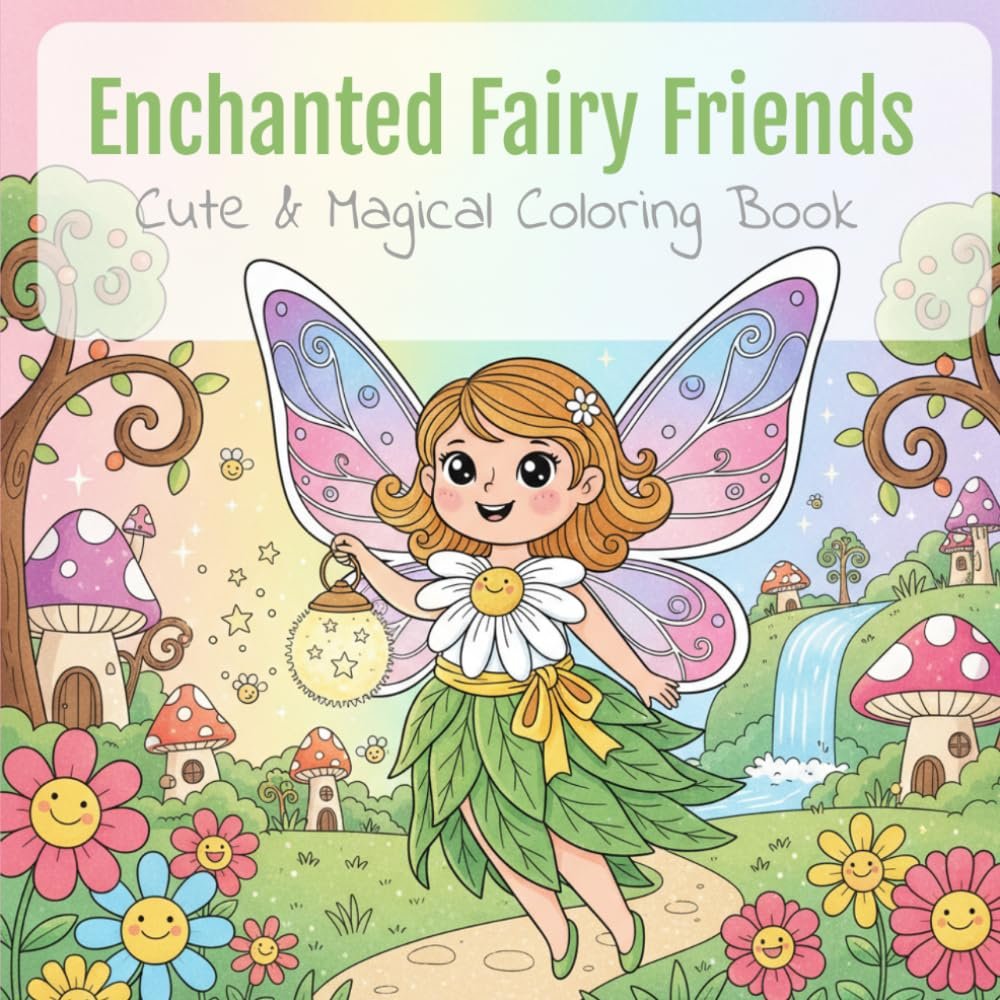
For the mystical kids: fairy coloring book
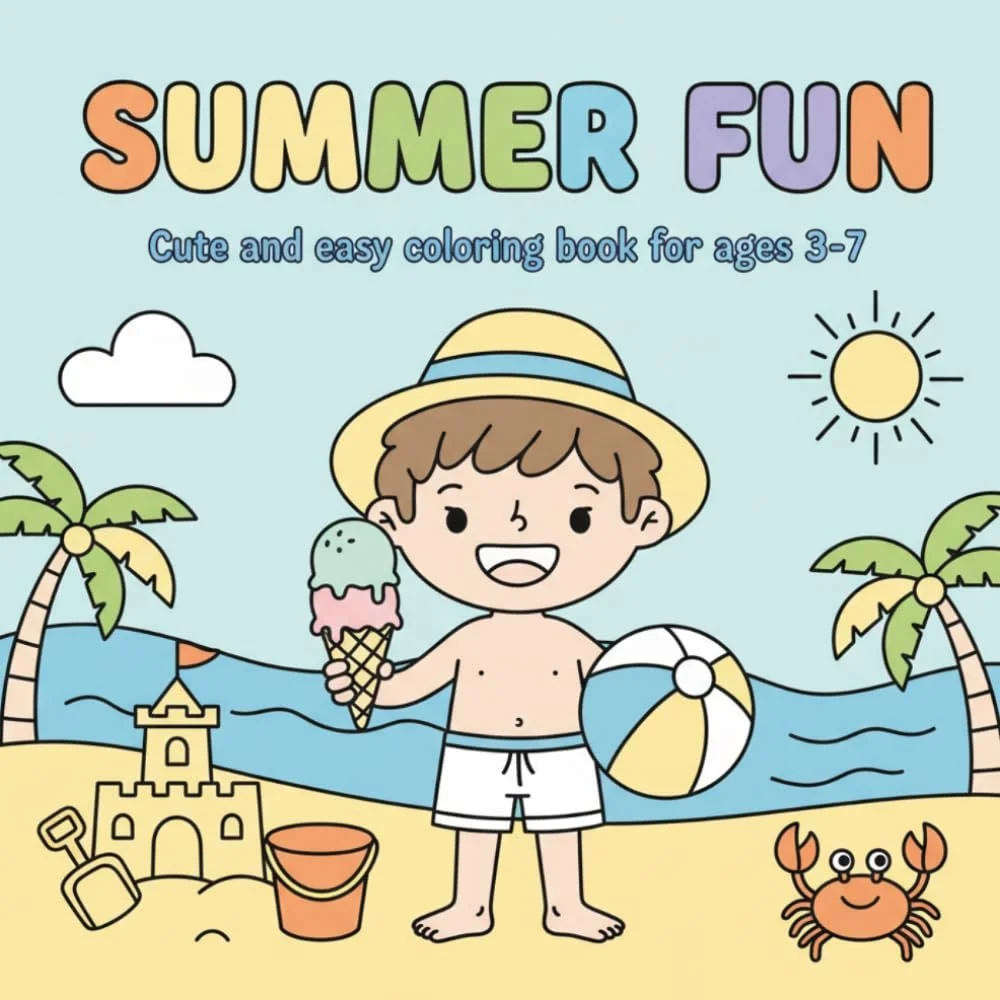
For the “schools out” vibes: summer coloring book
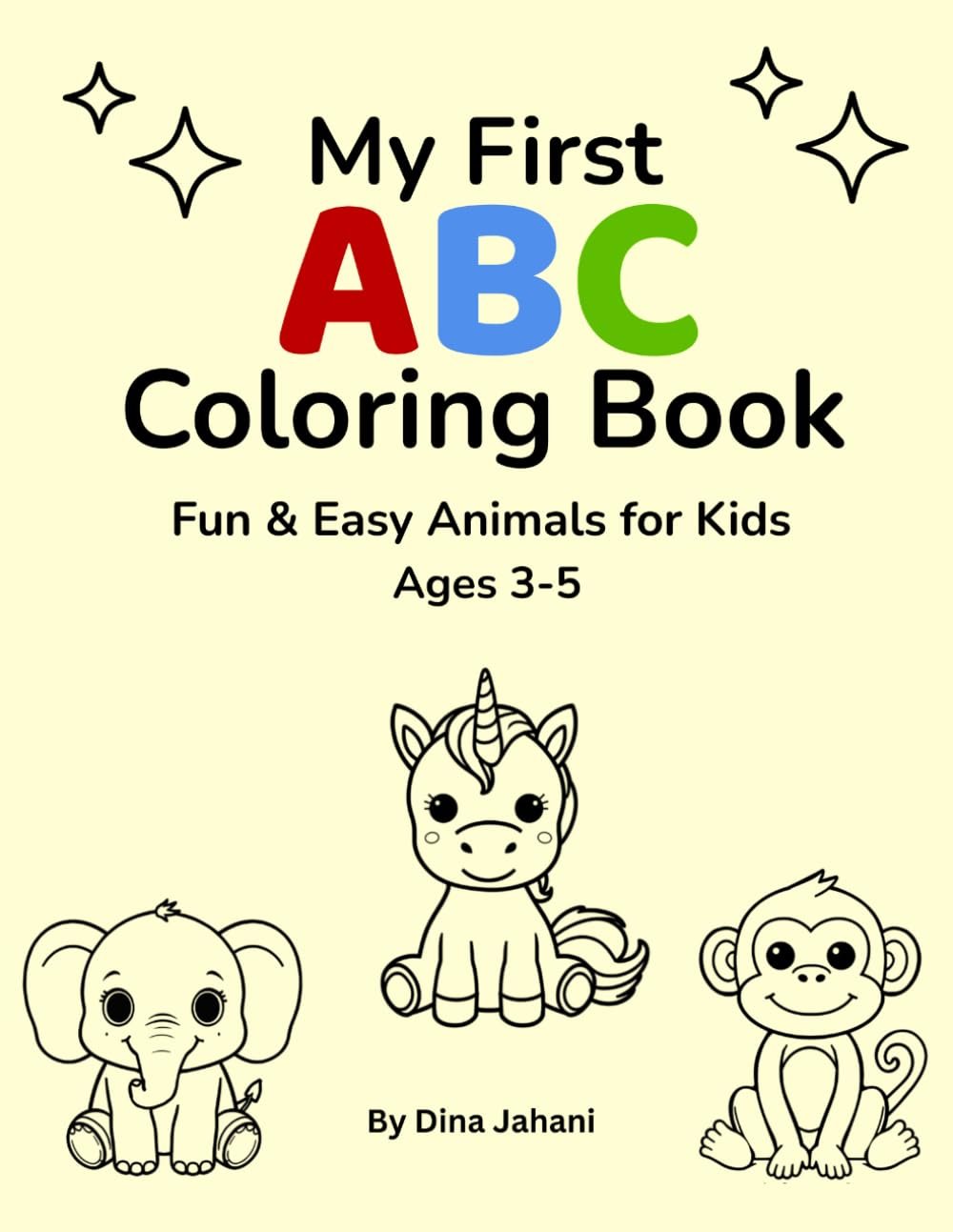
For the early learner: ABC coloring book
The goal isn’t more stuff.
The goal is fewer barriers between “I’m bored” and “let’s make something.”
Shop Ideas From This Retro
Note: I may receive a small commission at the affiliate links.