What Family Game Night Really Builds
And Why It’s My Go-To High ROI Parenting Hack
Modern parenting can feel incredibly fragmented.
One child needs connection.
Another needs help with emotional regulation.
Everyone wants screens.
Parents are trying to support learning without turning evenings into more work.
That’s why I’m always looking for activities that stack benefits.
Simple things that solve multiple problems at once.
And honestly? Family game night is one of the best ones I’ve found.
Not because board games are magical.
But because they quietly build a surprising number of important skills and family rhythms at the same time.
What I Mean By “Stacking Benefits”
I love activities that naturally accomplish more than one thing.
A walk can become:
movement
emotional regulation
conversation
fresh air
connection
Cooking together can become:
life skills
sensory exposure
math practice
teamwork
confidence
Family game night works the same way.
It’s:
connection
learning
resilience practice
communication
screen-free engagement
family culture
…all wrapped into one low-effort routine.
That’s high ROI parenting.
Board Games Build More Than Strategy Skills
Most board games are basically disguised skill-building.
Kids are practicing important developmental skills constantly while they play.
Without worksheets.
Without lectures.
Without realizing it.
Executive Function Skills
Board games naturally exercise:
impulse control
waiting turns
working memory
flexible thinking
planning ahead
sustained attention
Kids are holding rules in mind, adapting strategies, and managing frustration in real time.
That’s real practice.
Emotional Regulation Skills
This is one of the biggest hidden benefits.
Games create safe opportunities to practice:
losing
disappointment
frustration tolerance
mistakes
emotional recovery
Children need low-stakes chances to experience hard feelings.
Game night gives them those reps.
And over time, they get better at handling them.
Social Skills
Board games also help kids practice:
cooperation
communication
perspective-taking
reading social cues
negotiating
problem solving
Especially with siblings.
A lot of social learning happens naturally around a game table.
Learning Happens Too
Many games quietly reinforce:
math
memory
vocabulary
sequencing
logic
pattern recognition
strategic thinking
And kids often learn better inside emotionally positive experiences.
That matters.
The Connection Benefits Are Even Bigger
The developmental skills are great.
But honestly, I think the connection piece matters even more.
Family game night creates repeated positive interactions.
Not logistics.
Not correction.
Not rushing everyone through routines.
Just shared time together.
And those moments compound.
Kids Often Remember the Feeling More Than the Game
They may not remember every game they played.
But they often remember:
laughing together
family jokes
feeling included
playful competition
cozy traditions
parents being fully present
That emotional atmosphere becomes part of family identity.
Why Games Create Better Conversation
One thing I’ve noticed:
Kids often talk more during side-by-side activities than during direct questioning.
A game naturally lowers pressure.
Conversation happens while:
shuffling cards
waiting turns
setting up pieces
joking around
It feels easier and more organic.
Sometimes the best family conversations happen accidentally.
Part of the Magic Happens Before Game Night Starts
The anticipation becomes part of the ritual.
Kids talk about favorite games.
Debate strategies.
Campaign for their picks.
That build-up creates connection too.
You can lean into this and make it even more fun.
Easy Ways to Make Family Game Night Feel Special
Pick a Game From a Hat
Simple. Easy. Surprisingly exciting.
Create a “March Madness” Bracket
This is incredibly fun for kids.
Have games compete tournament-style until one becomes:
Rotate a “Game Host”
One child:
picks the game
explains rules
passes out pieces
keeps score
Kids love ownership.
Add Tiny Traditions
You do not need elaborate Pinterest-level setups.
Tiny rituals work beautifully:
popcorn night
pajamas + card games
blanket fort game nights
cozy lighting
hot chocolate nights
Small traditions create emotional texture.
Why Family Game Night Is Such a High ROI Parenting Habit
Very few activities support this many goals at once.
Family game night can help with:
connection
emotional regulation
sibling relationships
executive functioning
resilience
communication
learning
screen-free time
family culture
Without requiring huge prep.
That’s the systems-thinking piece I love.
Instead of solving every parenting challenge separately, you create rhythms that naturally support multiple areas at once.
It Doesn’t Need To Be Perfect
This part matters.
Game night does not need to look impressive to be meaningful.
Sometimes:
the toddler wanders away
someone melts down
the game ends early
siblings argue
nobody finishes
That’s normal.
You’re still building the habit.
You’re still building connection.
Consistency matters more than perfection.
Even 20 minutes counts.
A Few Things That Help
Keep Games Visible
A basket in the living room works wonders.
Visible activities get used more often.
Start Smaller Than You Think
You do not need a 3-hour family event.
Short and successful is better.
Mix Cooperative & Competitive Games
Both teach valuable skills.
Competitive games build resilience.
Cooperative games build teamwork.
Families benefit from both.
End Before Everyone Is Exhausted
One of the best ways to keep kids excited about game night?
Stop while it’s still fun.
Leave them wanting more.
Final Thoughts
I love parenting systems that stack benefits.
And family game night is one of my favorites because it quietly supports so many important things at once:
connection
resilience
communication
learning
emotional skills
family culture
All from something as simple as sitting around a table together.
It doesn’t have to be elaborate to matter.
Sometimes the most meaningful family systems are also the simplest.
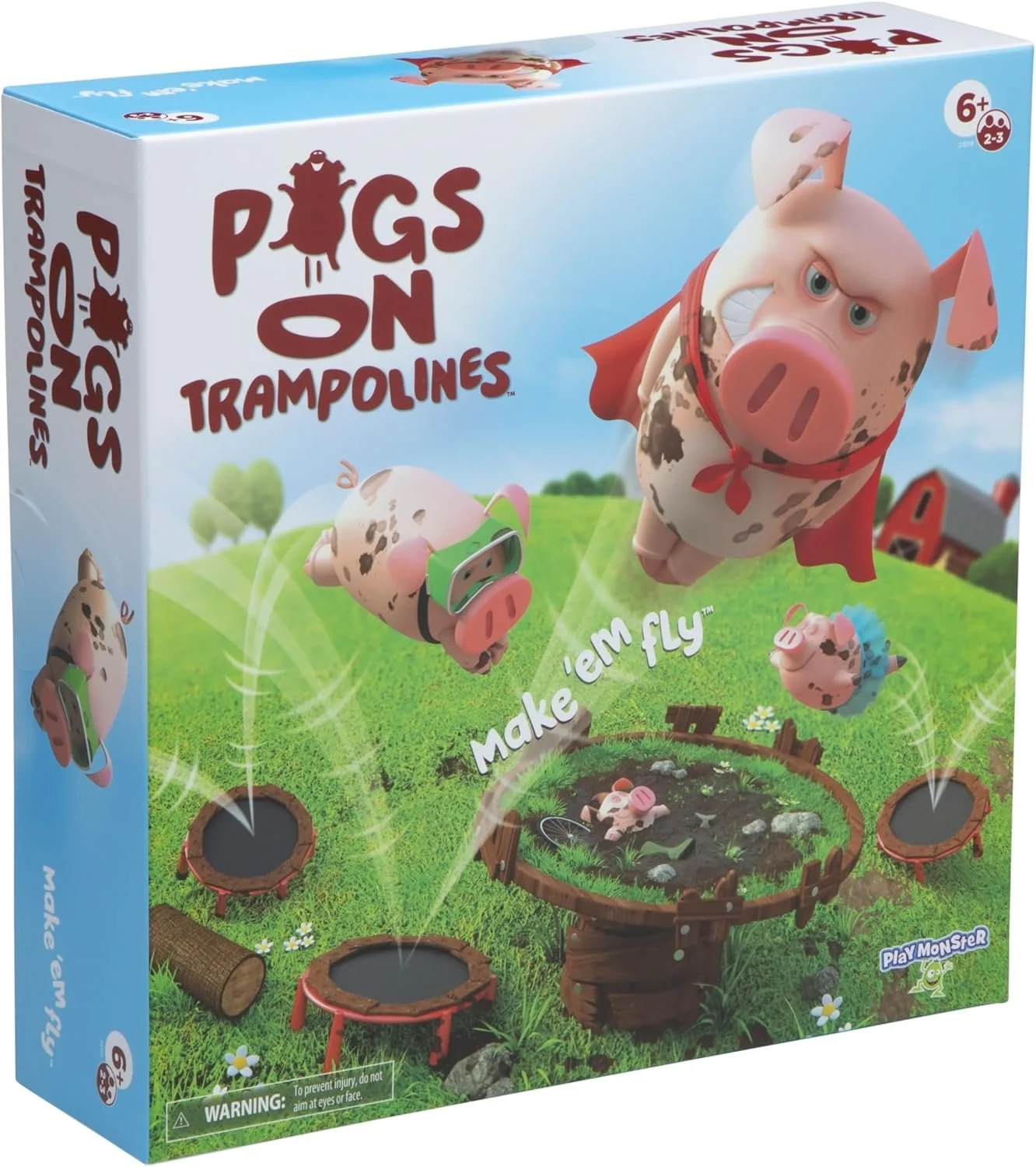
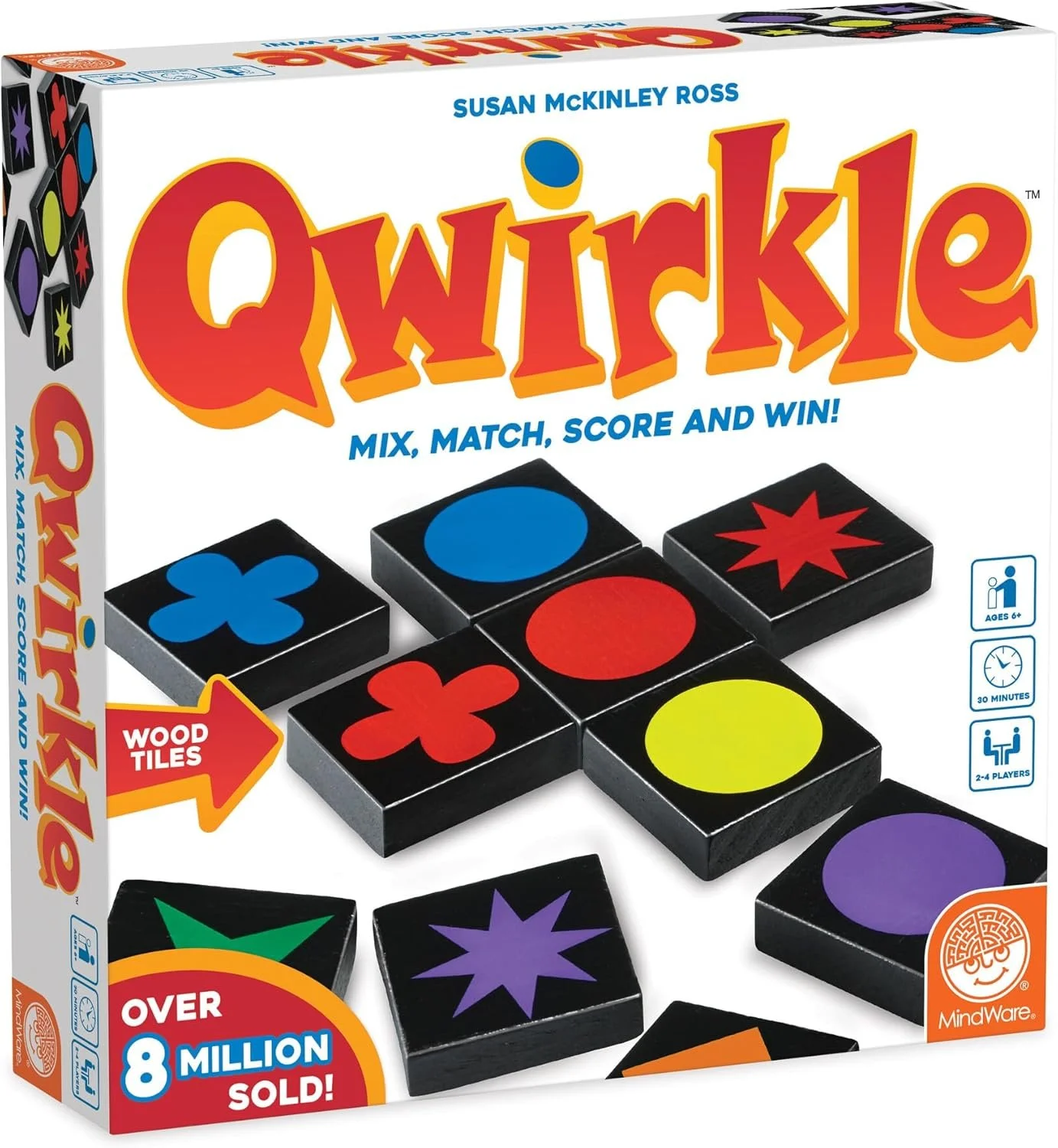
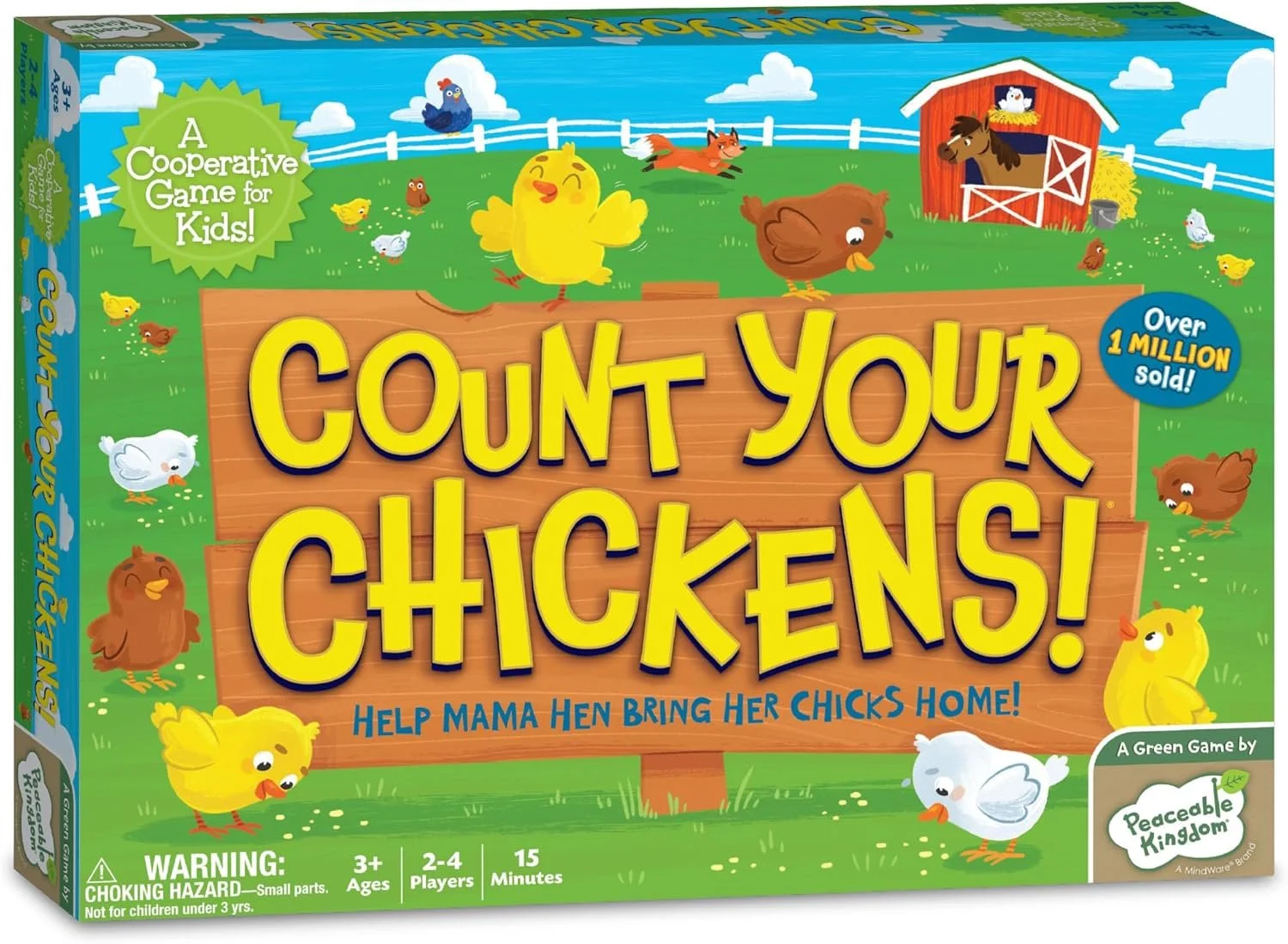
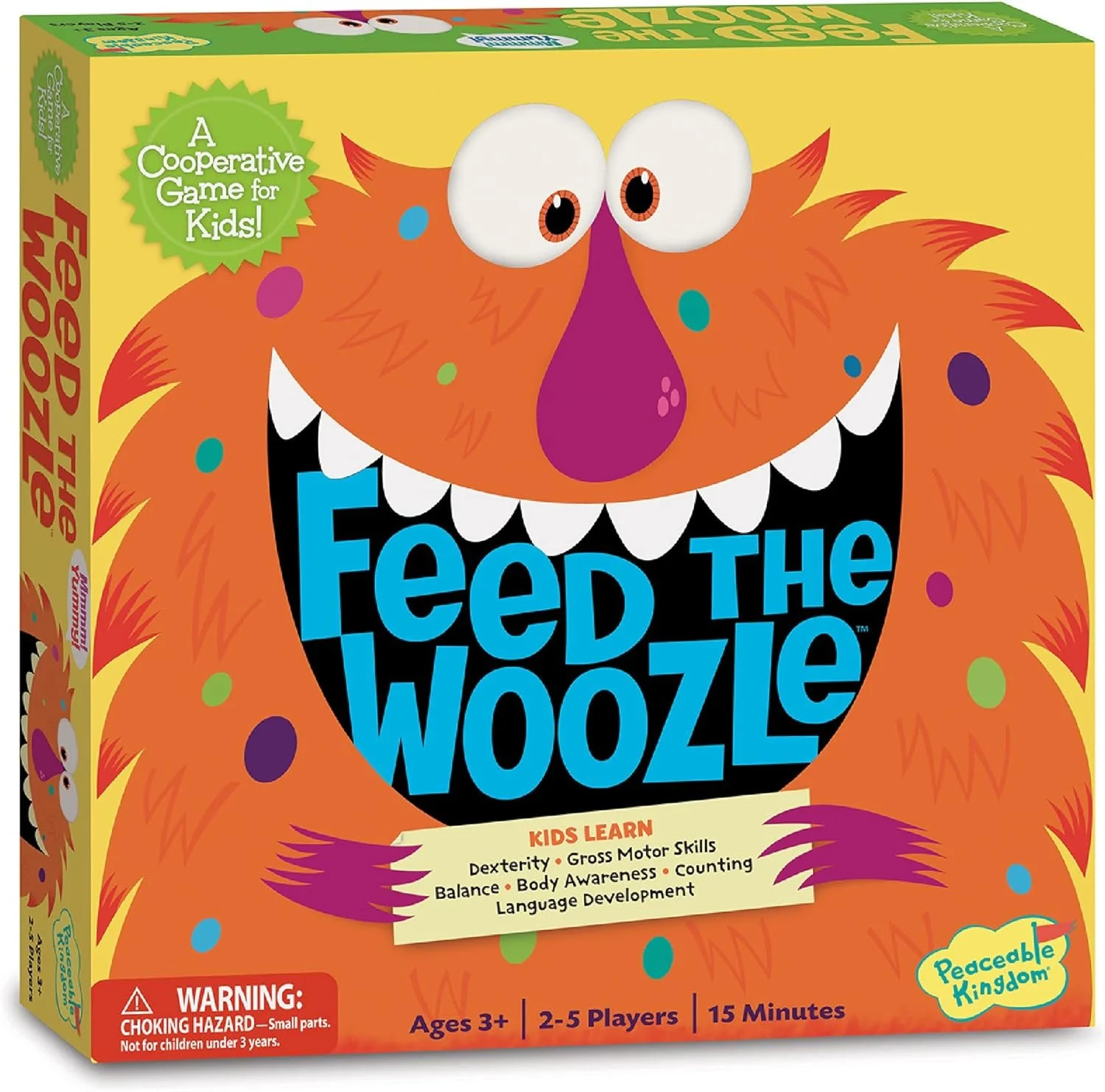
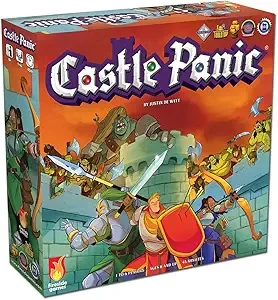
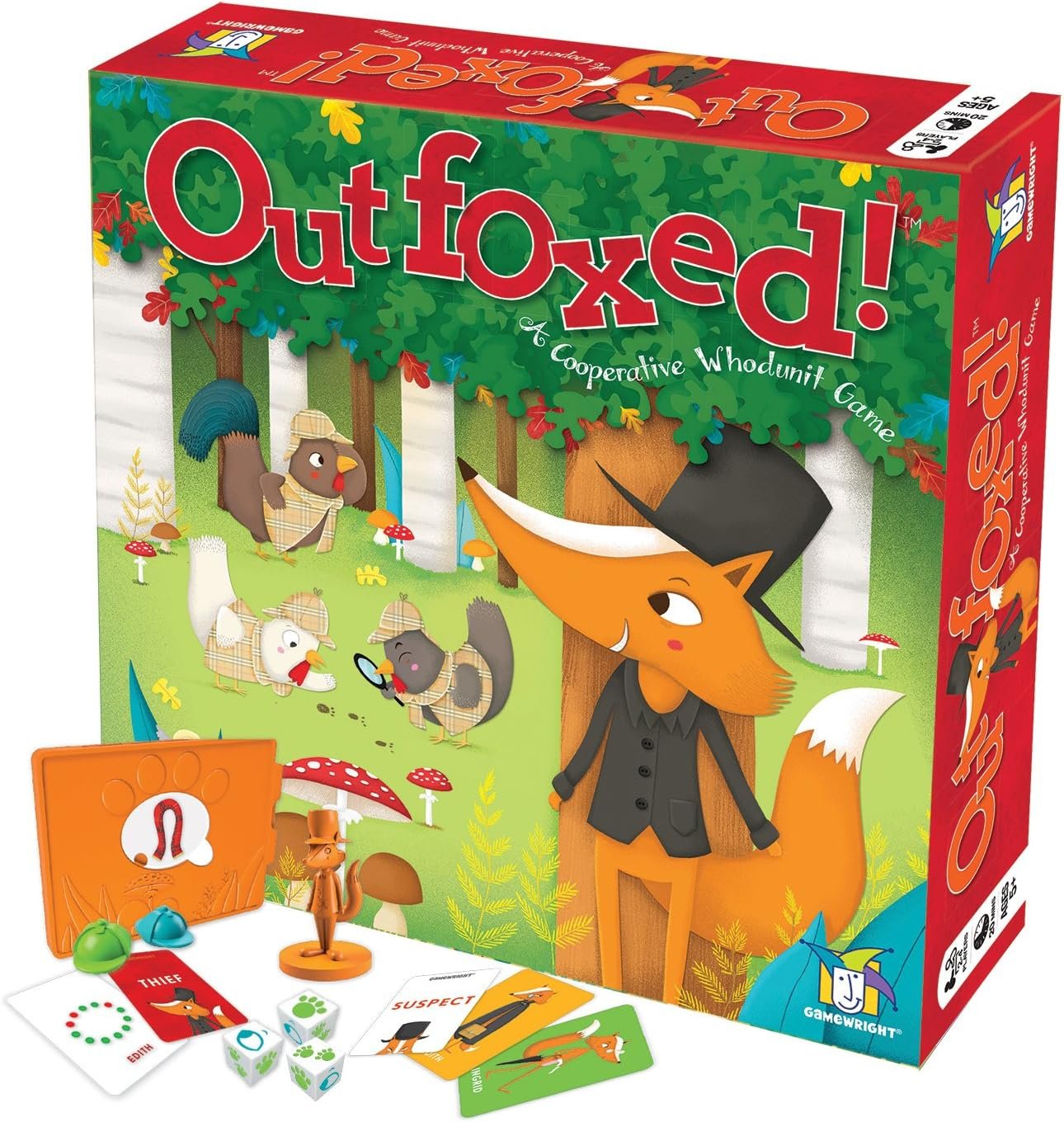
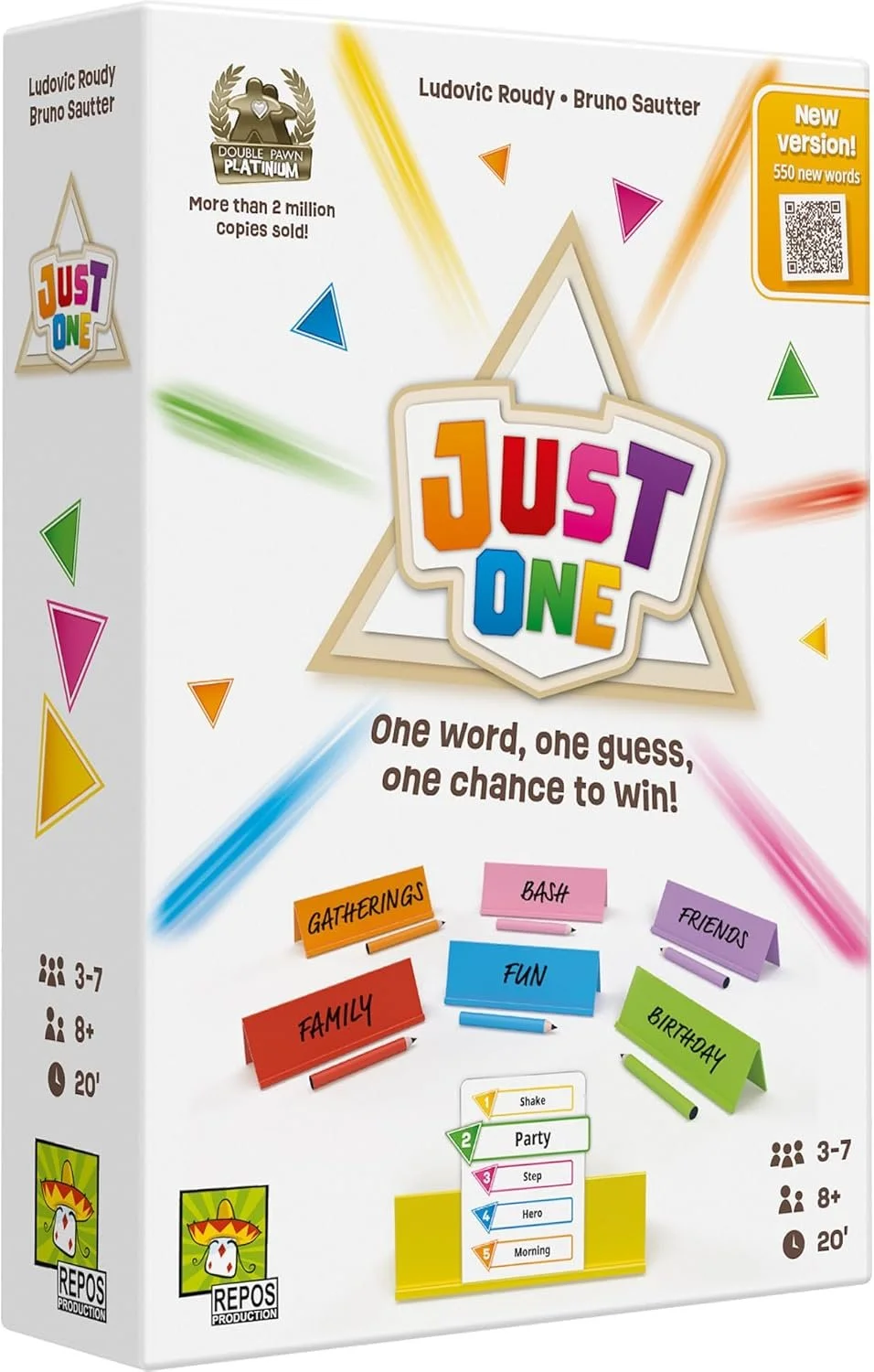
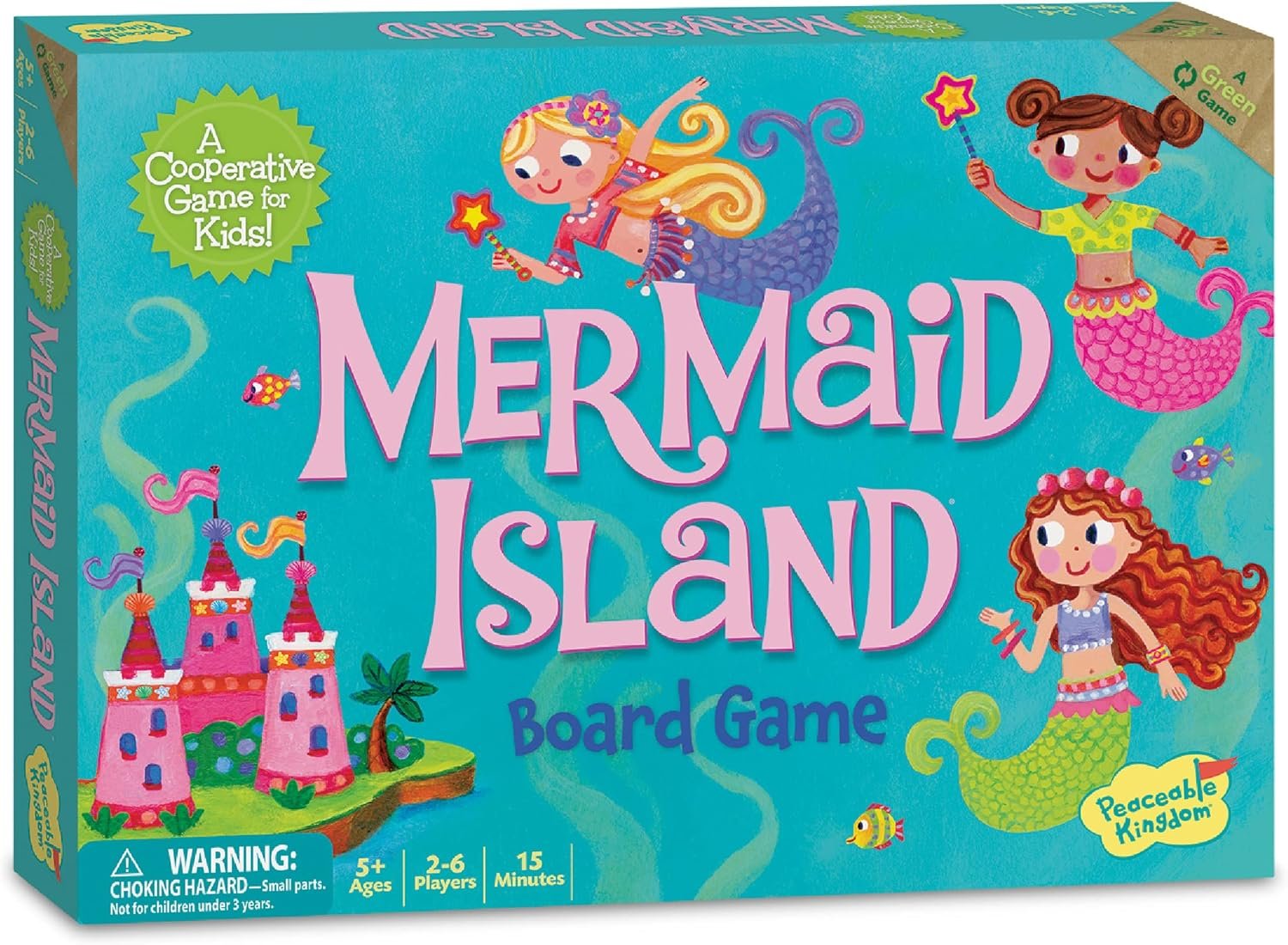
Shop Ideas From This Retro
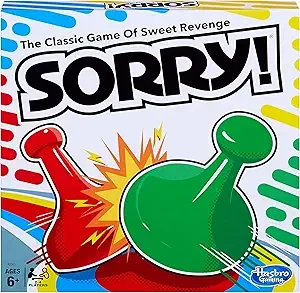
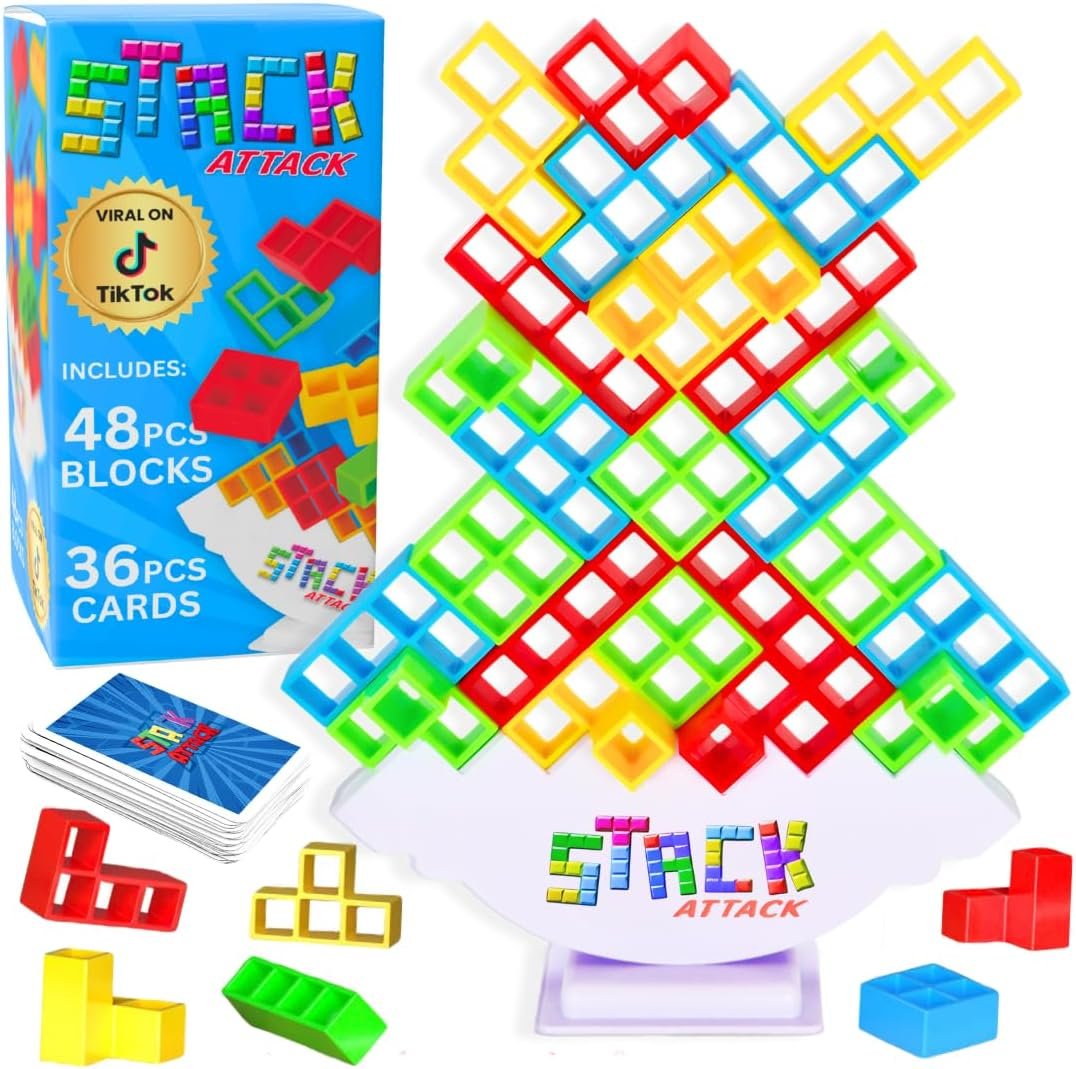
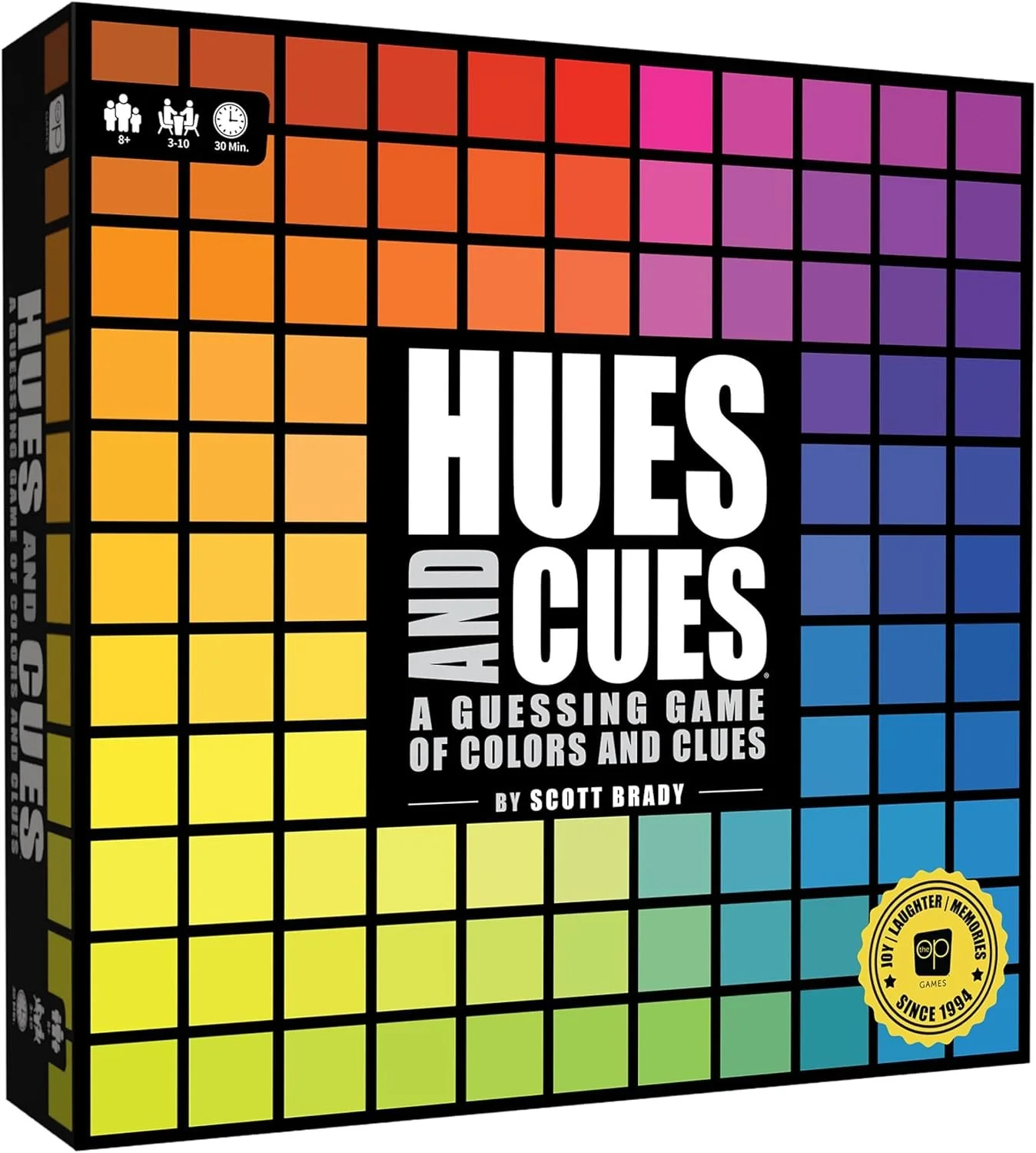
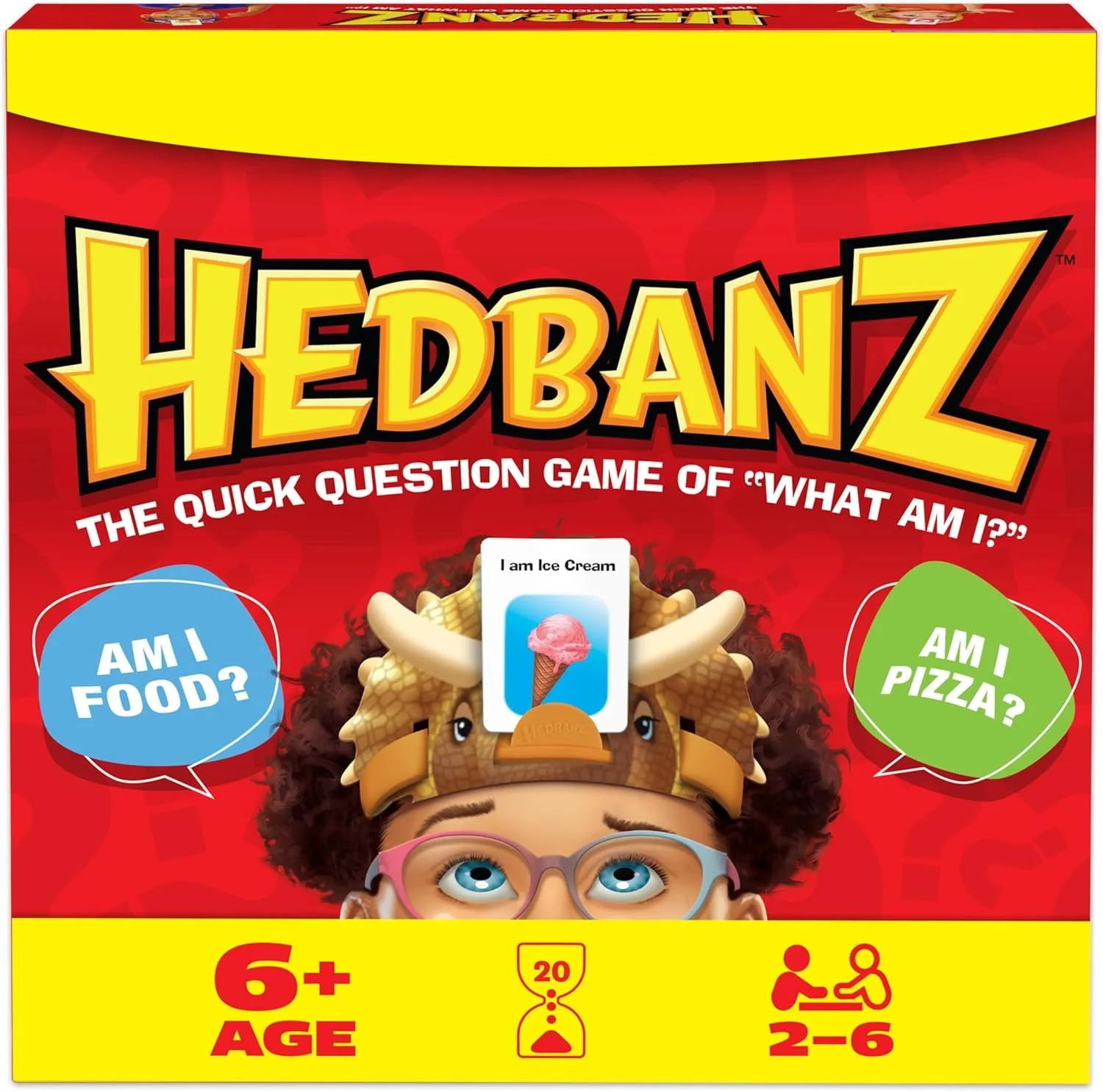



Note: I may receive a small commission from the affiliate links above.