The “Stacking Benefits” Approach to Parenting
Getting More Out of What You’re Already Doing
There’s a quiet shift happening in how a lot of parents are approaching daily life right now.
Not necessarily “doing more.”
But doing things that count for more than one thing at a time.
Because the reality is, most parenting isn’t a lack of effort problem.
It’s a fragmentation problem.
You’re trying to:
help your child develop skills
keep them regulated
create connection
get through daily responsibilities
reduce screen time guilt
and maybe, if there’s time, enjoy it a little
So everything starts to feel like separate jobs.
One activity for learning.
Another for bonding.
Another for getting through chores.
Another for “quiet time.”
And it adds up.
The idea: stack benefits instead of stacking tasks
A more useful mental model is this:
You don’t always need more activities.
You need activities that quietly do more than one job at once.
Not in a forced or overly optimized way — more in a “this fits naturally together” way.
Think of it as stacking benefits instead of stacking effort.
Same time.
Same activity.
Multiple outcomes.
And when you start noticing it, you realize a lot of great parenting moments already work this way.
You just don’t always name it.
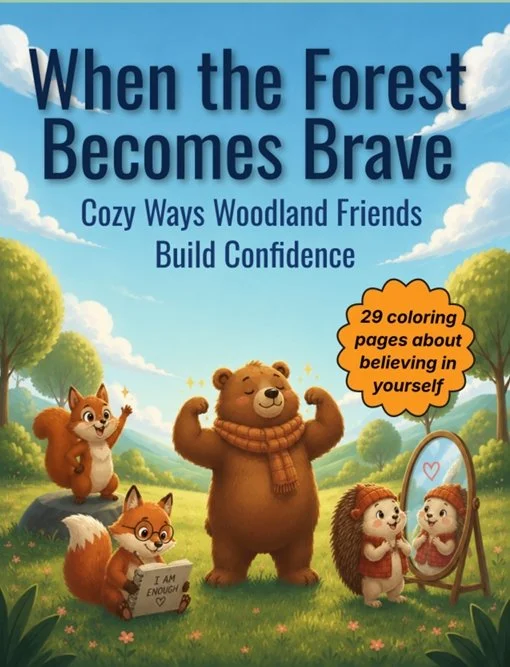
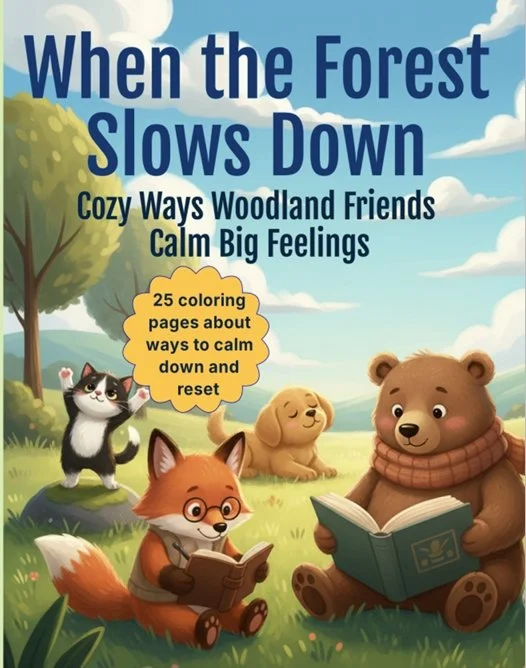
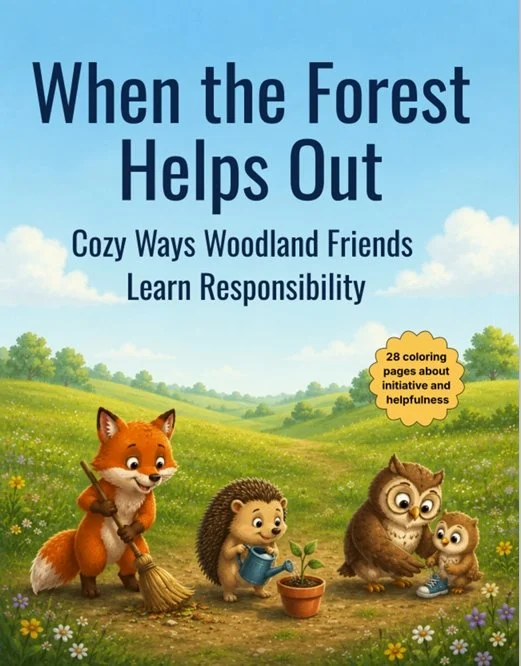
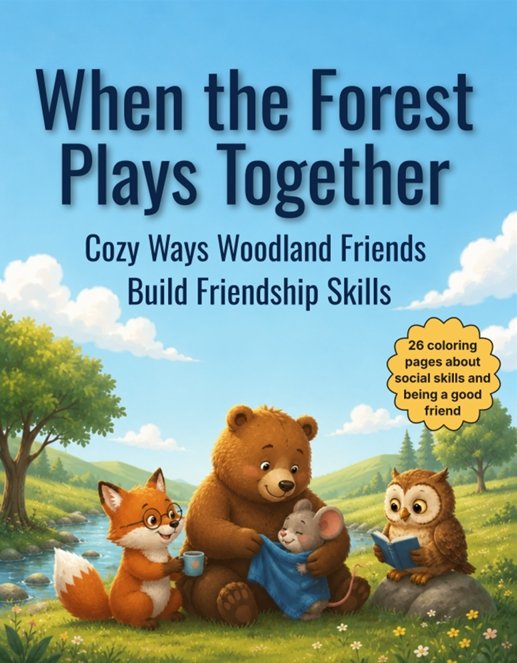
1. Coloring time + emotional and social skill building
On the surface, coloring is simple:
quiet time
creative play
something that keeps kids busy
But it’s also doing more than that when it’s designed intentionally.
Coloring can naturally support:
emotional recognition (naming feelings through characters)
calm-down routines (regulation through repetition)
patience and focus (finishing something slowly)
storytelling (what is this character feeling or doing?)
So instead of thinking:
“This is just screen-free entertainment”
It becomes:
“This is quiet time that also builds emotional awareness and regulation skills.”
That’s a meaningful shift — especially for parents trying to balance independence with intentional development.
And it’s exactly why activity books with emotional themes tend to resonate so strongly.
They don’t add more to your day.
They upgrade what’s already happening in it.
These coloring books do just that with affirmations aligned to certain social-emotional skills for each book.
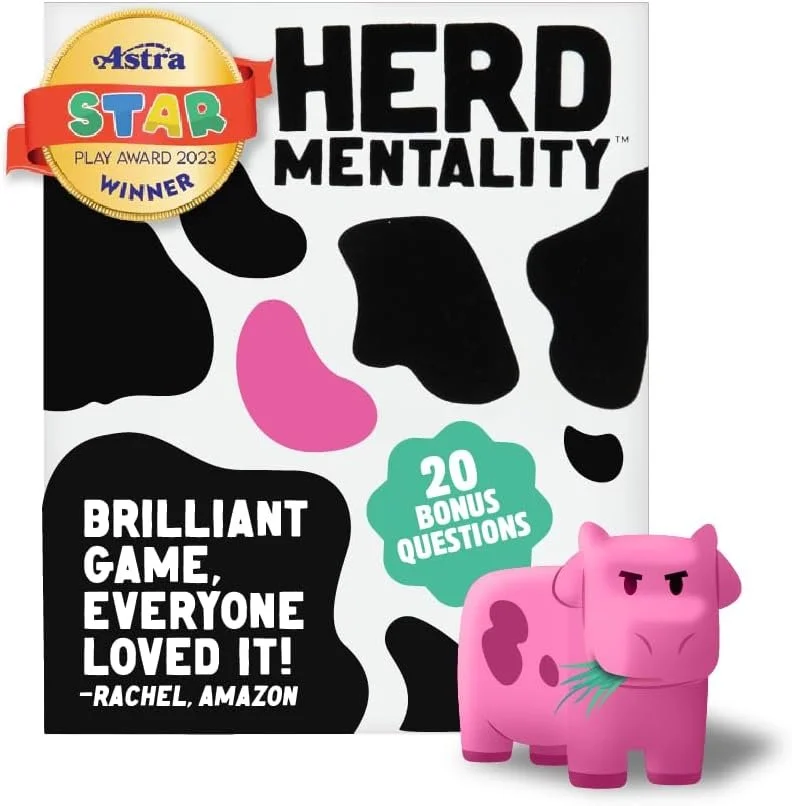
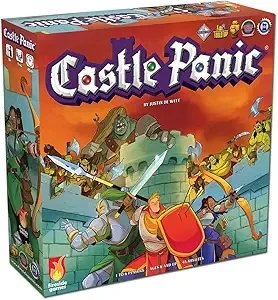
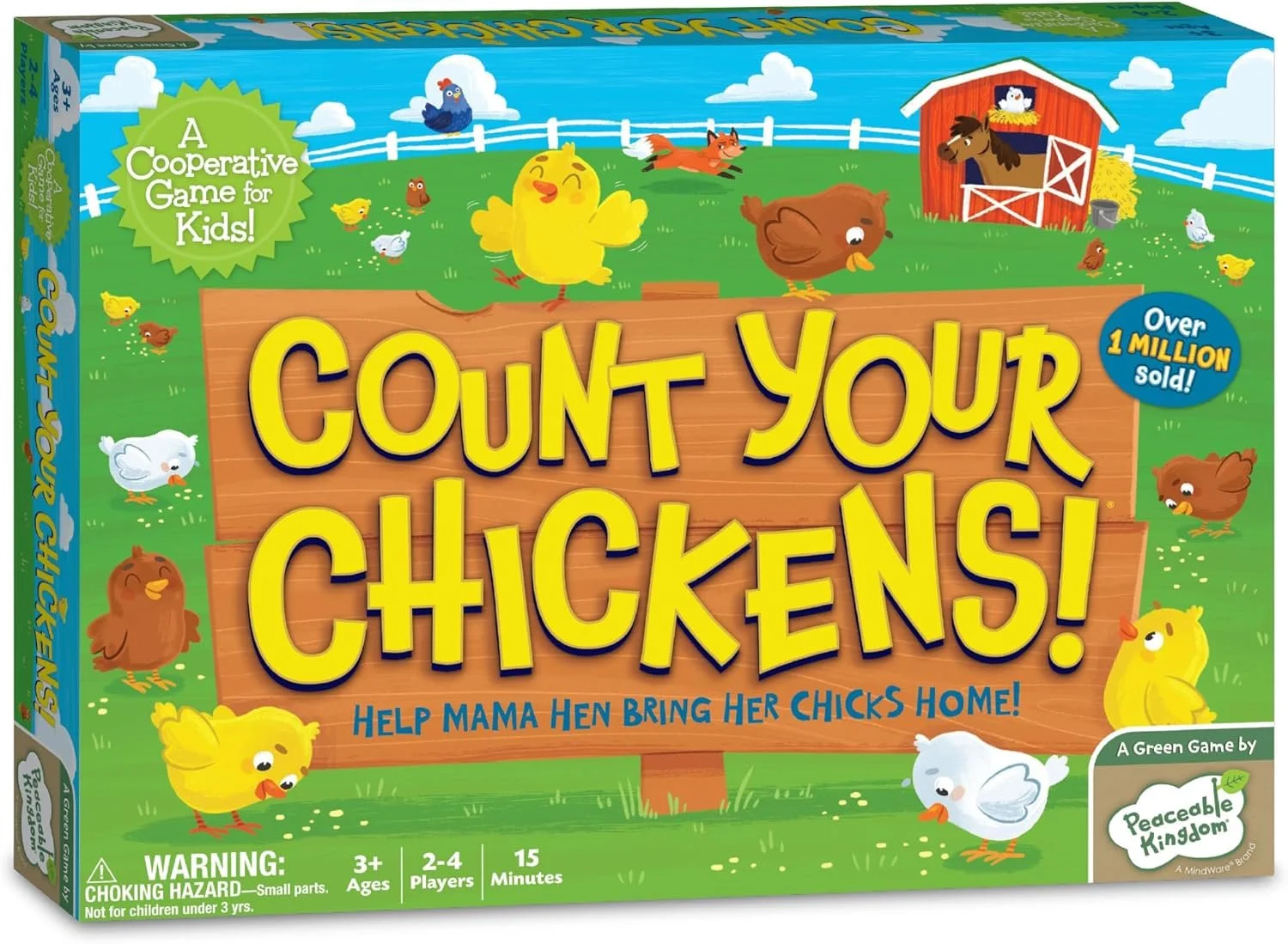
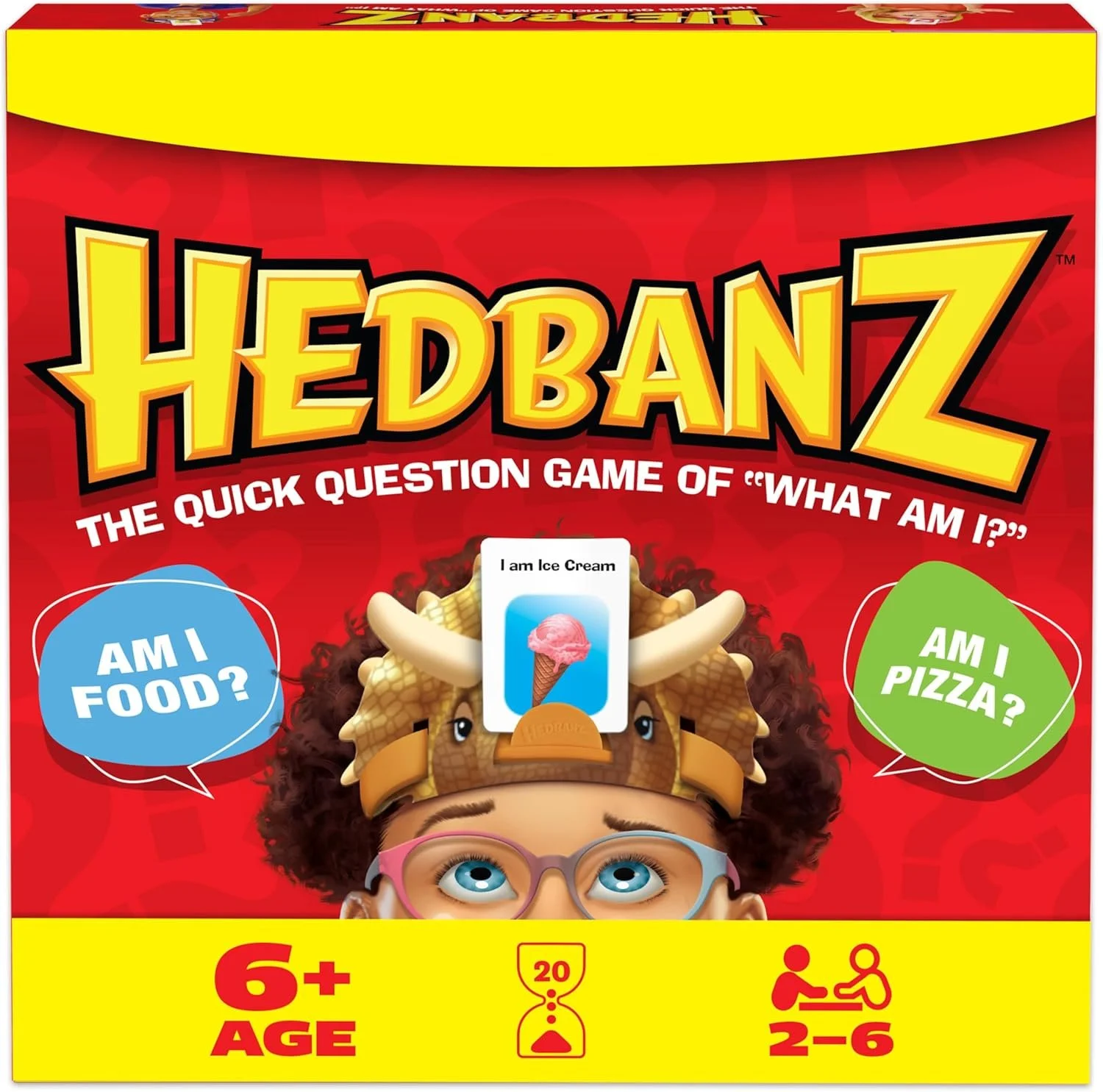
2. Family bonding + board games that build real-life skills
Most families don’t need to be convinced to spend time together.
The challenge is usually:
everyone is tired
attention is fragmented
and “quality time” starts to feel like another task to manage
Board games solve part of that automatically.
But they also do something else that’s easy to overlook.
They build:
turn-taking
patience
winning and losing gracefully
flexible thinking
cooperation
communication under mild pressure
So you get:
connection AND skill-building
fun AND emotional development
shared experience AND life practice
All from the same 30–60 minutes.
This is the same stacking principle in action.
It’s not “play OR learning.”
It’s:
play that quietly teaches how to be in the world with other people.
Which is why these moments often stick longer than structured “lessons” do.
Check out this article for some of the best cooperative and strategy-based family board games.
3. Chores + podcasts = responsibility + learning + less resistance
This is one of the most underrated examples of stacked parenting benefits.
Chores are necessary.
Podcasts are optional enrichment.
But combined, they become something more interesting.
When kids listen to podcasts while doing simple tasks (folding laundry, tidying, organizing toys), a few things happen at once:
chores feel less tedious
kids associate responsibility with autonomy, not punishment
they get exposure to language, ideas, storytelling, or educational content
parents get real tasks done without constant negotiation
So instead of:
“Do your chores, then you can have fun”
It becomes:
“Let’s make this time more interesting while we get things done.”
That shift matters.
Because it removes the artificial separation between:
“work time”
“fun time”
“learning time”
And replaces it with something closer to real life:
activities can overlap.
The bigger idea underneath all of this
When you zoom out, this isn’t really about hacks or optimization.
It’s about reducing the number of separate systems parents have to run in their heads.
Because fragmentation is what creates burnout.
Every time you need:
a separate activity for learning
a separate strategy for behavior
a separate moment for connection
a separate plan for downtime
…you add cognitive load.
But when one activity can naturally cover multiple needs, something interesting happens:
the day feels simpler
transitions feel smoother
guilt decreases
kids stay more engaged
and you stop feeling like you’re constantly behind
Not because you’re doing more.
But because what you’re already doing is doing more for you.
A more useful question than “what should I add?”
Instead of asking:
What more activities do we need?
What else should I be teaching?
How do I fit everything in?
A better question might be:
“What am I already doing that could quietly support more than one goal?”
That’s the real shift.
Not addition.
Integration.
Where this shows up in real life
Once you start noticing it, you see it everywhere:
quiet time that also builds emotional regulation
games that also build social skills
chores that also build independence
crafts that also build focus and patience
routines that also build security and confidence
And none of it needs to feel heavy or structured.
It just needs to be intentional enough to recognize the overlap.
Final thought: less friction, more meaning
A lot of modern parenting advice accidentally adds steps.
But what most parents actually need is the opposite.
Fewer disconnected moments.
More overlap.
More natural reinforcement.
Less switching between “modes.”
Because the goal isn’t to turn every moment into a lesson.
It’s to let everyday moments quietly do more than one thing at once.
And when that starts to happen, the day doesn’t necessarily get easier…
But it does start to feel more coherent.
Shop Ideas From This Retro
Note: I may receive a commission from the affiliate links above.