How to Explore a New City With Little Kids (And Without Meltdowns)
One thing I’ve noticed about family travel:
Novelty, excitement, and best intentions aren’t enough for success.
The real success factor is pacing.
Parents understandably want to maximize time while exploring a new place. You spend money on the trip. You want to experience the city. You want your children exposed to new environments, cultures, food, architecture, and experiences.
And research suggests those experiences matter.
Family travel has been linked to stronger family bonding, memory formation, learning, and social development in children.
But young children also have nervous systems that fatigue faster under:
overstimulation
excessive transitions
prolonged restraint
unpredictability
hunger
sensory overload
Which means many difficult travel days are not actually behavior problems.
They’re regulation problems.
That shift changed how we started planning trips.
Instead of asking:
“How much can we fit into one day?”
We started asking:
“What kind of rhythm helps kids stay regulated while still experiencing the city?”
That led to a much simpler framework.
Not rigid schedules.
Just intentionally balancing different types of experiences throughout the day.
Because the goal isn’t just seeing more.
It’s creating a day everyone can actually enjoy.
And if I’ve enjoyed exploring
San Francisco with a 3 year old,
Sydney, Australia with a 5 year old,
Tokyo Japan with a 6 year old,
Edinburgh, Scotland with a 7 year old
This will work for your kid and your trip, too.
1. Build in Movement Opportunities
Children regulate through movement.
And city travel often asks kids to do the opposite:
wait in lines
sit at restaurants
walk crowded streets
stay quiet in museums
ride public transportation
Research consistently connects movement with improved emotional regulation and reduced stress in children.
So now, we intentionally build movement into sightseeing days.
That might look like:
a playground between attractions
a botanical garden
climbing-focused museums
beach walks
open plazas
nature trails
parks with room to run
We stopped viewing movement as the “extra” activity.
Now we see it as regulation support.
And everything else tends to go more smoothly afterward.
2. Alternate High Stimulation With Low Stimulation
A common travel mistake is stacking stimulating activity after stimulating activity.
Museum.
Crowded market.
Busy lunch.
Long walking route.
Shopping district.
Dinner reservation.
Cities are exciting.
But they’re also cognitively exhausting for little kids.
Which means recovery time matters.
We now try to alternate:
active experiences
withpassive or restful experiences
Examples:
trolley or bus tours
boat rides
picnics
aquariums
scenic cafés
shows or performances
longer sit-down meals
Not every part of the day should require output from kids.
Recovery is what makes the rest of the day possible.
3. Include Something Specifically for Them
One of the easiest ways to reduce friction during family travel is surprisingly simple:
Make sure part of the day feels exciting for the child too.
Not just tolerable.
Actually enjoyable.
Children tend to cooperate more when they feel included in the experience instead of constantly adapting to adult priorities.
That doesn’t require building the whole trip around kids.
Just intentionally adding:
a carousel
a toy store
a dessert stop
an interactive museum
a splash pad
an animal encounter
a themed activity tied to their interests
Small moments of ownership change the emotional tone of the day significantly.
4. Plan Around Transitions, Not Just Destinations
Most travel stress happens between activities.
Leaving the hotel.
Waiting for transportation.
Standing in line.
Finding food.
Switching environments.
Those moments require a surprising amount of regulation from young children.
So now we build more margin into transitions.
Less rushing.
Fewer tightly packed reservations.
More buffer time than we think we need.
Because a day that looks “efficient” on paper can feel completely exhausting in real life.
5. Make Food and Water Easy to Access
Hunger amplifies every other stressor.
Tiredness.
Overstimulation.
Frustration.
Transition fatigue.
So one of the simplest systems we use while exploring cities is reducing food friction.
That means:
carrying easy snacks
planning hydration stops
identifying flexible dining options ahead of time
keeping familiar foods available
Not because every child needs constant snacks.
But because regulated kids handle novelty much better than depleted kids.
6. Build in Sensory Downshift Spaces
Cities are loud.
Crowded.
Visually stimulating.
Fast-moving.
Constantly demanding attention.
And many children need intermittent breaks from that level of input.
So we now intentionally look for “downshift spaces” throughout the day:
parks
quiet bookstores
gardens
calm cafés
hotel breaks
waterfront areas
Places where nervous systems can settle before ramping back up again.
These pauses often end up being some of the most enjoyable parts of the trip.
Final Thought
I don’t think successful family travel is about lowering expectations.
And I don’t think parents need to wait until kids are older to experience the world together.
Children benefit from travel too:
new environments
shared memories
flexibility
curiosity
connection
But young kids experience cities differently than adults do.
The trips that tend to feel best are usually not the ones that maximize activity.
They’re the ones that balance stimulation with regulation.
Movement with rest.
Novelty with predictability.
Exploration with recovery.
Because when children feel emotionally supported by the rhythm of the day, everyone gets to experience more of what they traveled there for in the first place.
Connection.
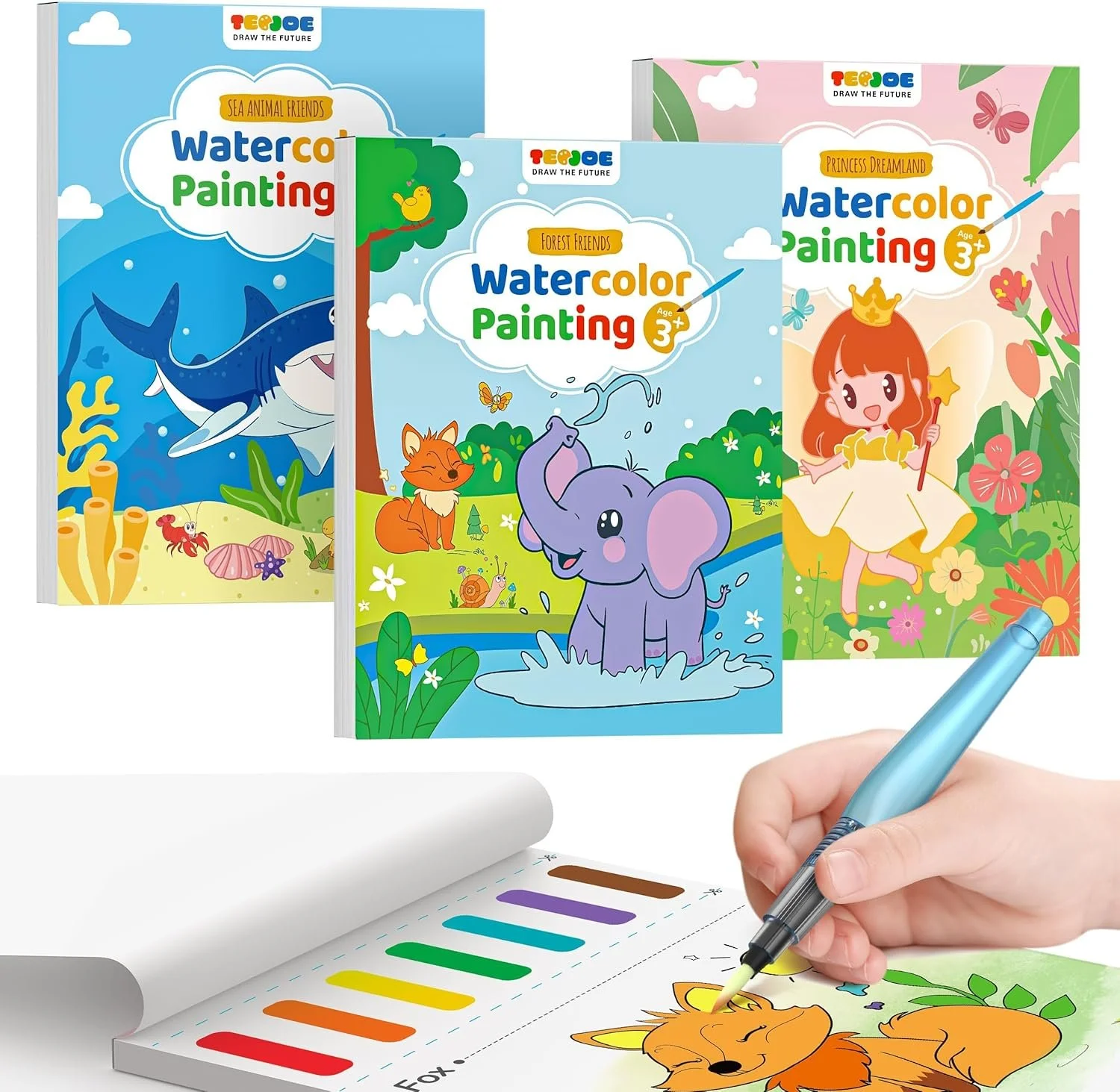
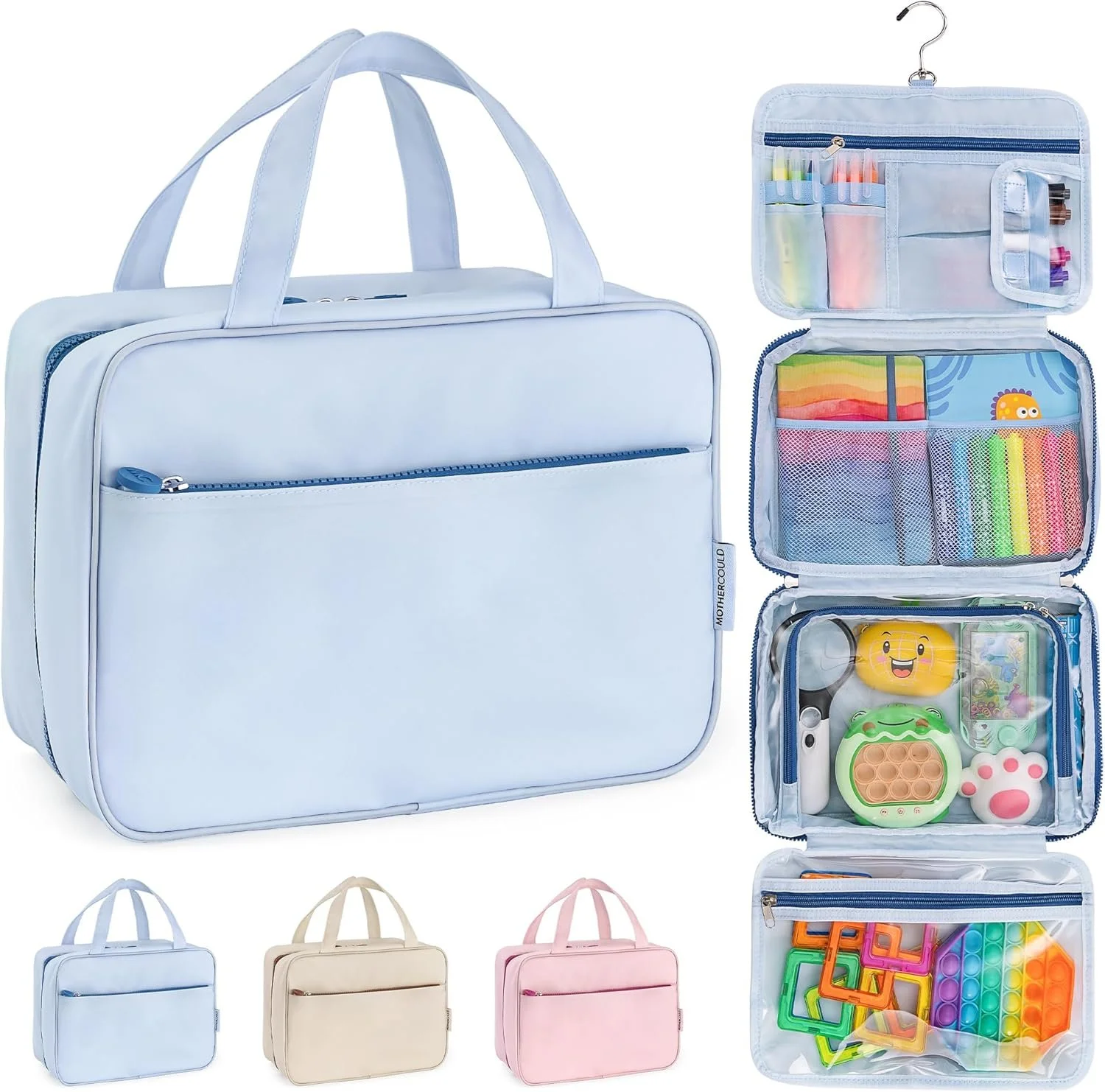
Shop Family Travel Favorites







Note: I may receive a small commission from the affiliate links above.