Confidence Is Usually Built Sideways, Not Head-On
A lot of modern confidence advice for kids sounds something like:
“Tell them they’re amazing.”
“Boost their self-esteem.”
“Give more praise.”
And while encouragement absolutely matters, child psychologists have found that confidence usually develops much more indirectly than that.
Kids build confidence when they:
feel emotionally safe
experience themselves becoming capable
recover from challenges
and slowly collect evidence that they can handle things
In other words:
Confidence is less something you pour into kids…
and more something you help them accumulate evidence for.
That shift changed how I think about confidence-building completely.
Because once you start looking at it through a systems lens, you realize the best confidence-building activities usually aren’t doing just one thing.
They stack benefits.
A child coloring while hearing encouraging language…
while practicing focus…
while feeling emotionally connected…
while completing something independently…
is building far more than creativity.
They’re building identity.
1. Identity Signals: Kids Absorb Identity From Repetition
Children are constantly building an internal story about themselves.
Not through one big speech.
But through repeated tiny signals.
Things like:
the language they hear
the roles they’re given
the way adults respond to mistakes
the activities they repeatedly engage with
the emotional tone surrounding those activities
This is why subtle repetition matters so much more than dramatic pep talks.
A child hearing:
“You kept trying even when that was frustrating.”
lands differently than:
“You’re so smart.”
One reinforces effort and resilience.
The other can accidentally make kids feel like their value depends on performing well.
And this is also why I love activities that combine encouragement with experience.
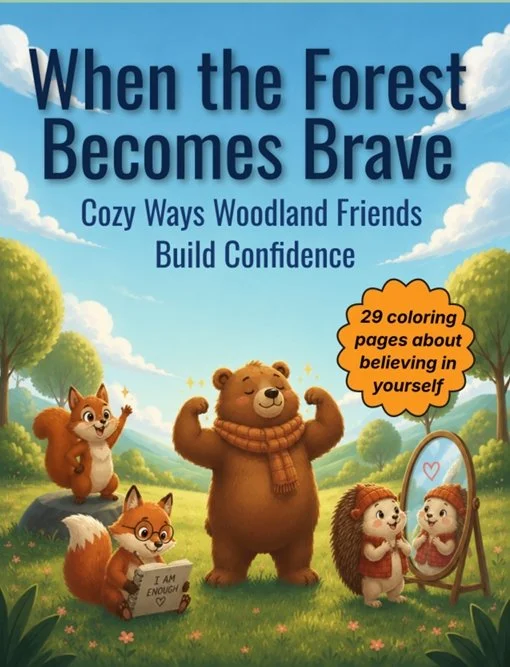
For example, a child coloring a page that says:
“I can keep trying.”
while calmly engaged in a cozy, positive activity tends to absorb that message much more naturally than if it’s delivered as a lecture after a hard moment.
The environment matters.
The emotional state matters.
The repetition matters.
Confidence often grows quietly.
2. The Best Confidence Conversations Often Happen Sideways
One thing I think parents intuitively notice:
Kids rarely open up during formal “we need to talk” moments.
But they suddenly become incredibly thoughtful:
in the car
while coloring
before bed
during walks
while cooking together
while doing chores side-by-side
There’s less pressure in those moments.
Less eye contact.
Less intensity.
More emotional safety.
And emotional safety is one of the biggest accelerators of confidence because kids become more willing to:
express uncertainty
admit fears
process mistakes
try again
A lot of confidence-building actually starts with helping kids feel safe enough to not already be confident.
That’s an important distinction.
Instead of:
“Why are you so shy?”
Try:
“What part felt hardest?”
“What do you think went better than expected?”
“What would make it easier next time?”
“Want help thinking through it or just want me to listen?”
“What felt brave about today?”
Those kinds of questions help kids build self-awareness without feeling judged.
And they work especially well during low-pressure moments.
Sometimes the highest-leverage parenting conversations happen while staring at the road together instead of staring directly at each other.
3. Confidence Comes From Evidence
This might be the biggest mindset shift of all:
Confidence is often the result of capability — not the prerequisite for it.
A lot of kids don’t magically become confident first and then try hard things.
Usually it happens the other way around.
They:
try something
struggle a little
survive it
improve
and slowly start believing:
“Oh… maybe I can do hard things.”
That’s why over-rescuing can accidentally weaken confidence long-term.
If adults solve every discomfort immediately, kids never collect evidence of their own capability.
Which means one of the best ways to build confidence is surprisingly simple:
Give kids more opportunities to become capable.
Not perfectly capable.
Just progressively capable.
Small “Confidence Reps” Matter More Than Big Speeches
Confidence is built through accumulated experiences.
Tiny reps count.
Things like:
ordering their own food
introducing themselves first
helping a younger sibling
watering plants consistently
packing their own backpack
asking a store employee a question
learning a skill slowly over time
recovering after making mistakes
These moments don’t always look dramatic.
But they quietly shape identity.
A child starts seeing themselves as:
helpful
capable
resilient
trustworthy
adaptable
And those identity shifts are incredibly powerful.
What Actually Hurts Confidence
Ironically, some things that look supportive can backfire over time.
Things like:
praising outcomes constantly
solving problems too quickly
never letting kids struggle
labeling kids (“the shy one”)
comparing siblings
overprotecting from discomfort
making mistakes feel catastrophic
Real confidence isn’t built from avoiding difficulty.
It’s built from learning:
“I can handle difficulty.”
That doesn’t mean throwing kids into overwhelming situations.
It means giving them manageable chances to stretch.
Then helping them process the experience afterward.
The “Stacking Benefits” Approach to Confidence
The older I get, the more I think the best parenting tools are the ones that quietly accomplish multiple things at once.
A coloring activity that:
encourages calming
reinforces positive identity
builds focus
creates connection
sparks conversation
and gives kids a sense of completion
has much more value than it first appears.
Same with walks.
Same with chores.
Same with bedtime conversations.
Same with creative play.
The strongest confidence-building systems usually don’t feel like “confidence training.”
They just feel like childhood.
Warm.
Safe.
Capable.
Connected.
And over time, kids slowly build the internal belief that they can handle more than they thought.
Shop Ideas From This Retro
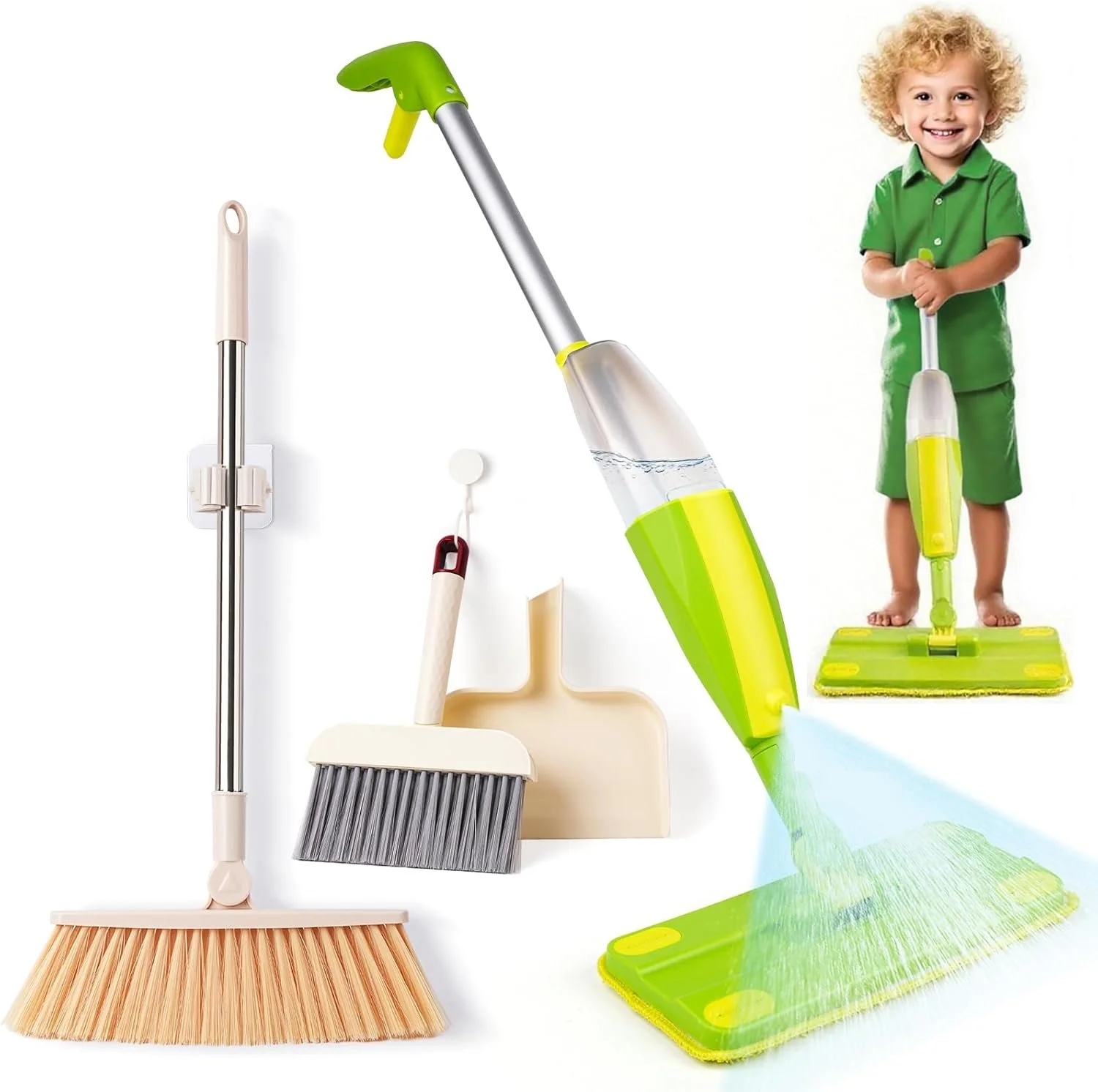
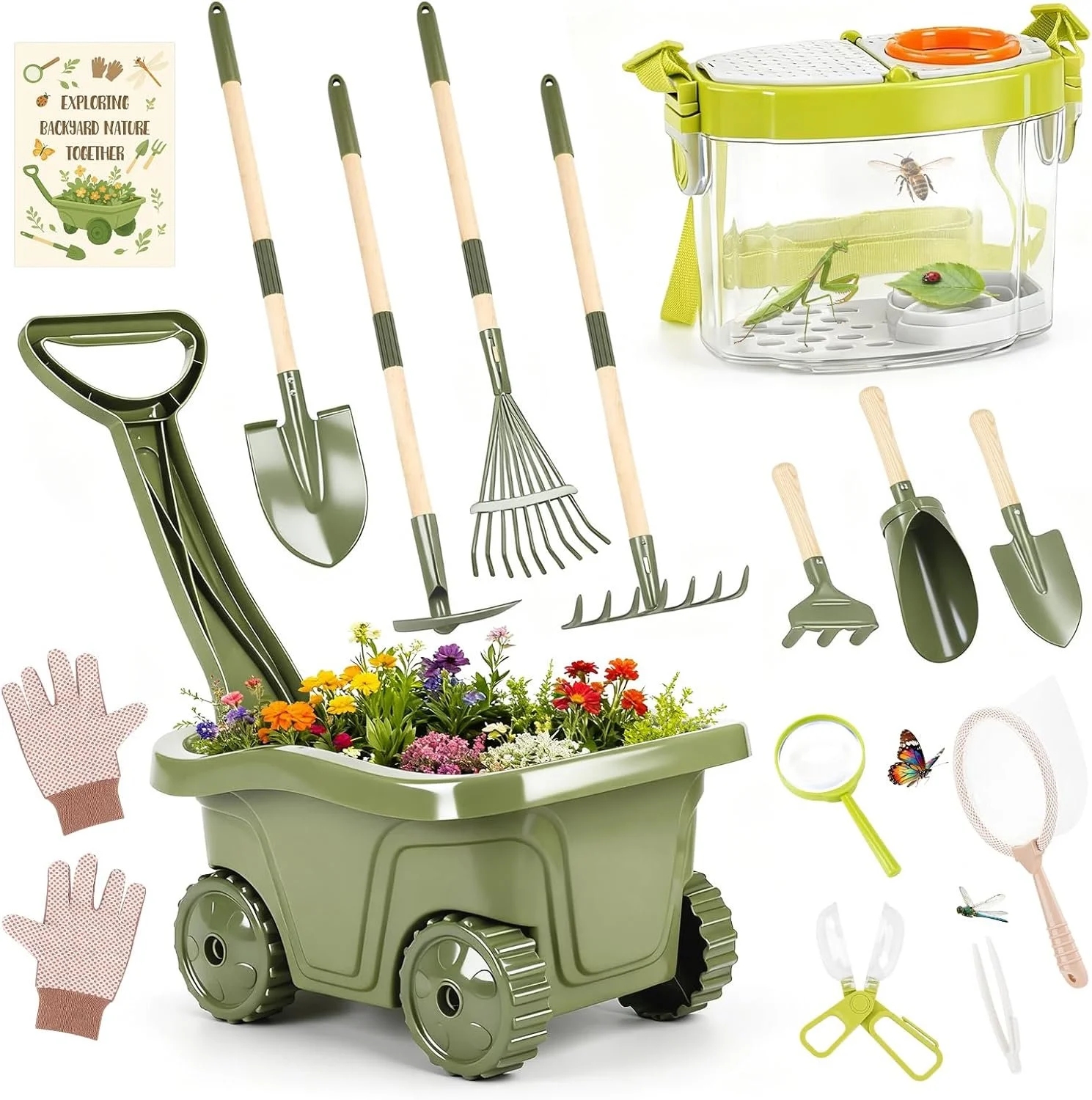

Note: I may receive a small commission from the affiliate links above.