The Secret to Surviving Long Summer Outings With Kids
Long summer outings with kids are basically an energy management problem disguised as a fun day.
Because the meltdown usually isn't random.
It's predictable.
Too hot.
Too hungry.
Too overstimulated.
Too much waiting.
Too much walking.
Too tired on the drive home.
And I think a lot of parents accidentally pack for activities.
When what we actually need to pack for is phases.
Because the needs at:
8:30am in the car
are completely different from:
2:00pm in the heat
which are VERY different from:
8:15pm after a long day when everyone suddenly collapses emotionally.
Whether you're heading to an amusement park, a summer festival, a community fair, a long park day, or a parade-and-fireworks celebration, the pattern is usually the same:
Excitement early.
Heat and stimulation in the middle.
Fatigue late.
Recovery on the way home.
The details change.
The friction points don't.
So instead of thinking:
"What should I bring?"
I think:
"What problems are most likely to happen during each phase of the day?"
That one shift changes everything.
Before You Pack Anything, Know Your Child's Friction Points
Not all summer outing meltdowns happen for the same reason.
Some kids struggle most with waiting.
Others struggle with heat.
Some do great all day and completely fall apart when they're tired.
Before packing, think about the last few difficult outings and ask:
What usually causes the first problem?
If your child struggles with:
Waiting → pack engagement tools
Heat → prioritize cooling strategies
Hunger → overpack protein and hydration
Noise and crowds → build in sensory breaks
Transitions → prepare them for what comes next
The goal isn't to prevent every difficult moment.
It's to identify the most predictable challenges and prepare for those first.
A little observation often helps more than a bigger bag.
Phase 1: The Build-Up Phase
(Car ride there / anticipation energy)
This phase is usually:
high excitement
high energy
low patience
This is where:
"How much longer?"
starts immediately.
The goal here is not maximum entertainment.
It's reducing friction before the real day even begins.
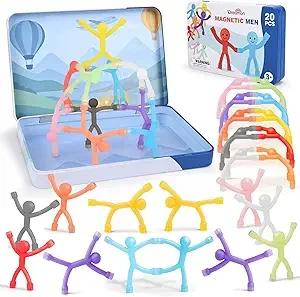
Low-Mess Engagement
Not giant activity bags.
Just enough to smooth the transition.
Good options:
Coloring books
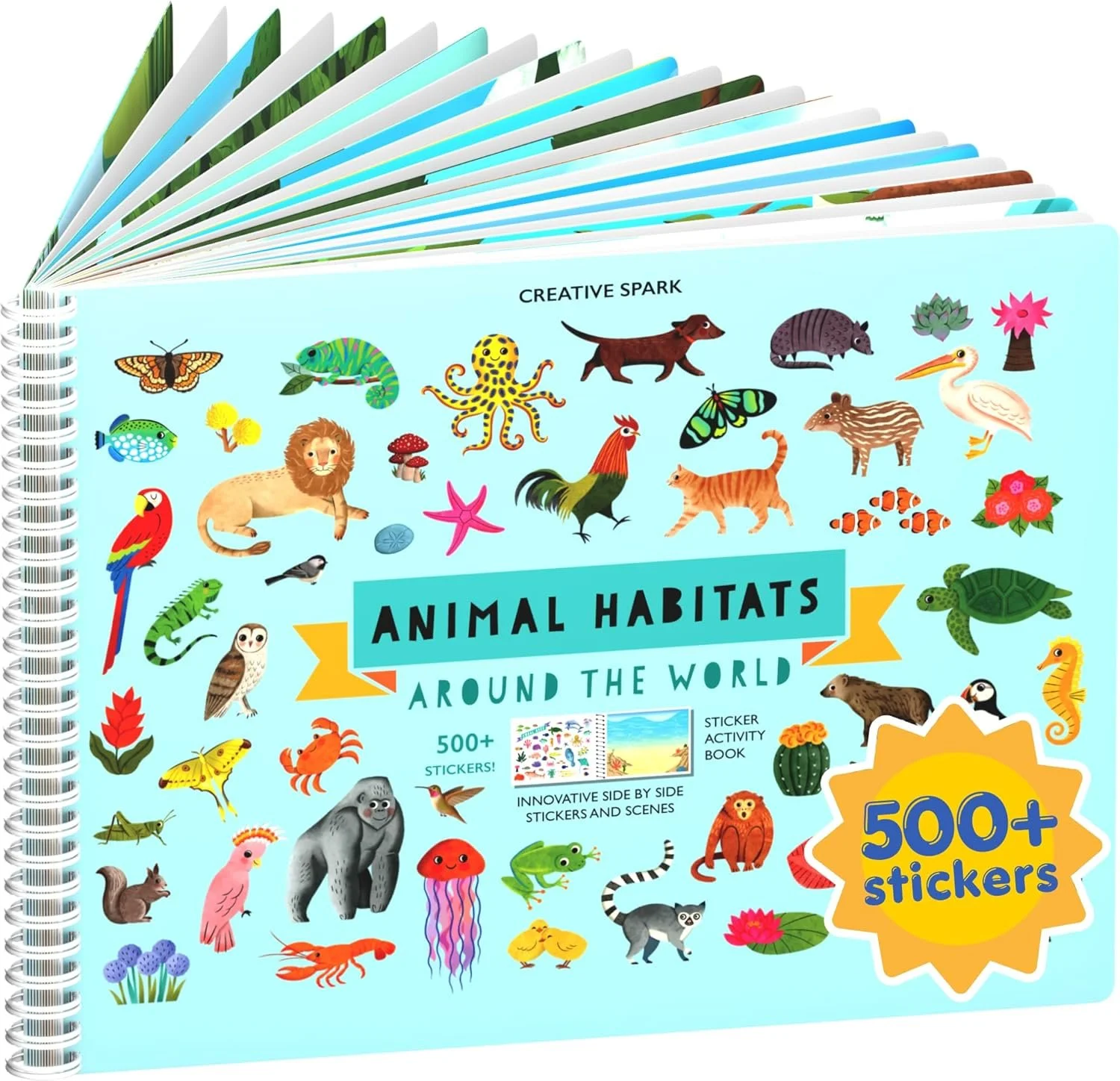
Sticker books
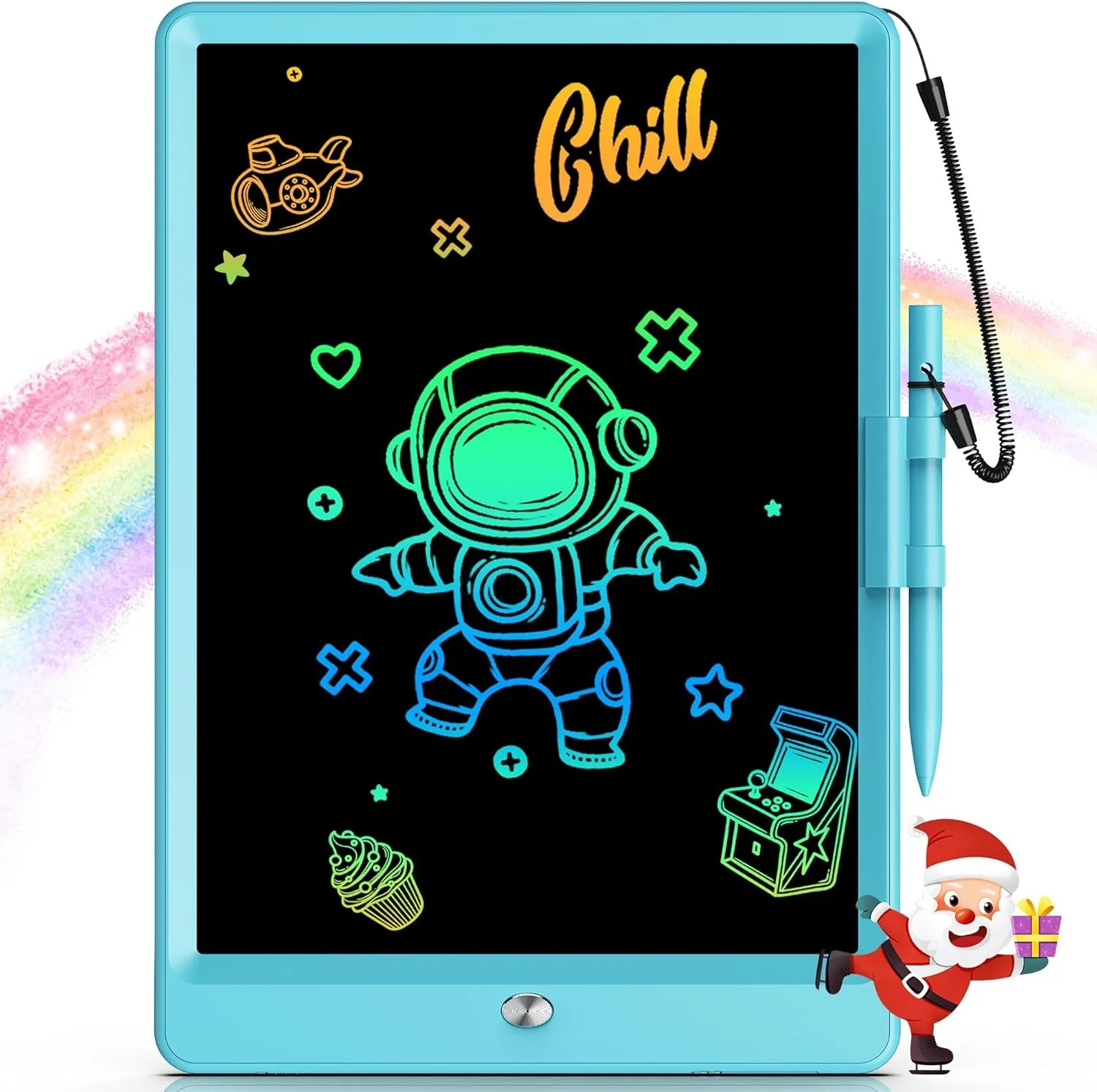
LCD drawing tablets
Audiobooks
Simple travel games
Minimal pieces.
Minimal management.
High replay value.
Blood Sugar Stability
This matters more than people realize.
A lot of what looks like behavior problems at festivals, fairs, and theme parks is actually:
heat + hunger + overstimulation
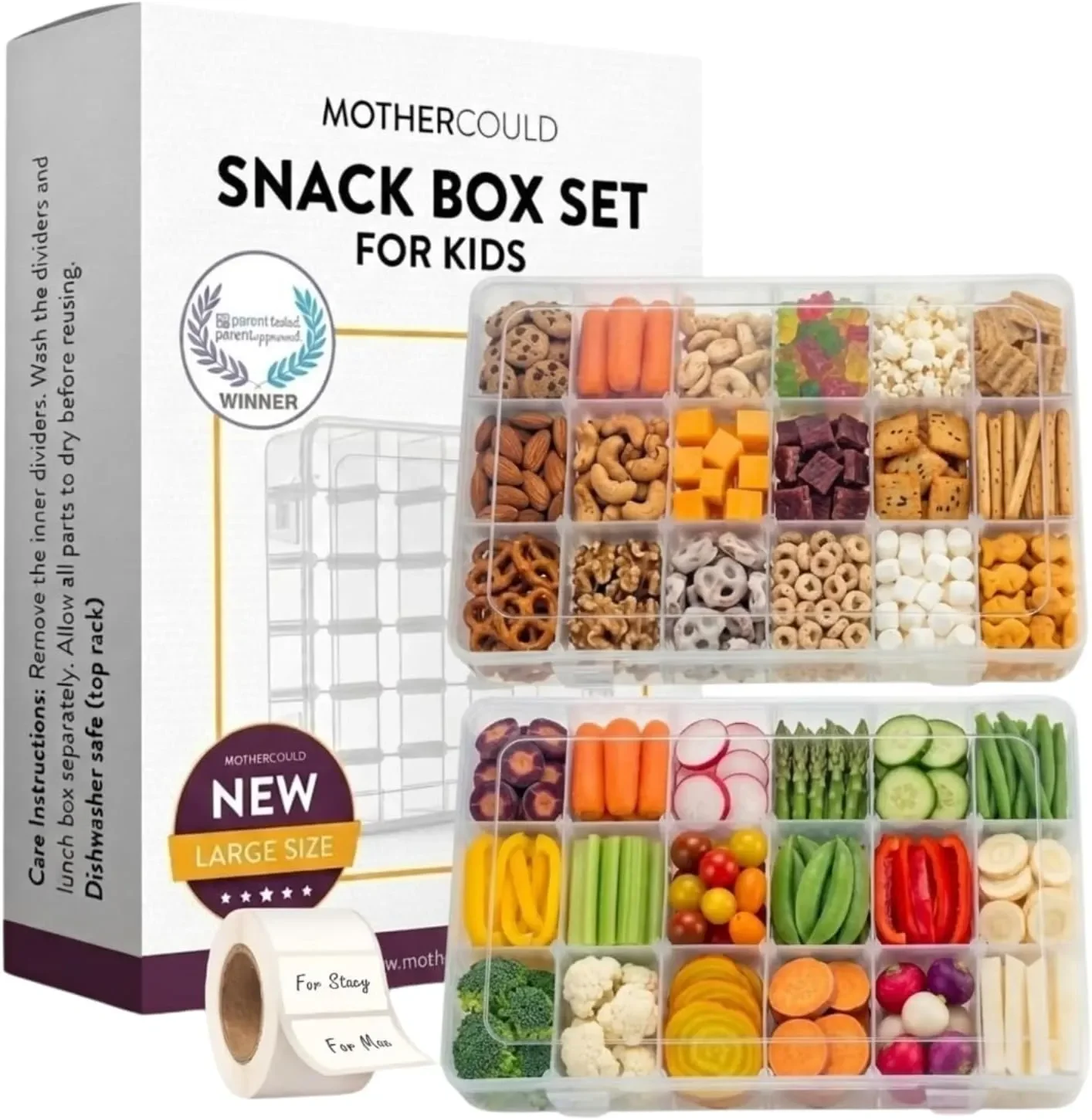
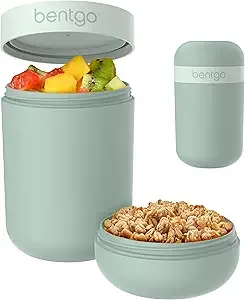
I try to bring:
Protein
Salty snacks
Cold snacks
Easy grab-and-go foods
Not just sugar.
Because the crash comes fast in the heat.
Phase 2: The Peak Heat Phase
(The middle of the day)
This is the survival phase.
Most of the day's problems happen here.
Not because the event is bad.
Because kids hit cumulative overload.
Heat.
Walking.
Waiting.
Noise.
Crowds.
Sun.
Impulse buying.
Dehydration.
Sweat.
Siblings.
So this phase is less about fun and more about preventing systems failure.
My Main Goal: Lower Recovery Time
Meaning:
How quickly can we reset after stress?
Because stress isn't the problem.
Everyone experiences stress.
The question is whether kids have opportunities to recover before the next challenge arrives.
The 15-Minute Rule
One thing I've noticed is that kids rarely recognize they're reaching their limit.
They don't usually say:
"I'm becoming overstimulated."
Instead they start arguing with siblings.
Ignoring directions.
Getting emotional over something small.
That's why I try to schedule short recovery breaks before anyone actually needs them.
Every hour or two, we intentionally pause for:
A drink
A snack
A bathroom break
A shady bench
A few quiet minutes
These breaks often last less than 15 minutes.
But they prevent the kind of overload that can derail the rest of the day.
Think of them as preventative maintenance rather than emergency repairs.
Things That Matter More Than You Think
Sanitizer + Wipes
At the ready.
Easy to deploy.
Kids will not delay their first bite once the food is in sight.
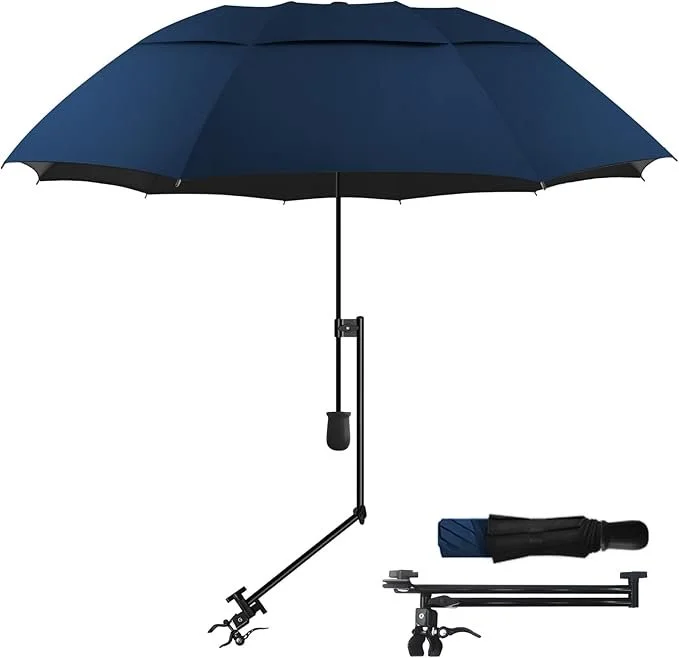
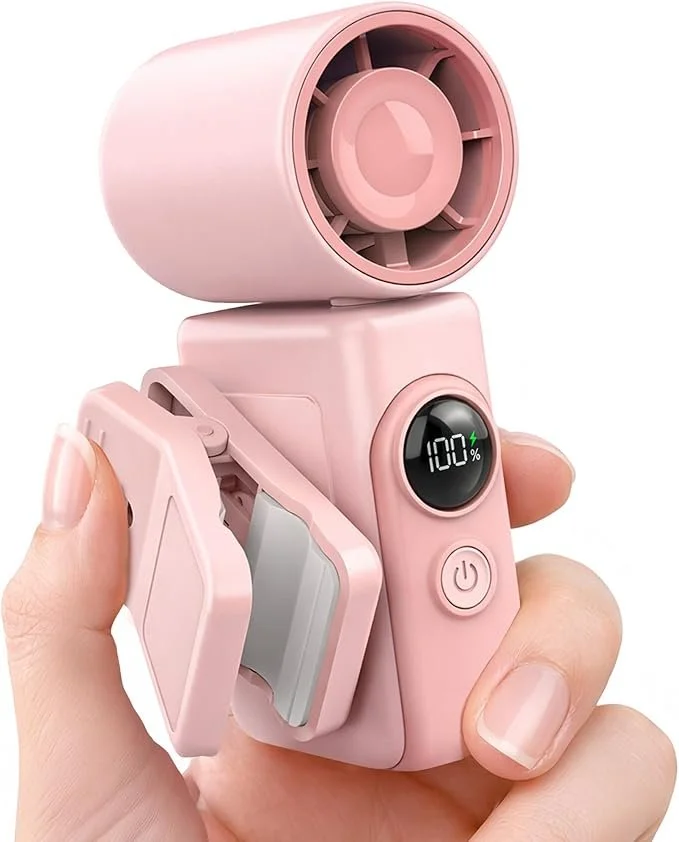
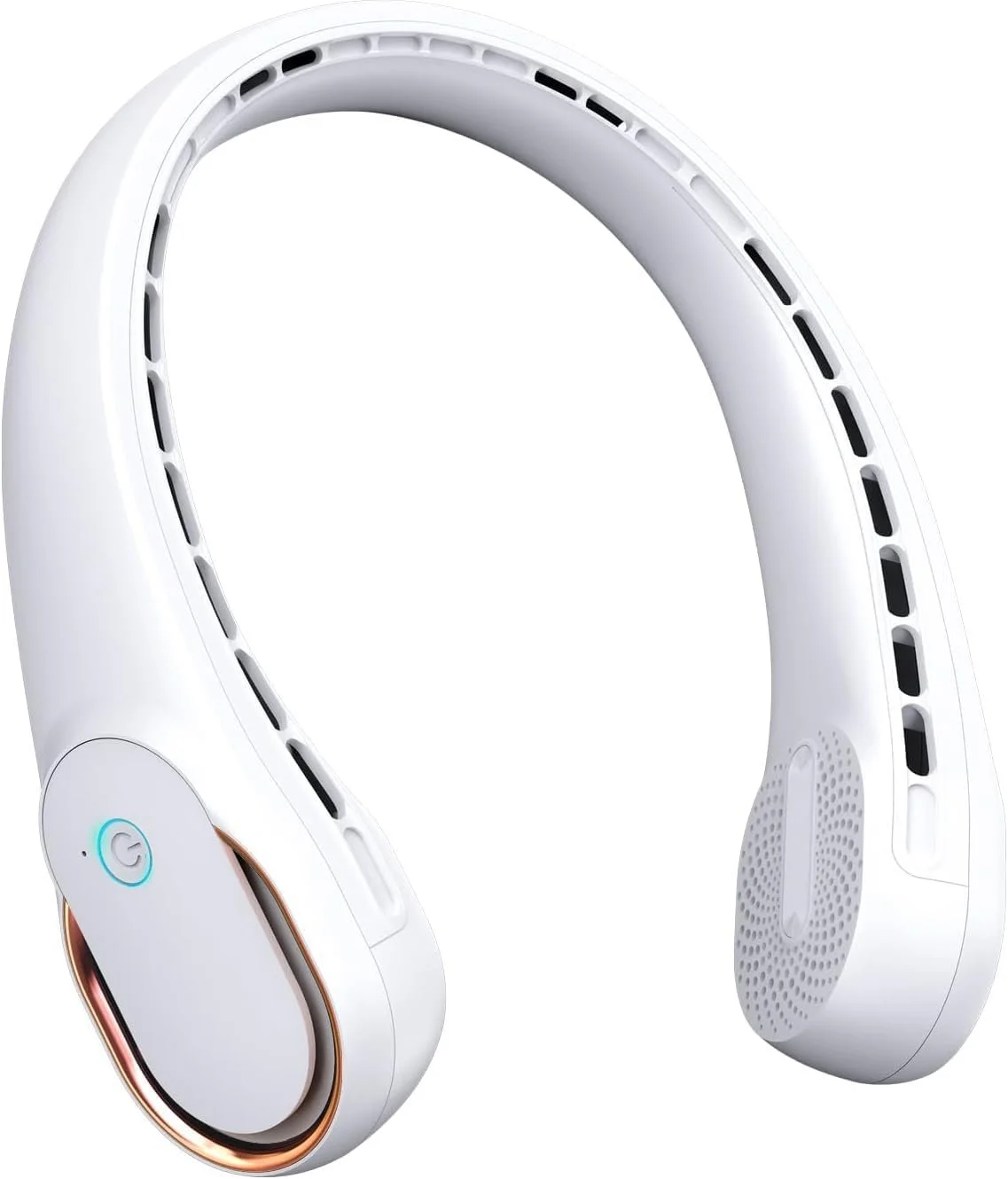
Portable Shade
Stroller umbrella.
Clip-on fan.
Cooling towels.
Neck fan.
Anything that interrupts heat buildup.
Tiny Sensory Resets
This is especially important for younger kids.
Sometimes all they need is:
A cold drink
Sitting down
Shade
A quiet snack
A fidget item
Five minutes of regulation
before they can rejoin the fun.
[Affiliate products]
One thing I've noticed:
The families doing best at theme parks aren't usually the ones maximizing every minute.
They're the ones pacing energy well.
Phase 3: The Energy Crash
(Late afternoon / evening)
This phase sneaks up on people.
Kids stop coping well.
Parents stop coping well.
Everyone gets emotionally thinner.
This is where preparation matters most.
Because now the goal shifts from:
maximizing fun
to
preserving the landing.
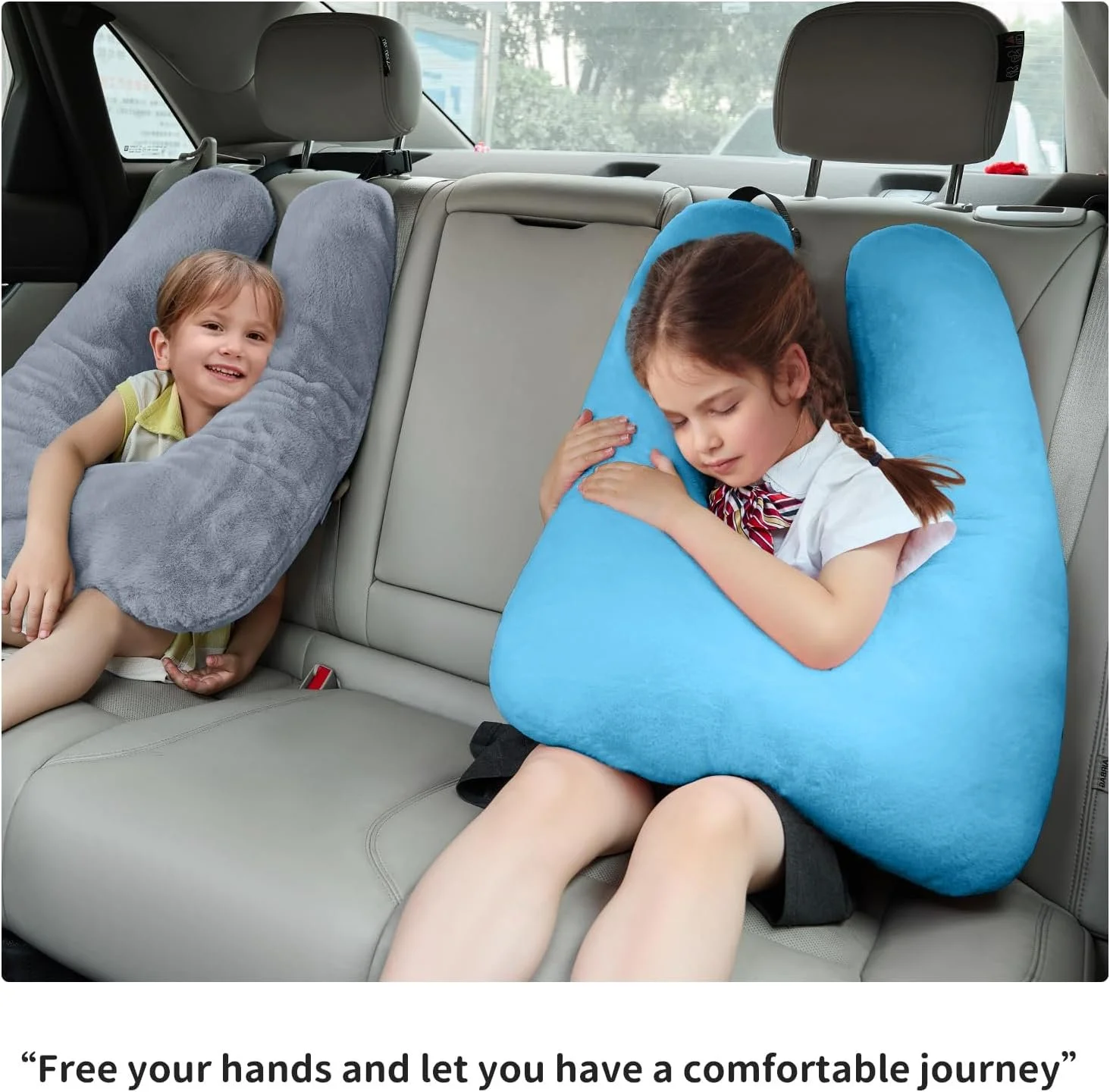
Comfort Layers
Because exhausted kids suddenly get cold.
Even after hot days.
Oversized sweatshirts.
Light blankets.
Extra socks.
Comfort changes everything at the end of a long day.
Backup Hydration
The dehydration crash often hits late.
Especially after:
sun + salt + sugar + walking
A lot of late-day crankiness is simply a tired body asking for recovery.
Emergency Morale Boosts
This is where I strategically hold things back.
Not all snacks should appear early.
Not all activities should appear early.
Late-stage novelty is incredibly valuable.
A new snack.
A surprise treat.
A forgotten coloring activity.
A small comfort item.
Sometimes that's all it takes to bridge the gap to the finish line.
Phase 4: The Re-Entry Phase
(The drive home)
This phase is massively underrated.
Because this is the emotional memory phase.
Not just:
"Did they have fun?"
But:
"How did the experience end?"
And endings disproportionately shape how experiences are remembered.
The drive home should feel:
soft
quiet
comfortable
low-demand
Not:
"Okay everybody hurry up."
Things That Help
Pajamas
Blankets
Dim lighting
Calm music
Audiobooks
Post-event snacks
Electrolyte drinks
Comfort items
This is recovery mode.
Not entertainment mode.
For events that end late—whether that's a concert, festival, community event, or fireworks show—I treat the last hour as a transition phase rather than an entertainment phase.
Everyone is running on fumes.
The goal isn't squeezing in one more exciting thing.
The goal is helping everyone get home in one piece.
And honestly?
Some of the sweetest summer memories happen here.
Half-asleep kids.
Sticky popcorn hands.
Sun-kissed cheeks.
Everyone exhausted in the backseat.
That's the emotional exhale.
What I Don't Pack Anymore
After enough long summer outings, I've learned that bringing more stuff isn't always the answer.
A few things I personally avoid:
Large toys with lots of pieces
Activities that require parent setup
Messy snacks
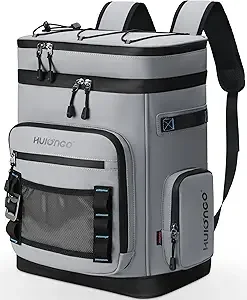
Heavy items that have to be carried all day
Too many choices
Sometimes six entertainment options create more decision fatigue than one or two reliable favorites.
Simple, familiar, easy-to-access items usually get used far more than the elaborate things I thought would be exciting.
The Real Shift
The biggest mindset shift for me was realizing:
I don't need to pack for every possible scenario.
I need to pack for predictable friction points.
That's different.
Because now you're not carrying random stuff.
You're designing support systems for:
Heat
Waiting
Fatigue
Hunger
Transitions
Recovery
Kids don't need a perfectly planned day.
They need enough support to move through the predictable hard parts.
A little shade.
A little food.
A little rest.
A little flexibility.
Those things often matter more than another attraction, another activity, or another attempt to maximize every minute.
When you start planning for energy instead of entertainment, long summer outings become dramatically more manageable.
Not because parenting got easier.
Because the system got smarter.
Shop Ideas From This Retro



Note: I may receive commission from the affiliate links in this article.