How Water Play Turned Into Memorable Summer Days
Why the moments kids remember most are rarely the ones we spend the most on
A few summers ago, I realized something.
The activities my kids remembered most weren't the expensive ones.
They weren't the amusement parks.
They weren't the special events.
They weren't the carefully planned outings.
The things they talked about months later were often surprisingly simple.
A neighborhood kickball game.
Sleeping in the backyard.
Turning the driveway into a giant chalk city.
And one of the biggest hits of all:
Water Day.
Not a trip to a water park.
Not a vacation.
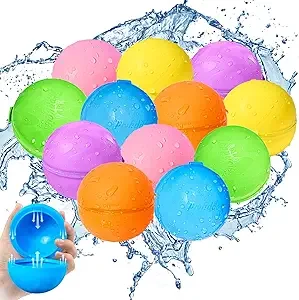
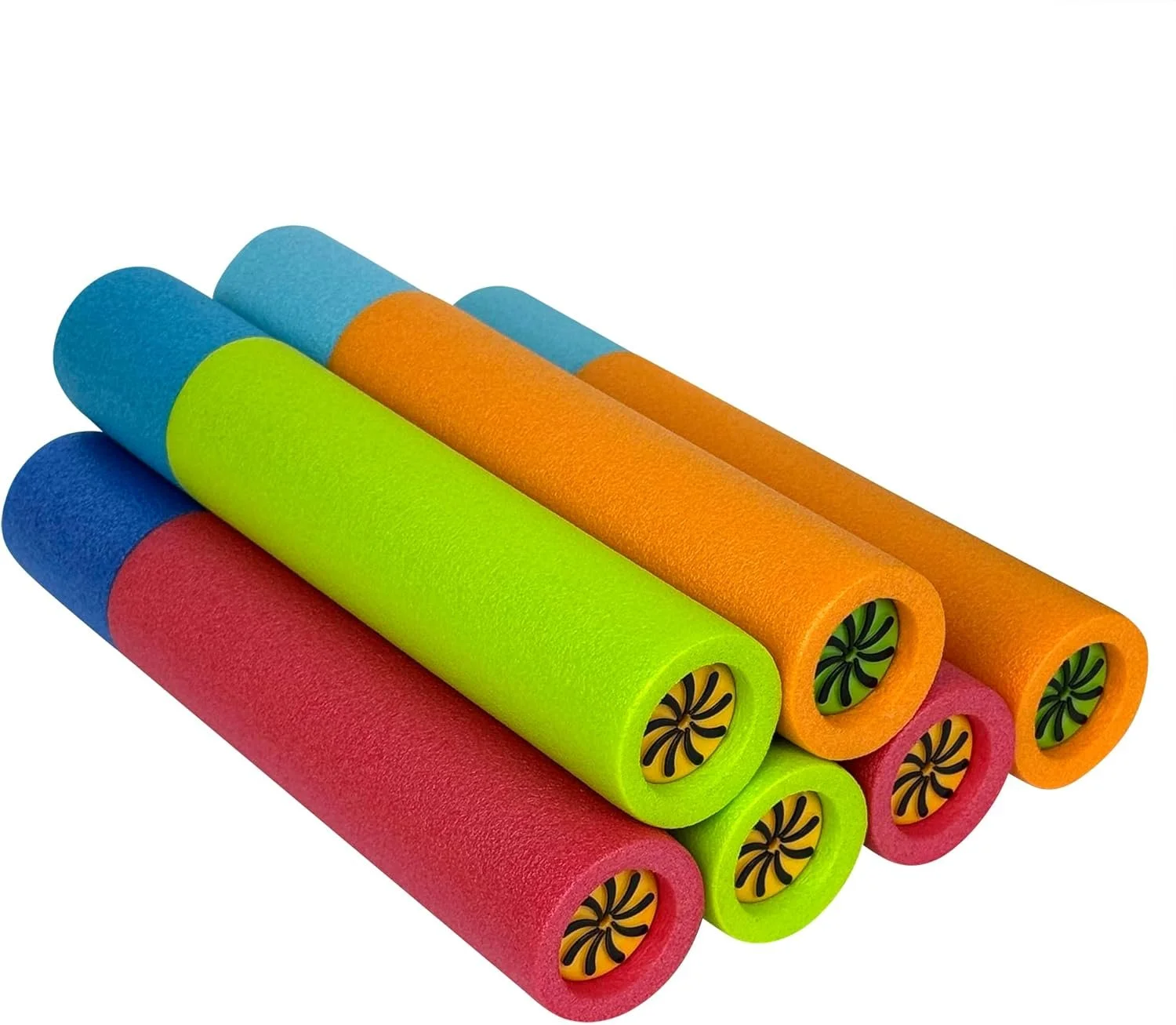
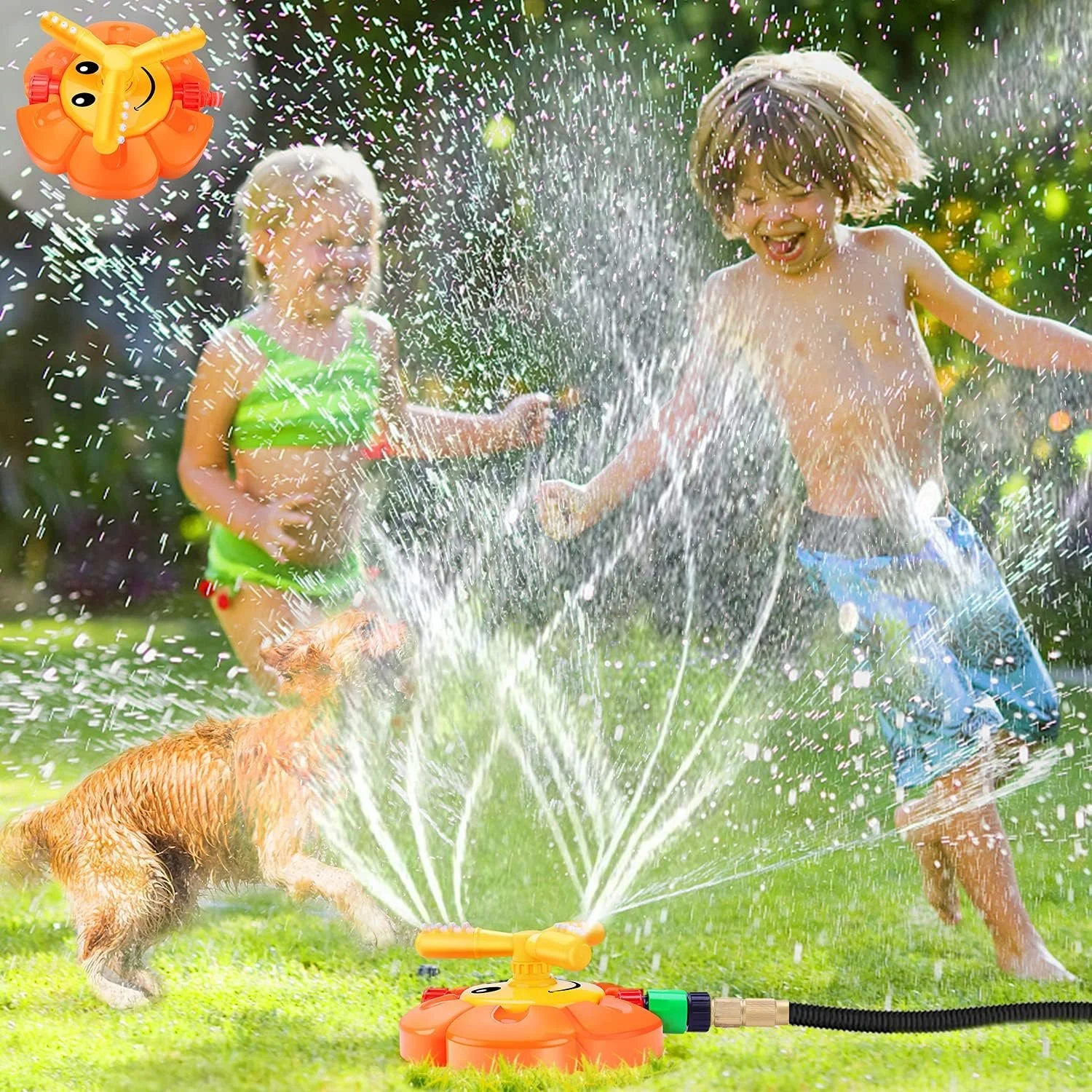
Just sprinklers, water balloons, buckets, hoses, and a bunch of kids running around outside.
Since then, I've become convinced that Water Day is one of the highest-leverage summer traditions a family can create.
Because it's not really about the water.
It's about everything the water creates.
The Best Family Activities Solve Multiple Problems at Once
One idea that comes up frequently in our family is what I call stacking benefits.
The strongest family systems aren't built around activities that accomplish one thing.
They're built around activities that accomplish many things at the same time.
A family walk isn't just exercise.
It's conversation.
Fresh air.
Stress reduction.
Movement.
Connection.
Water Day works the same way.
At first glance, it looks like simple entertainment.
But underneath the surface, it's solving for a surprising number of things parents want more of.
Outdoor time.
Physical activity.
Social interaction.
Creativity.
Less screen use.
Family connection.
Community.
Summer memories.
All from one recurring event.
It Makes Outside More Interesting Than Screens
Parents spend a lot of energy trying to pull kids away from screens.
The challenge is that "go play outside" often isn't very compelling on its own.
Water changes that.
Kids don't head outside because they're told to.
They head outside because something exciting is happening there.
A sprinkler suddenly becomes a destination.
A hose becomes a game.
A bucket becomes part of an invention.
The goal isn't to fight screens.
The goal is to make real life more interesting.
Water Day does exactly that.
It Creates Connection Across Ages
One thing I love about water play is how naturally it brings different ages together.
A preschooler can run through a sprinkler.
An older sibling can organize a water balloon battle.
Parents can join for a few minutes—or get completely soaked.
Everyone participates at their own level.
In a world where so much of childhood is separated by age, Water Day creates opportunities for shared experiences.
And shared experiences are often where connection grows.
Not through lectures.
Not through scheduled bonding.
Just through having fun together.
It Encourages the Kind of Play Kids Need More Of
Most of childhood today is highly structured.
Sports have coaches.
Activities have schedules.
Games have rules.
Water Day invites something different.
Unstructured play.
Give kids a hose, a few buckets, some sponges, and enough time.
They'll invent challenges.
Create competitions.
Build systems.
Solve problems.
Negotiate rules.
Adjust when things don't work.
The developmental benefits happen naturally because the activity leaves room for imagination.
The kids do the rest.
It Creates Community Without Trying Too Hard
Something interesting happens when water appears in a front yard.
Kids notice.
Neighbors wander over.
Parents stop to chat.
People linger longer than they normally would.
Many families want more community but struggle to create it.
The challenge isn't usually willingness.
It's having a reason to gather.
Water Day provides one.
A sprinkler can become surprisingly effective social infrastructure.
It's More Affordable Than Most Summer Entertainment
A family trip to a water park can easily cost hundreds of dollars.
And that's before snacks, parking, and everything else.
Water Day requires some upfront supplies.
A sprinkler.
A few reusable water toys.
Maybe some buckets and balloons.
But once you have them, you can use them again and again.
The cost per memory drops quickly.
And unlike many entertainment options, the novelty doesn't disappear after one use.
Kids are remarkably willing to play the same water games over and over throughout the summer.
It Creates Anticipation
One of the hidden benefits of family traditions is that they don't just create enjoyment on the day itself.
They create enjoyment beforehand.
Kids start talking about Water Day days before it happens.
They invite friends.
They make plans.
They imagine new games.
A recurring tradition creates anticipation, and anticipation is part of the experience.
You get more value than the hours the activity actually occupies.
It Helps Summer Feel Like Summer
One thing I've noticed as an adult is how easily seasons blend together.
Life becomes one long continuous routine.
Kids need markers.
Things that signal:
"This is summer."
Not because they're necessary.
Because they're memorable.
Water Day creates a rhythm.
A recurring event that separates one season from another.
Years later, children may not remember which specific Saturday the giant water balloon battle happened.
But they'll remember that Water Day was something your family did.
And that's often what traditions become.
Not individual memories.
A collection of moments that turn into part of your family's story.
Start Smaller Than You Think
The good news is that Water Day doesn't need to be elaborate.
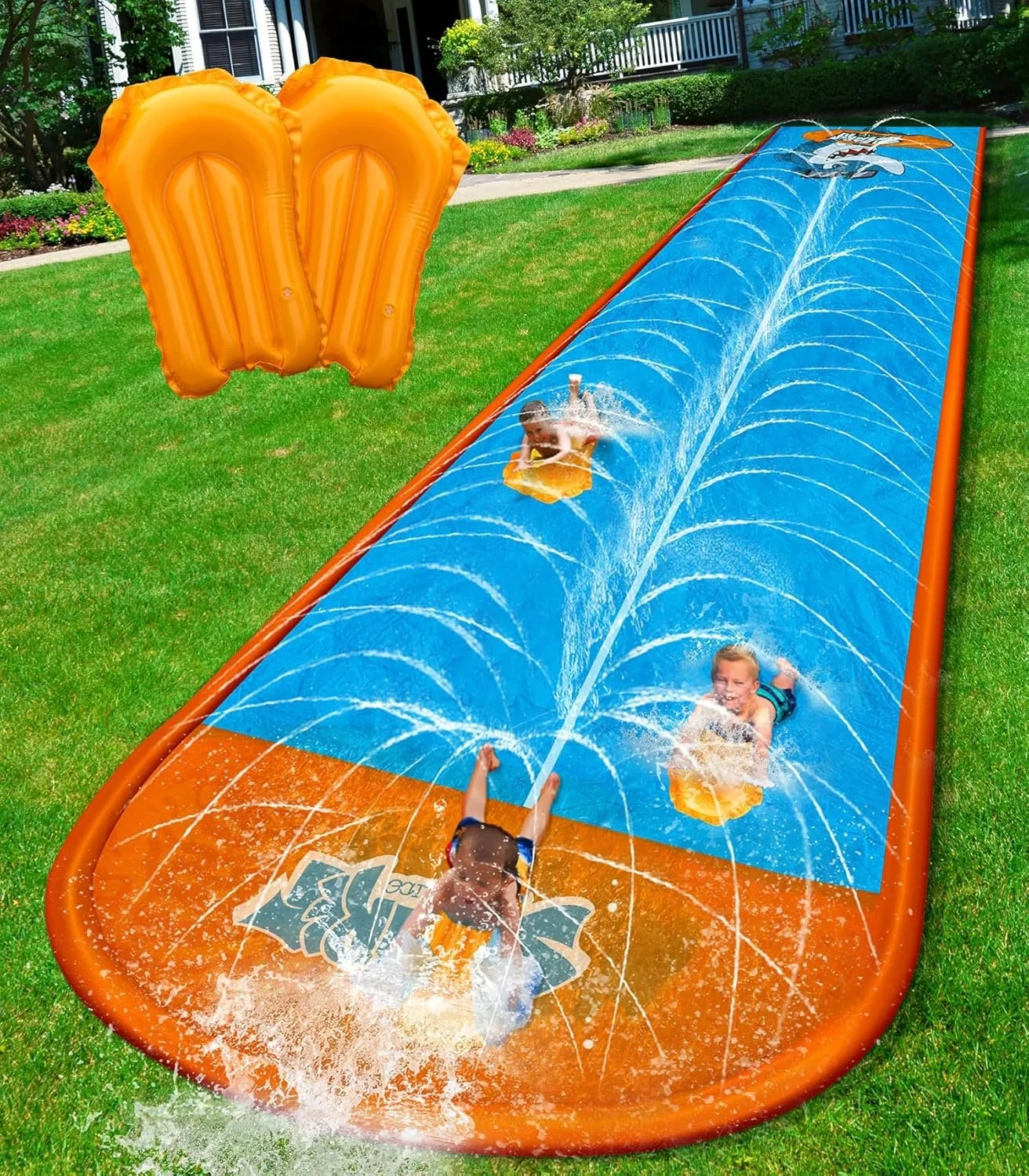
You don't need inflatable obstacle courses.
You don't need a huge budget.
You don't even need much planning.
A hose.
A sprinkler.
A few buckets.
A hot afternoon.
That's enough.
Because the magic isn't in the equipment.
It's in creating a simple, repeatable tradition that gives people a reason to gather, laugh, connect, and make memories together.
And sometimes the best family systems start with something as ordinary as turning on the water.
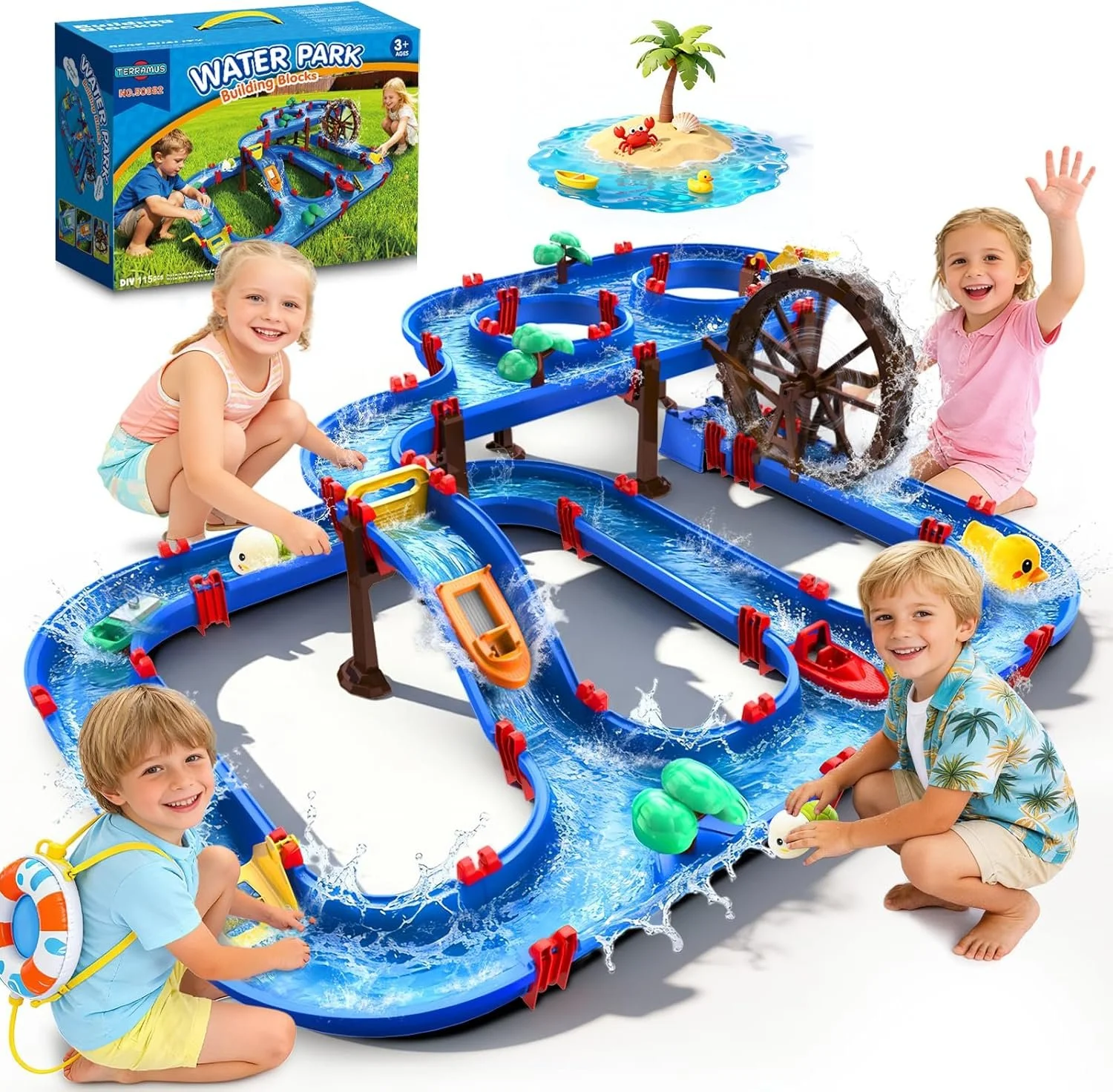
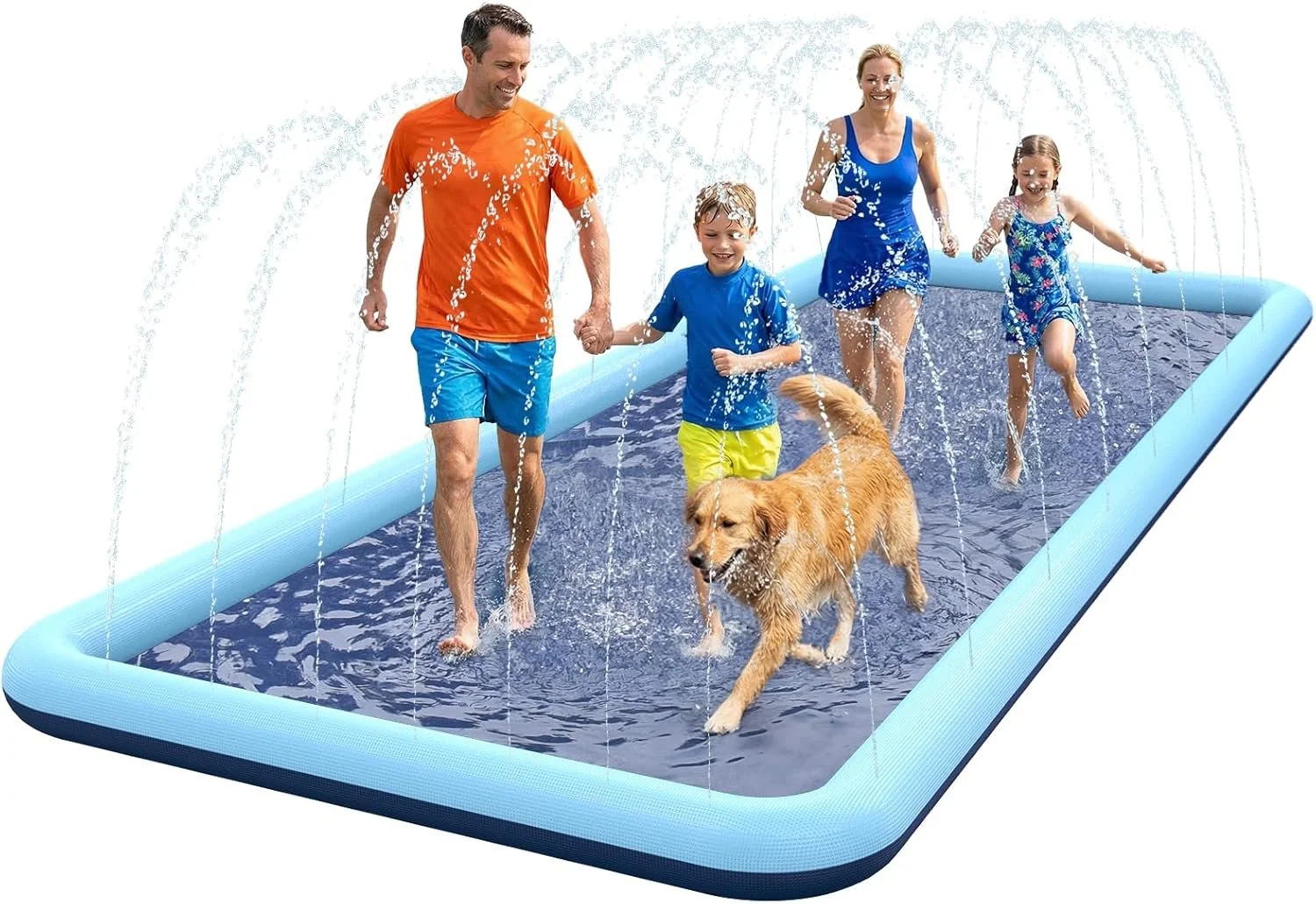
Shop Ideas From This Retro

Note: I may receive commission from the affiliate links above.