The Three Types of Boredom
And Why Parents Should Respond Differently to Each One
One thing I've noticed is that parents talk about boredom as though it's one thing.
A child says:
"I'm bored."
And we immediately start trying to solve it.
We suggest activities.
We offer screens.
We brainstorm ideas.
We become the entertainment committee.
But the more I've thought about it, the more I've realized something:
Not all boredom is the same.
And if we respond to every type of boredom the same way, we miss opportunities to help our kids develop independence, creativity, and problem-solving skills.
Interestingly, many child development experts argue that boredom itself isn't actually the problem.
In fact, boredom can help children develop creativity, imagination, self-direction, and resilience because it creates space for them to figure out what to do next on their own.
The challenge is recognizing what kind of boredom we're dealing with.
Because some boredom needs a bridge.
Some boredom needs space.
And some boredom needs recovery.
Type 1: Transition Boredom
This is the most common type.
And it's often not really boredom at all.
It's waiting.
Kids experience transition boredom when they're:
Waiting for dinner
Riding in the car
Waiting for a sibling's activity to end
Stuck inside during a storm
In between planned activities
The issue isn't a lack of imagination.
The issue is a lack of momentum.
They're temporarily between things.
What Helps
This is where low-effort engagement tools shine.
Think:
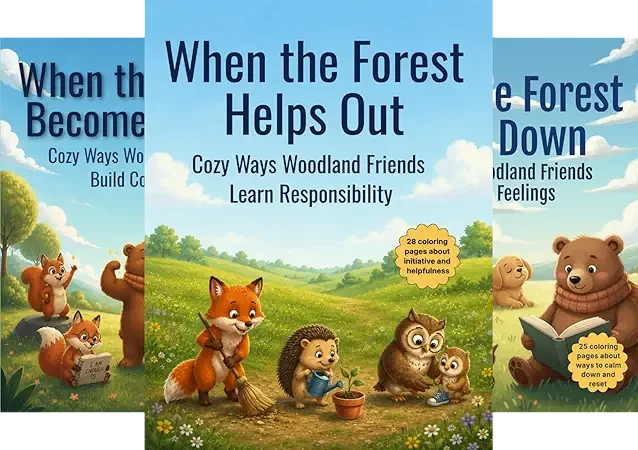
Coloring books
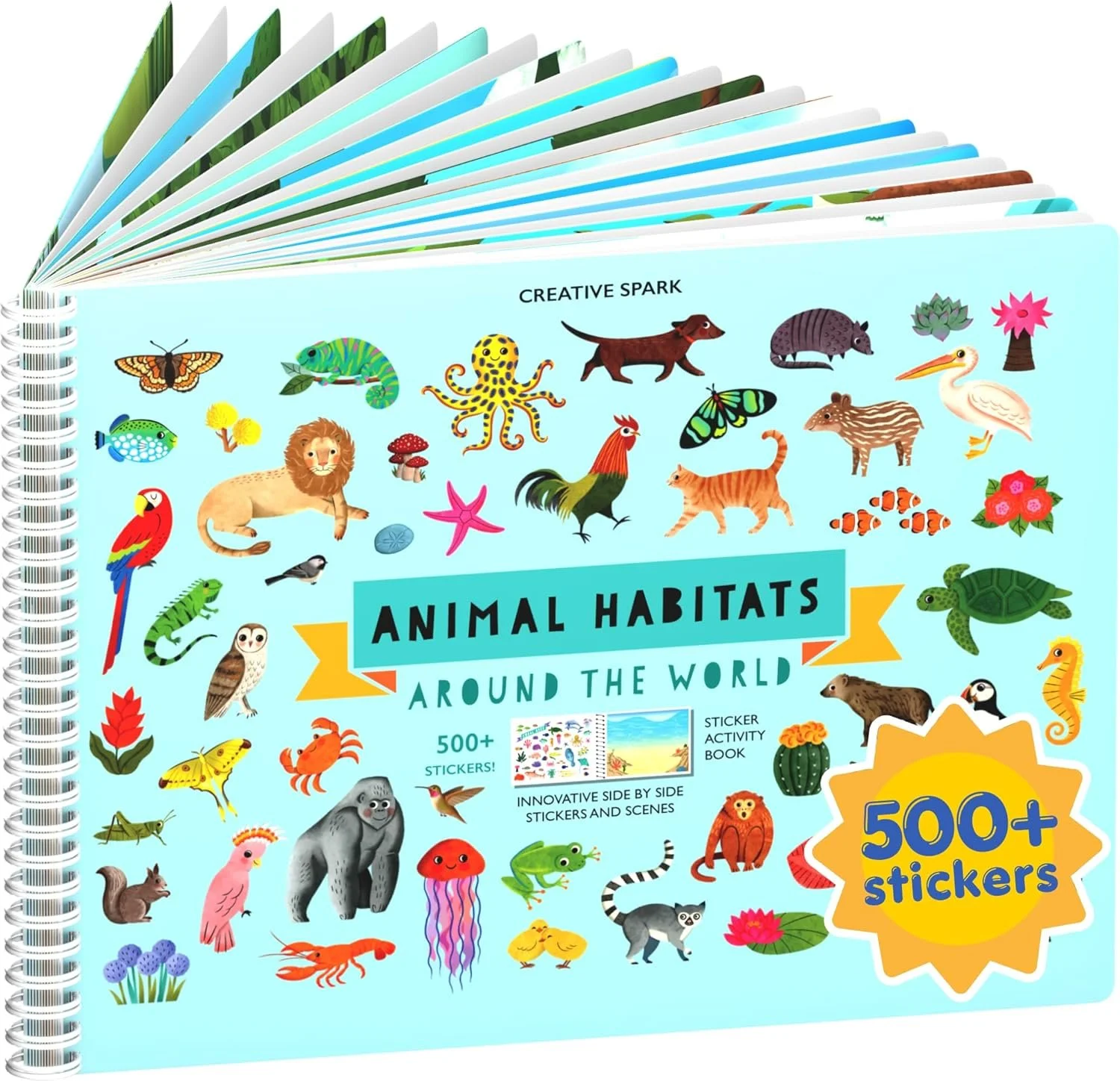
Sticker books
Audiobooks
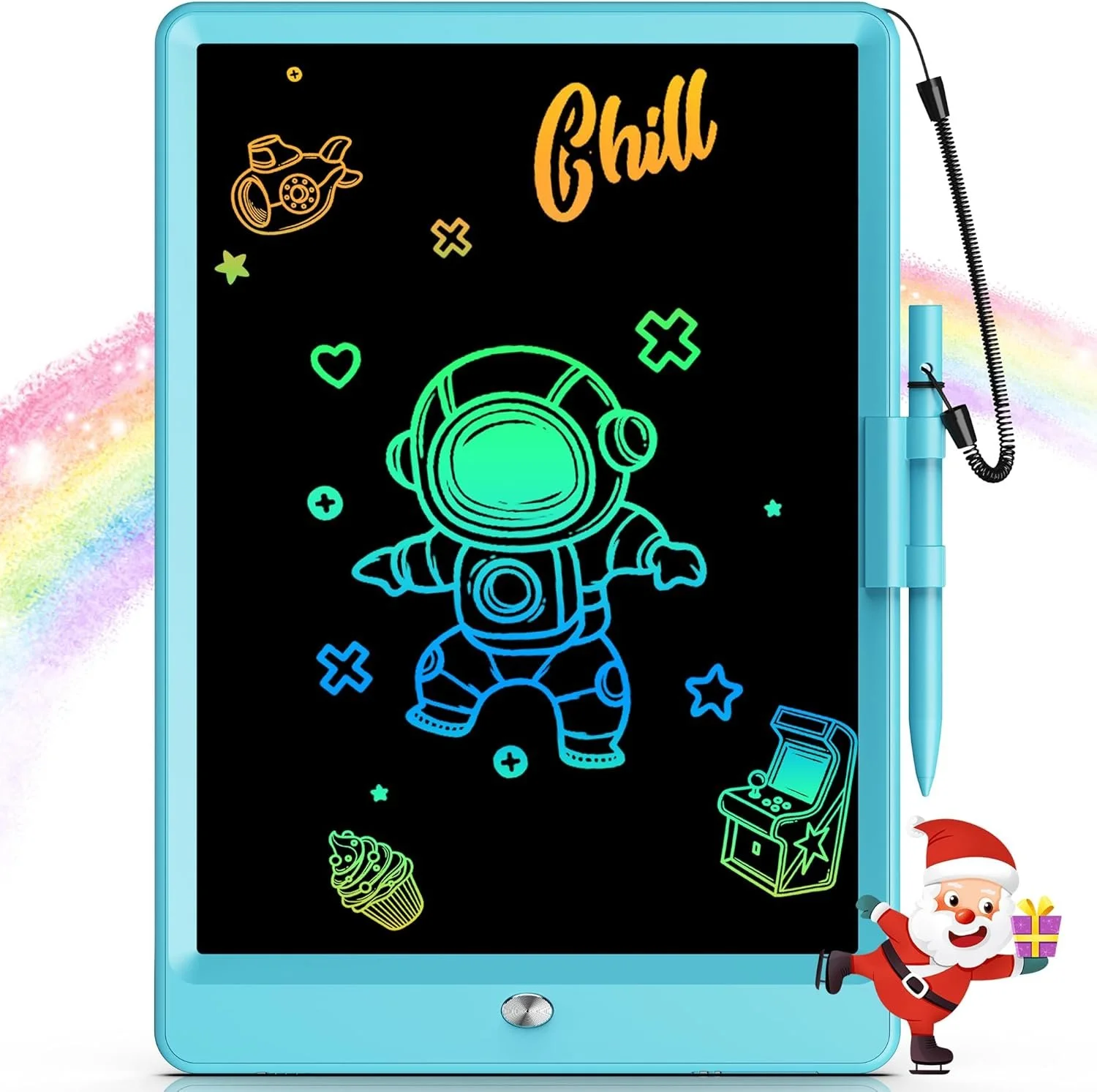
LCD drawing tablets
Travel games
Activity books
These aren't replacing creativity.
They're simply helping kids cross the bridge between one part of the day and the next.
One thing I've learned is that not every moment needs to become a lesson in independence.
Sometimes kids just need help navigating downtime.
Type 2: Creative Boredom
This is the boredom parents are usually talking about when they say:
"It's okay for kids to be bored."
Because this is where the magic happens.
Creative boredom often starts with complaints.
Then restlessness.
Then wandering.
And eventually...
Something interesting.
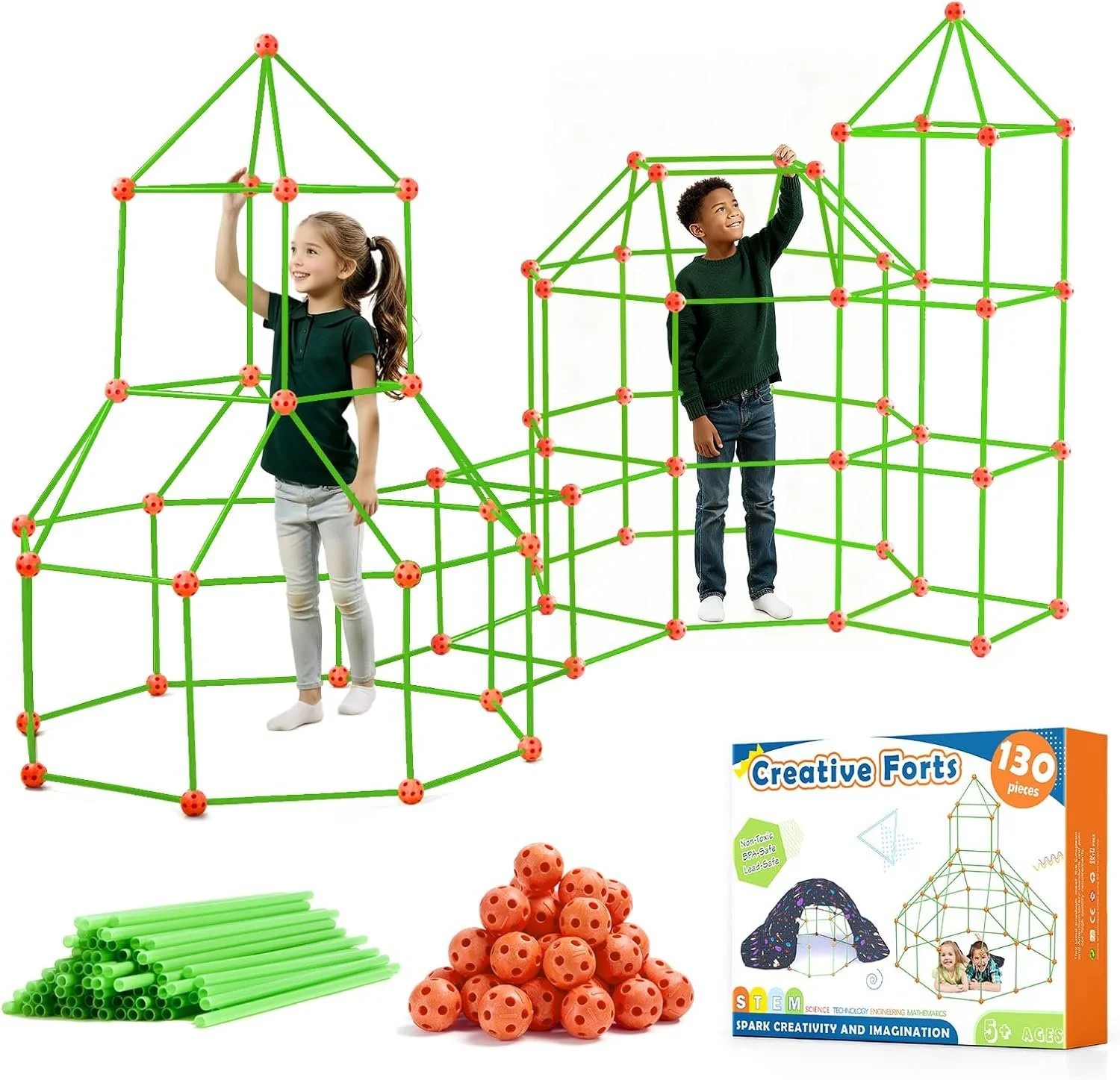
A fort appears.
A game is invented.
An obstacle course emerges.
The neighborhood kids organize themselves.
The living room becomes a veterinary clinic.
Researchers have found that boredom can encourage creativity and problem-solving because it pushes people to seek out new ideas and experiences.
In other words:
Boredom isn't the problem.
It's often the starting point.
The Boredom Window
I've started thinking about this as the boredom window.
The boredom window is the period between:
"I'm bored."
and
"I figured something out."
The problem is that many of us accidentally interrupt this window.
The moment boredom appears, we rush in with solutions.
But creativity often lives on the other side of discomfort.
If we solve boredom too quickly, kids never get the chance to solve it themselves.
What Helps
Not structured entertainment.
An environment that supports imagination.
Things like:
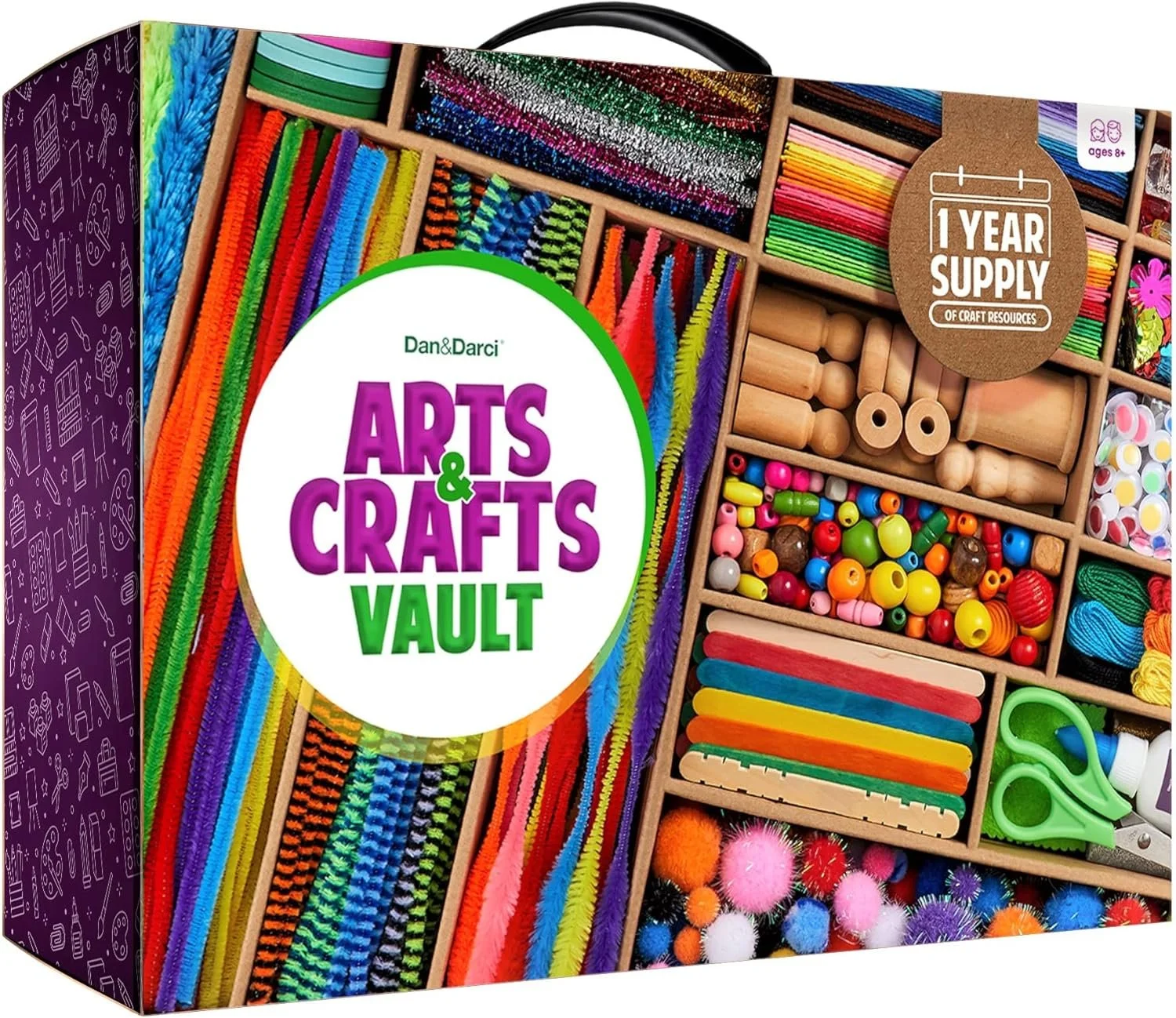
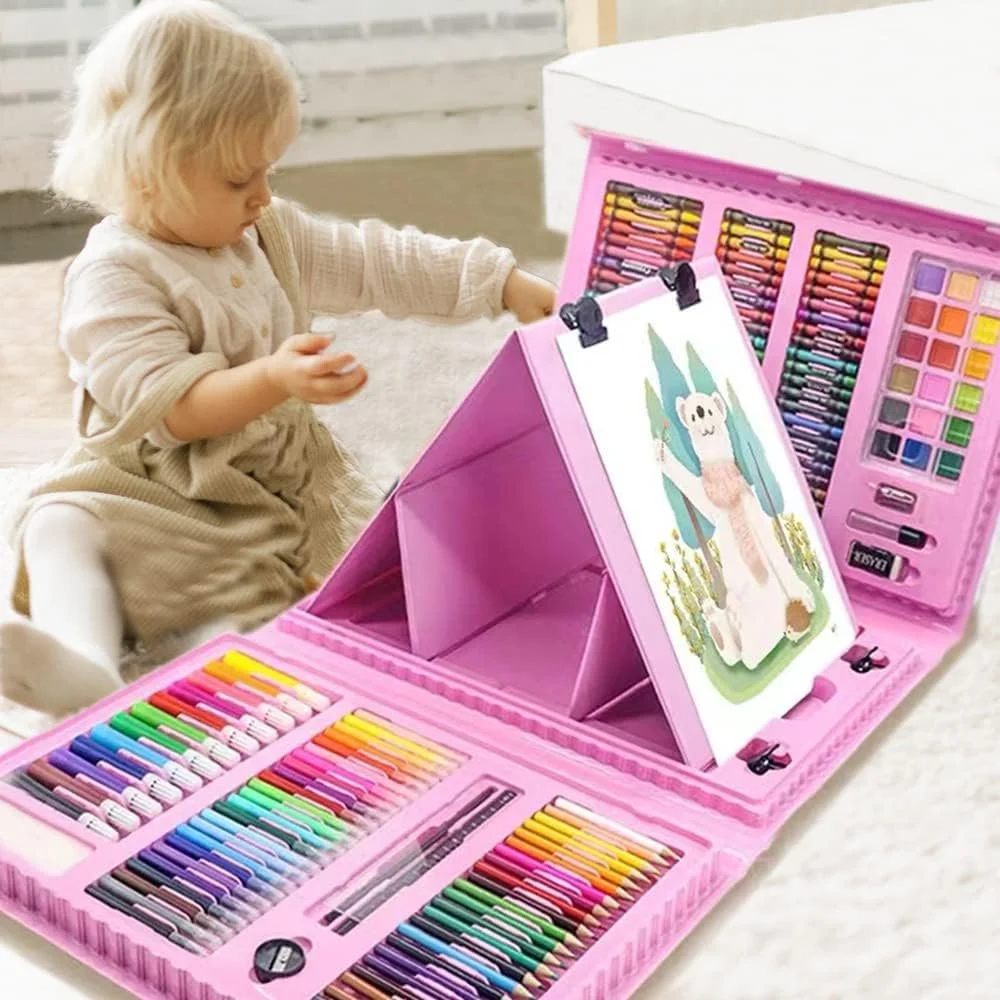
Art supplies
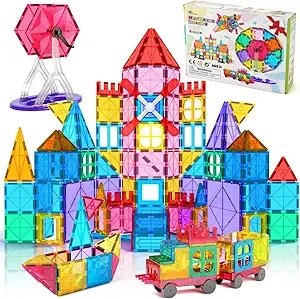
Building toys
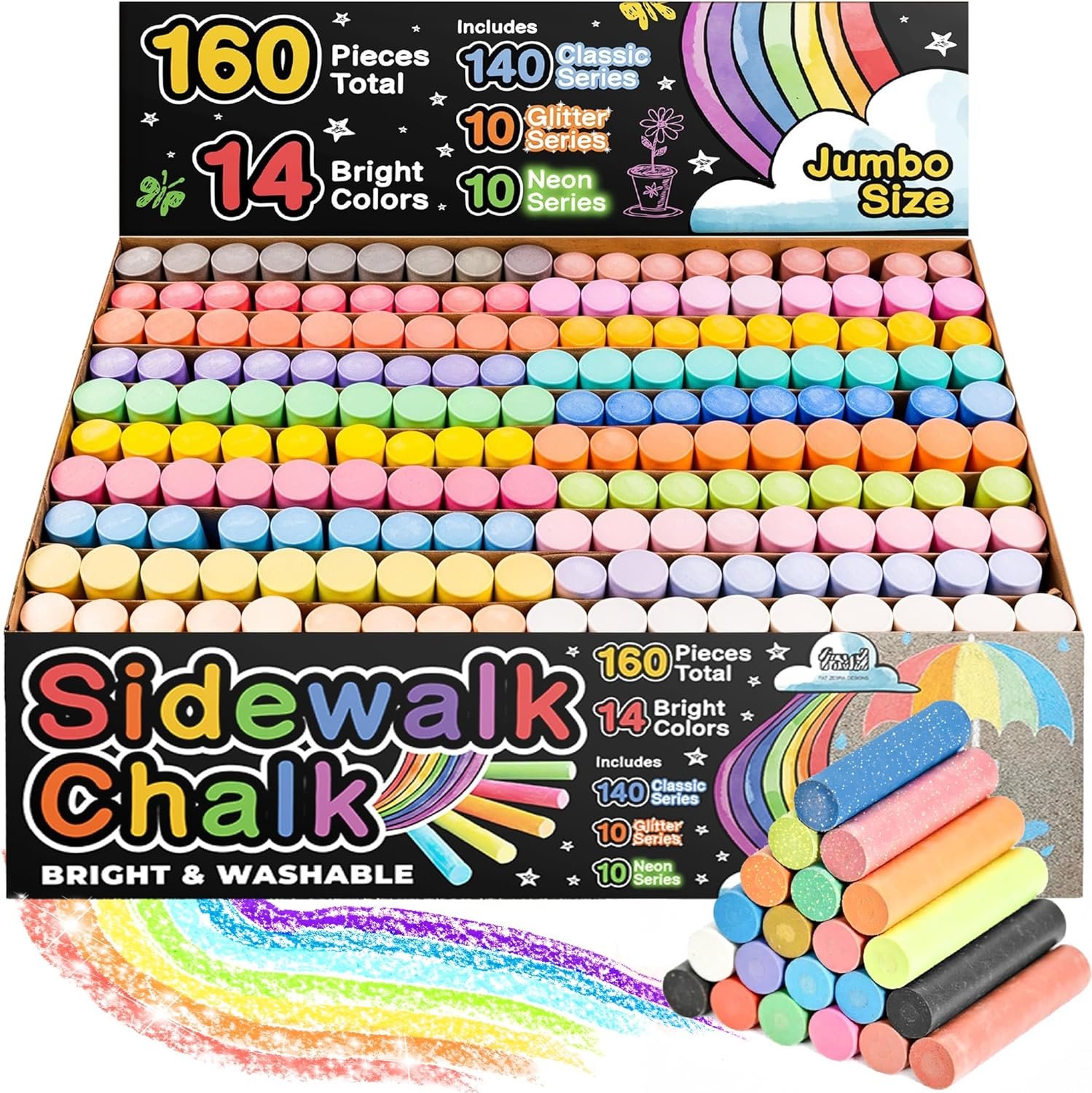
Sidewalk chalk
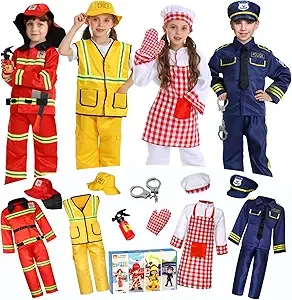
Dress-up clothes
Craft materials
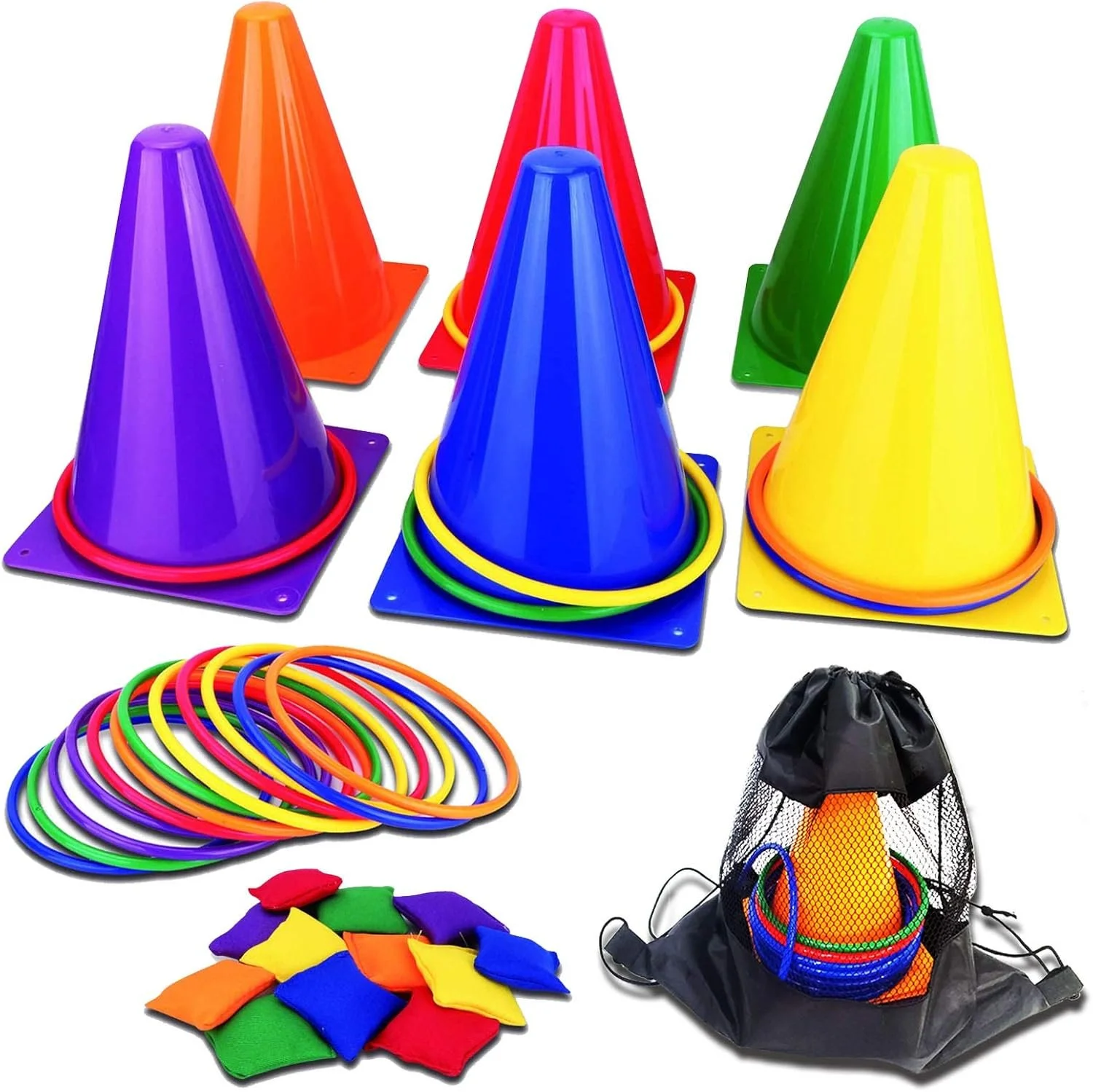
Outdoor toys
Open-ended play materials
The goal isn't to tell kids what to do.
It's to give them the raw materials to create something on their own.
Type 3: Depleted Boredom
This one is easy to miss.
Because it sounds exactly like the other two.
The child says:
"I'm bored."
But what they actually mean is:
"I'm tired."
Or:
"I'm hungry."
Or:
"I'm overstimulated."
Or:
"My brain is done."
This is often the boredom that appears:
After a long day
After summer camp
After a birthday party
During busy weekends
Following lots of social interaction
The clue is that nothing sounds appealing.
You offer activities.
They reject them.
You suggest alternatives.
They reject those too.
At that point, the problem usually isn't boredom.
The problem is depletion.
What Helps
Recovery.
Not entertainment.
Things like:
A snack
Quiet time
Reading together
A walk
Rest
Water
Early bedtime
Sometimes the most helpful response to "I'm bored" is asking:
"Are you sure you're bored?"
Because often the answer is no.
They're just running on empty.
Why Experts Aren't Worried About Boredom
One thing I found reassuring while researching this topic is that many child development experts view boredom as an important developmental experience.
Psychologists frequently point out that children don't build independence when adults constantly direct their time.
They build independence when they have opportunities to make decisions, solve problems, and generate their own ideas.
In other words:
The goal isn't to eliminate boredom.
The goal is to help children develop the skills to move through it.
That's a very different objective.
How to Create a Boredom-Friendly Home
You don't need elaborate activities.
You don't need a Pinterest-worthy playroom.
You don't need to entertain your kids all day.
What helps most is creating an environment that makes independent play easier.
I think of this as reducing friction.
Make creative materials easy to access.
Keep outdoor toys visible.
Leave art supplies within reach.
Create opportunities for kids to act on their ideas.
The easier it is to start something, the more likely kids are to create their own fun.
The Real Shift
The biggest mindset shift for me was realizing that boredom isn't a parenting failure.
It's information.
Sometimes it means:
"I need a bridge."
Sometimes it means:
"I need space."
Sometimes it means:
"I need rest."
Once I started thinking about boredom that way, I stopped feeling responsible for solving it immediately.
Because the goal isn't keeping kids entertained every minute of the day.
The goal is helping them develop the ability to navigate downtime, create their own fun, and understand what they need.
And surprisingly often, the most creative thing a child does all day begins with the words:
"I'm bored."
Shop Ideas From This Retro

Note: I may receive a small commission from the affiliate links above