Pay Attention to the Benefits of Analog Childhood
A lot of parents feel like their kids struggle to stay engaged with anything that moves slowly anymore.
Books get abandoned halfway through.
Toys get rotated through in minutes.
Quiet activities feel “boring.”
And while screens often get blamed for this, I think the deeper issue is actually about the kinds of attention modern environments train.
Because attention isn’t just a personality trait.
It’s heavily shaped by the environments children repeatedly interact with.
Fast-paced digital environments tend to train scanning.
Analog childhood often trains lingering.
And that difference matters more than we probably realize.
Not because screens are inherently bad.
But because different environments strengthen different cognitive habits.
The Two Types of Attention Childhood Can Train
Modern digital environments are often optimized for:
novelty
rapid switching
instant feedback
constant stimulation
passive consumption
endless input
Analog environments tend to encourage:
sustained attention
sensory engagement
imagination
patience
self-direction
slower observation
Neither is completely good or bad.
But they are different.
And I think many parents intuitively notice this difference when they watch a child become deeply absorbed in:
building something
coloring quietly
inventing a pretend world
baking
reading beside a window
digging outside for an hour
working on a puzzle long past the point of immediate reward
Those activities ask kids to generate engagement internally instead of constantly receiving it externally.
That’s a very different attentional muscle.
Why Boredom Is Actually the Gateway
One of the most interesting things about analog play is that it usually starts with boredom.
And honestly, I think this is where a lot of parents accidentally interrupt the process.
Because boredom is uncomfortable to watch.
Especially now.
Kids often move from:
“I’m bored…”
to:
“Can I have a screen?”
almost automatically.
But there’s actually an important developmental space sitting in between those two moments.
A kind of transition zone where imagination is trying to activate.
The problem is that imagination usually starts slower than entertainment does.
It takes a few minutes.
Sometimes longer.
And if external stimulation arrives too quickly, kids never fully cross that threshold into self-directed engagement.
I’ve started thinking about this as a “default pathway” problem.
Right now many kids have:
small boredom → automatic screen
But analog childhood often works more like:
small boredom → exploration → activity → engagement → deep play
That pathway needs repetition before it becomes natural.
Deep Play Usually Has a Startup Cost
One thing I’ve noticed with kids is that meaningful engagement often looks unimpressive at first.
There’s usually a transition period.
They wander.
Complain a little.
Poke around.
Reject a few ideas.
And then suddenly:
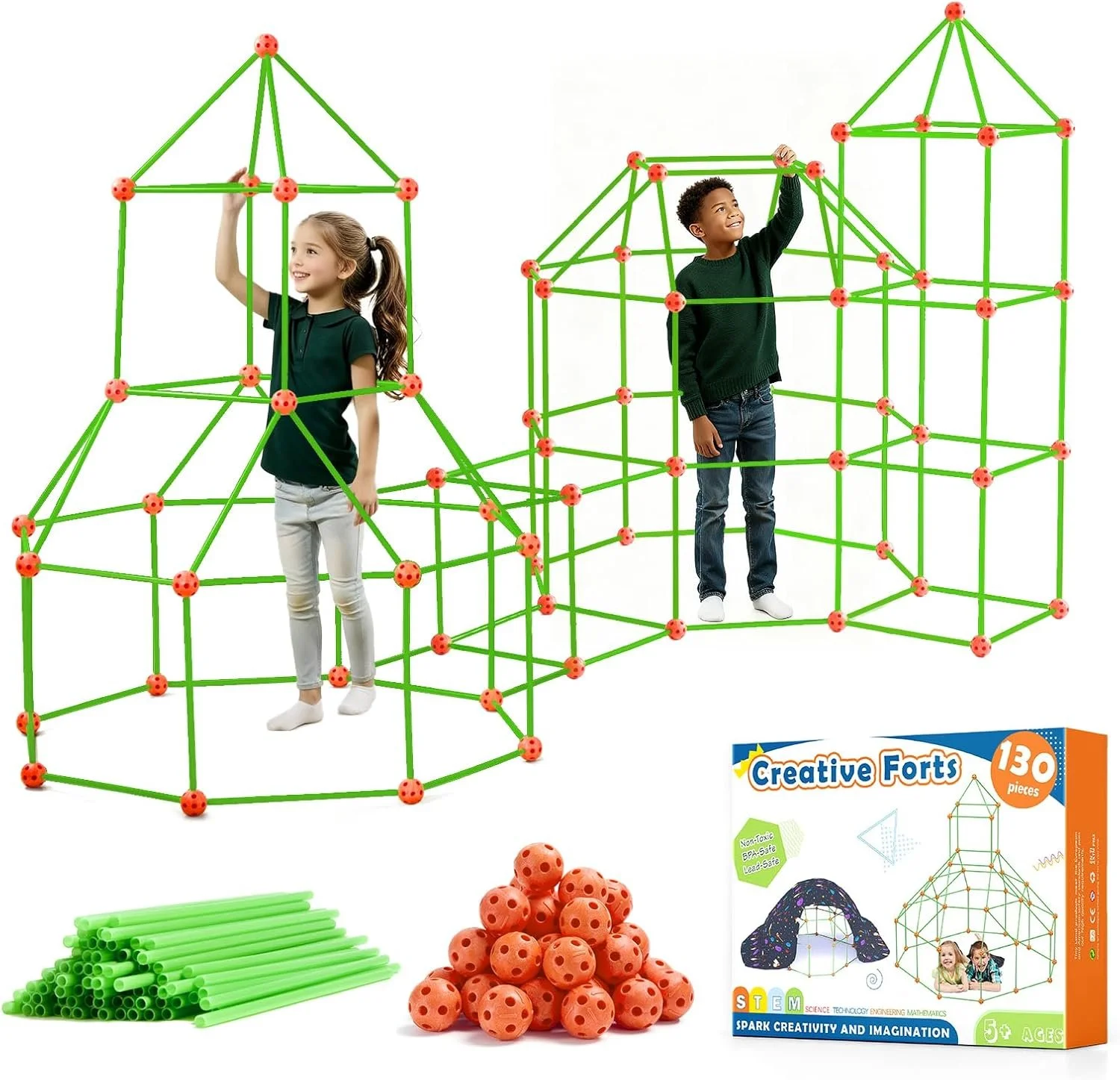
they’re building a blanket fort for an hour.
Or creating an elaborate imaginary world with stuffed animals.
Or sitting quietly coloring far longer than you expected.
Deep focus often has activation energy.
Which means one of the best things parents can do is resist rescuing boredom too quickly.
Not harshly.
Not rigidly.
Just calmly allowing space for engagement to emerge.
The Goal Isn’t “No Screens”
I don’t think the goal of analog childhood is eliminating technology.
It’s preserving environments where slower forms of attention still have room to develop.
Where kids experience:
sustained focus
imagination
sensory engagement
creative persistence
emotional regulation
self-directed play
Because those experiences shape how children learn to interact with the world.
And importantly:
they often stack benefits.
A child quietly coloring may also be:
calming their nervous system
practicing persistence
reinforcing identity language
developing fine motor skills
building focus
processing emotions
creating independently
That’s a lot happening beneath the surface.
How to Shift From “Screen Default” to “Activity Default”
One thing I think gets overlooked:
Kids usually choose what’s:
easiest
visible
already started
emotionally familiar
lowest friction
Not necessarily what’s “best.”
Which means attention is often less about discipline and more about environment design.
This was a huge mindset shift for me.
Because instead of constantly trying to “convince” kids to do analog activities, you can lower the activation energy around them.
A few examples:
leaving coloring supplies accessible
keeping books face-out instead of hidden away
rotating toys instead of overloading shelves
partially starting a puzzle
creating cozy reading corners
storing craft materials where kids can actually reach them
making invitations to play visually obvious
Children are incredibly responsive to environmental cues.
Often more than verbal instructions.
Different Activities Train Different Attention Muscles
Not all analog activities build the same type of focus.
And I think this is important.
Deep Focus Activities
These train sustained attention and persistence.
Examples:
coloring
LEGO builds
puzzles
model kits
drawing
bead crafts
These activities often create “flow states” where kids become deeply absorbed for extended periods.
Slow-Paced Activities
These encourage patience, observation, and nervous system regulation.
Examples:
watercolor painting
nature walks
baking
reading aloud
These activities help childhood feel slower in a very healthy way.
Imagination-Based Activities
These strengthen internally generated engagement.
Examples:
dolls
figurines
pretend play
forts
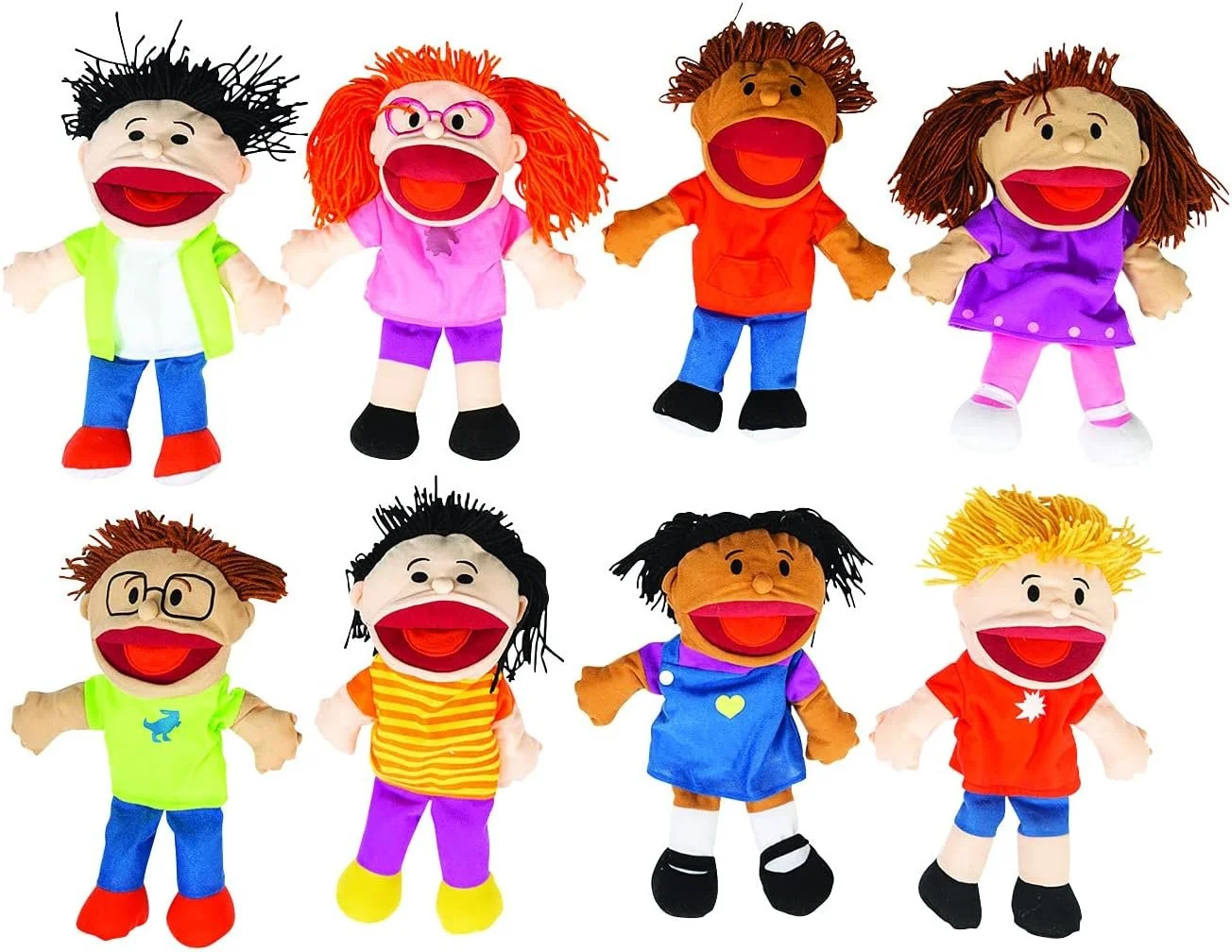
puppet shows
open-ended toys
What’s interesting is that simpler toys often sustain attention longer because they require more participation from the child.
The toy doesn’t do everything for them.
Their imagination fills in the gaps.
Sensory Engagement Activities
These help children feel physically grounded and present.
Examples:
clay
painting
sensory bins
kinetic sand
There’s something powerful about activities that fully involve the hands.
Especially in a world where so much stimulation is happening through screens alone.
Why Simpler Childhoods Often Feel More Memorable
I don’t think people feel nostalgic about analog childhood purely because of the absence of technology.
I think they miss the feeling of deeper engagement.
Long afternoons.
Slow boredom turning into creativity.
Getting absorbed in something without interruption.
Building things.
Making up games.
Lingering.
Those experiences shape attention, but they also shape emotional memory.
And I think many parents are sensing that children still need spaces where that kind of engagement can happen.
Not all the time.
Just enough.
Enough for imagination to activate.
Enough for focus to deepen.
Enough for kids to experience what it feels like to become fully immersed in something real.
Because analog childhood isn’t really about rejecting modern life.
It’s about protecting spaces where attention can still settle instead of constantly fragmenting.
Shop Ideas From This Retro










Note: I may receive a small commission from the links above.