Most Independence Problems Are Actually Accessibility Problems
The Independence Problem
One thing I’ve noticed after years working in large corporate programs:
When people have to rely on one person for everything, the system slows down fast.
Bottlenecks create friction.
Friction creates dependency.
And dependency creates overwhelm.
Parenting can accidentally work the same way.
Because parents often become the operational center of the entire house.
We become responsible for:
getting the snacks,
starting the activity,
finding the markers,
getting the outside toys,
pouring the water,
grabbing the sunscreen,
setting up the craft,
solving the boredom.
Not because kids can’t do these things.
But because the environment often makes independence harder than dependence.
And kids naturally drift toward what is easiest.
That realization changed how I started thinking about our home.
I stopped asking:
“How do I get my kids to be more independent?”
And started asking:
“What’s making independence difficult in the first place?”
That shift led to some surprisingly small changes that made a very big difference.
Not giant playroom overhauls.
Not elaborate organization systems.
Just better accessibility.
Because accessibility quietly shapes behavior.
A child is much more likely to:
draw,
build,
play outside,
grab a snack,
clean up,
or regulate themselves…
…when the tools to do those things are visible and easy to access without adult help.
The Accessibility Solution
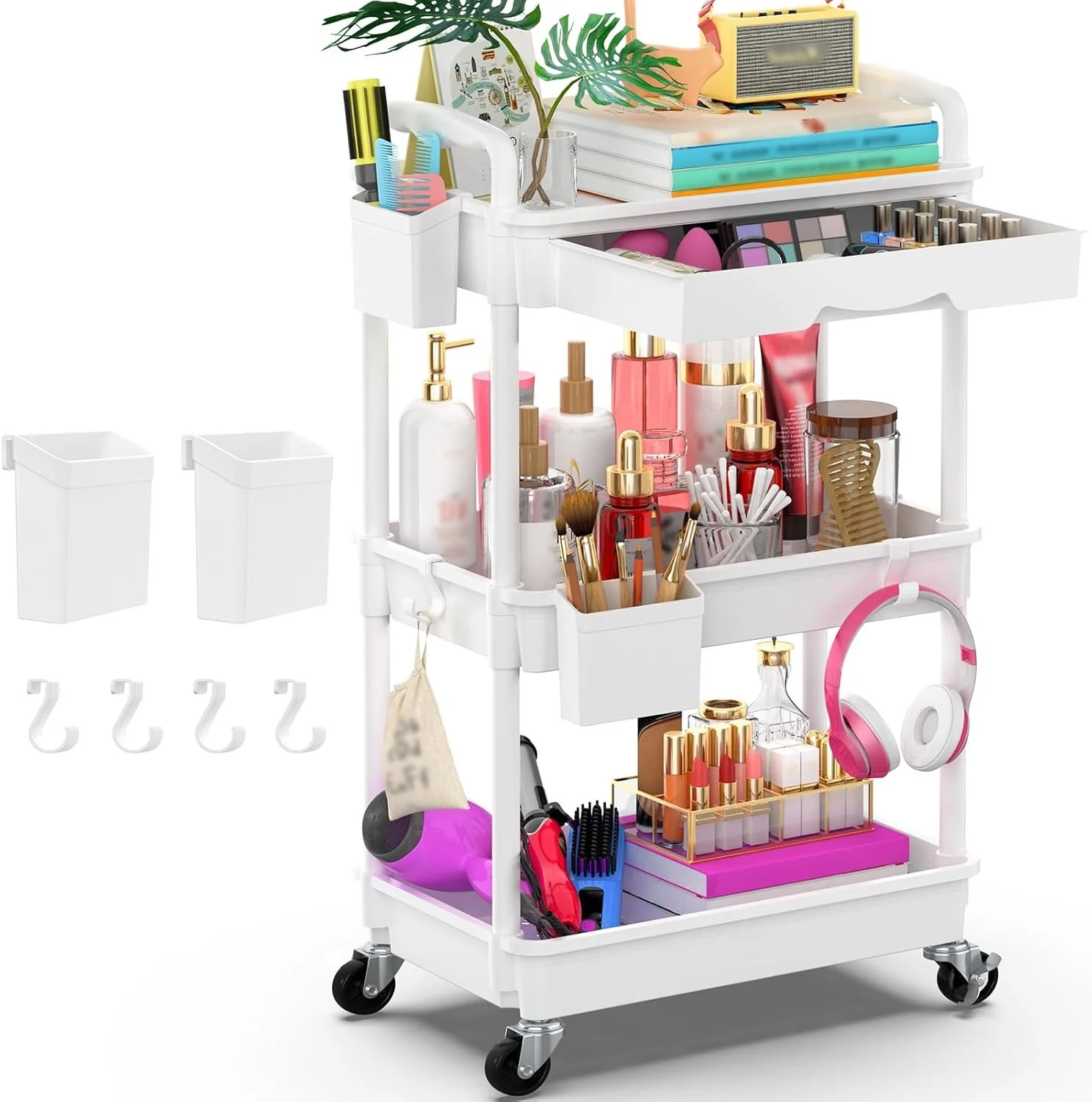
One of the highest-leverage things we added was a simple rolling activity cart.
Not because the cart itself is magical.
But because lowering the activation energy around play changes what kids naturally default toward.
Instead of:
“Mom, can you help me get something to do?”
…the activities are already accessible.
The cart can roll outside.
It can hold crafts.
Coloring books.
Magnetic tiles.
Water toys.
Sidewalk chalk.
Calming activities.
The point isn’t the specific items.
The point is reducing the number of barriers between a child and independent engagement.
And once I started noticing this principle, I saw it everywhere.
Snack drawers kids can reach themselves.
Water bottles already filled and accessible.
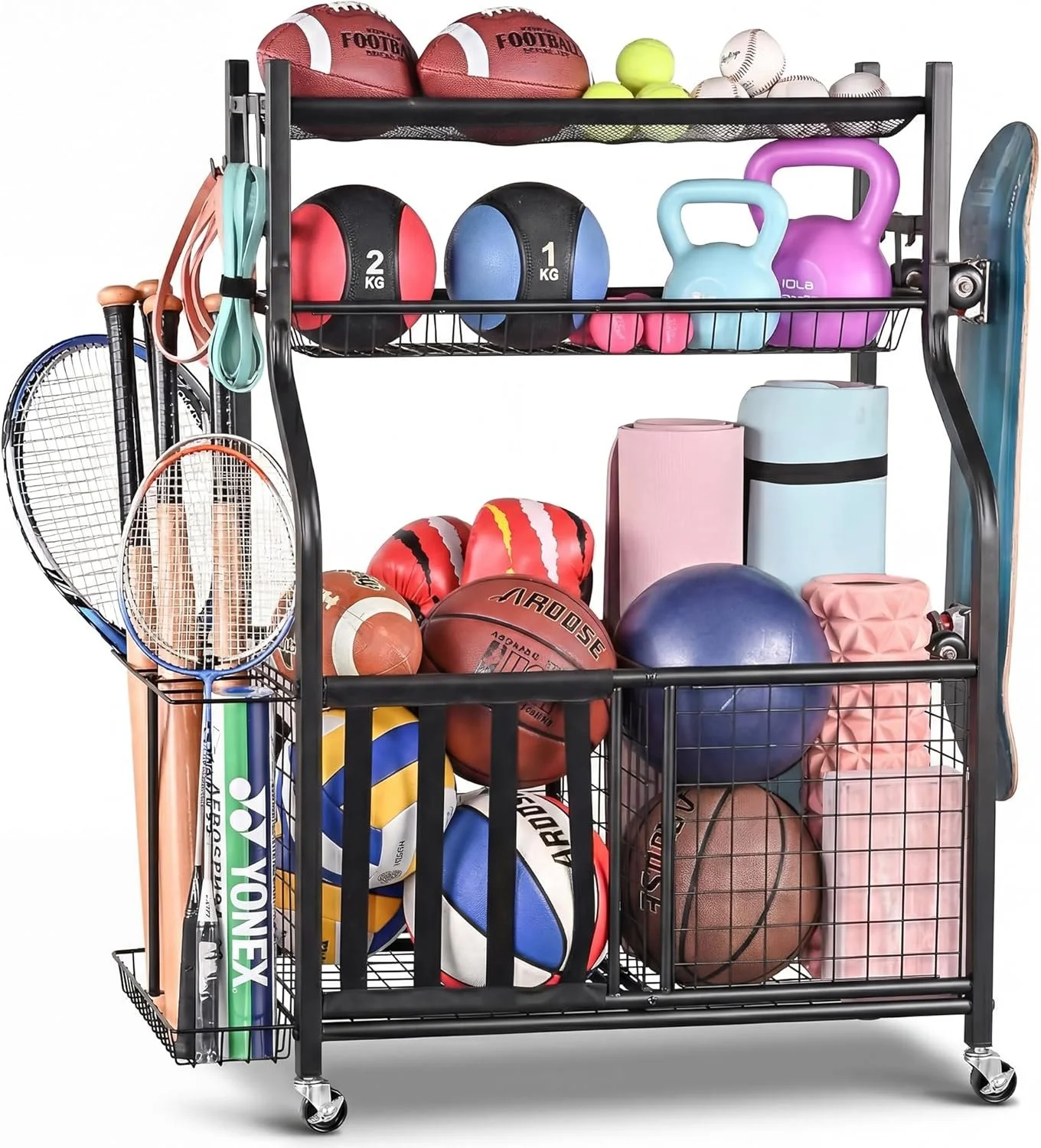
Outdoor toys stored where kids can grab them independently.
Kid-height hooks.
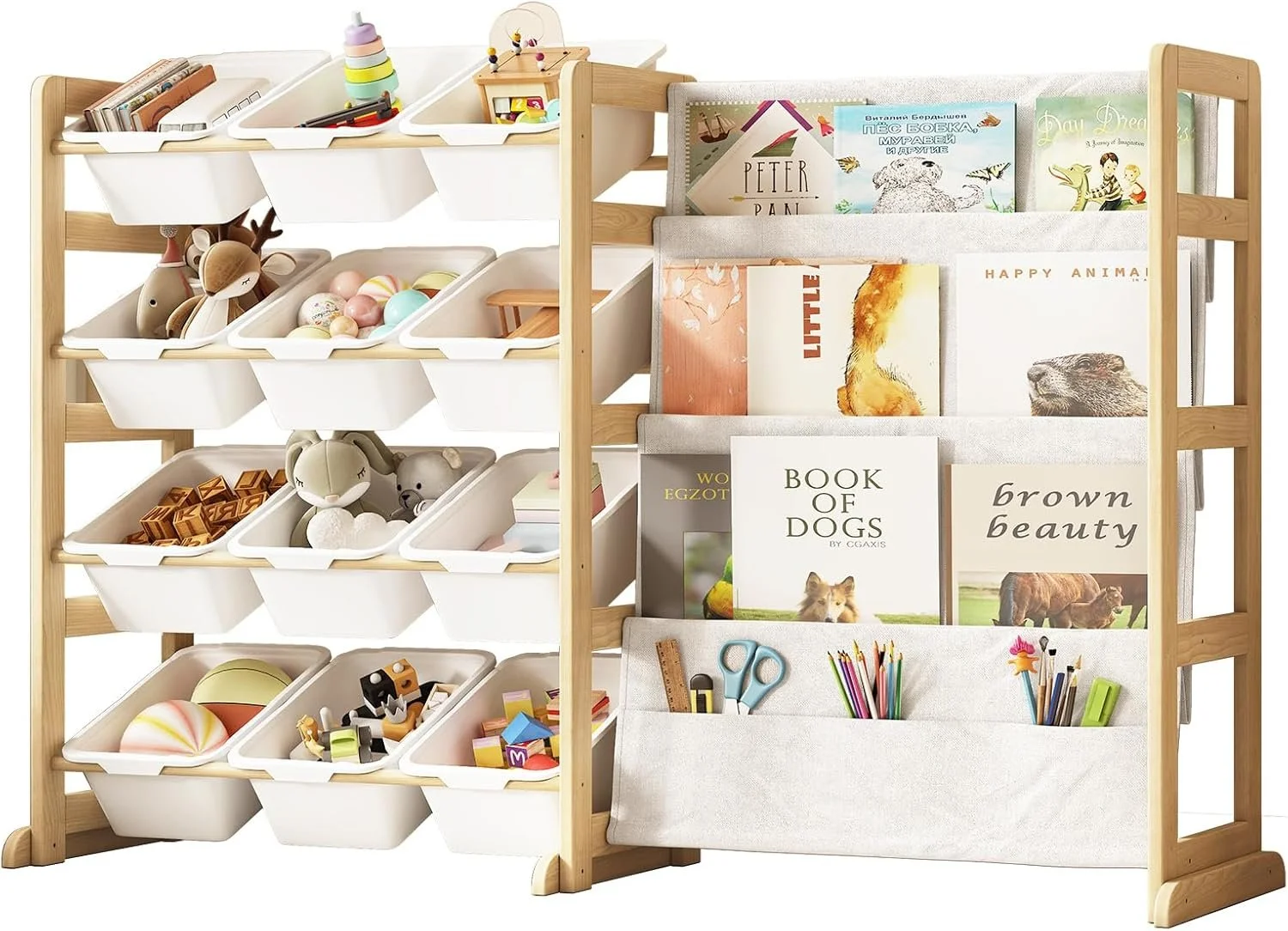
Low shelves.
Visible books.
Calm-down baskets.
Simple reset checklists.
Open-ended toys already ready to use.
None of these things “teach independence” directly.
But they create environments where independence becomes easier to practice naturally.
Which matters because modern family life contains a lot of friction already.
Parents are tired.
Kids are overstimulated.
Screens are easier than almost everything else.
And when healthier choices require too many steps, they slowly stop becoming the default.
That’s why I think so much of parenting is really environment design.
Not in a rigid or perfectionist way.
Just thoughtfully asking:
“What behaviors does this environment make easier?”
Because children usually move toward what feels most accessible.
If screens are easiest, they’ll drift toward screens.
If outdoor play is easiest, they’ll drift outside more often.
If calming tools are accessible, they’re more likely to use them.
If creativity is visible, they’re more likely to create.
Small shifts.
Lower friction.
Better defaults.
That’s usually what changes the emotional rhythm of a home the most.
Shop Ideas From This Retro
Note: I may receive commission from the affiliate links above.