Pizza is Emotional Infrastructure?
How family traditions strengthen emotional resilience, identity formation, and family cohesion
Parents, stop trying to constantly create memorable moments.
Start creating repeatable ones.
Because kids don’t build emotional security through novelty.
They build it through:
predictability
sensory repetition
shared rituals
environmental cues
consistent connection points
Research in developmental psychology consistently shows that family rituals help strengthen emotional resilience, identity formation, and family cohesion. Kids benefit from knowing:
“This is what our family does.”
Not because the activity itself is extraordinary.
But because repetition creates meaning.
For us?
Pizza night on the patio.
It’s not dinner, it’s a weekly reset ritual.
Why food traditions are psychologically powerful
Food-based traditions work especially well because they naturally layer multiple forms of connection at once:
sensory memory
participation
conversation
anticipation
routine
physical proximity
Researchers have found that regular family meals are associated with:
stronger emotional health
improved communication
better vocabulary development in children
lower stress levels
stronger family identity
But beyond the research, I think there’s something even more important happening:
It gives the week structure.
A predictable emotional anchor.
Kids thrive when time feels organized and understandable.
“Friday pizza night” becomes more than dinner.
It becomes:
a transition marker
a source of anticipation
a stabilizing ritual
a memory framework
And in a culture where family life can easily feel fragmented, rituals quietly create continuity.
The systems-thinking approach to family traditions
Most traditions fail because they require too much activation energy.
Too much planning.
Too much cleanup.
Too much coordination.
The best family rituals are strategically designed to be:
repeatable
low-friction
collaborative
flexible
sensory-rich
easy to sustain during real life
That’s why homemade pizza works unusually well.
It creates high engagement with relatively low effort.
Everyone has a role:
one kid rolls dough
one adds toppings
one experiments with “dessert pizza”
someone turns on music
someone carries everything outside
The ritual becomes participatory instead of performative.
That distinction matters.
Research shows children develop stronger emotional connection and confidence when they actively contribute to family routines rather than passively consume experiences created for them.
Which means:
the goal is not producing the perfect pizza.
The goal is creating shared ownership of the experience.
Environmental psychology matters more than people realize
One thing I’ve learned:
Small environmental cues dramatically change how experiences feel.
You do not need elaborate setups.
You need intentional sensory signals that tell the brain:
“This is different from ordinary dinner.”
That’s what creates emotional stickiness.
A few things that unexpectedly elevated our pizza nights:
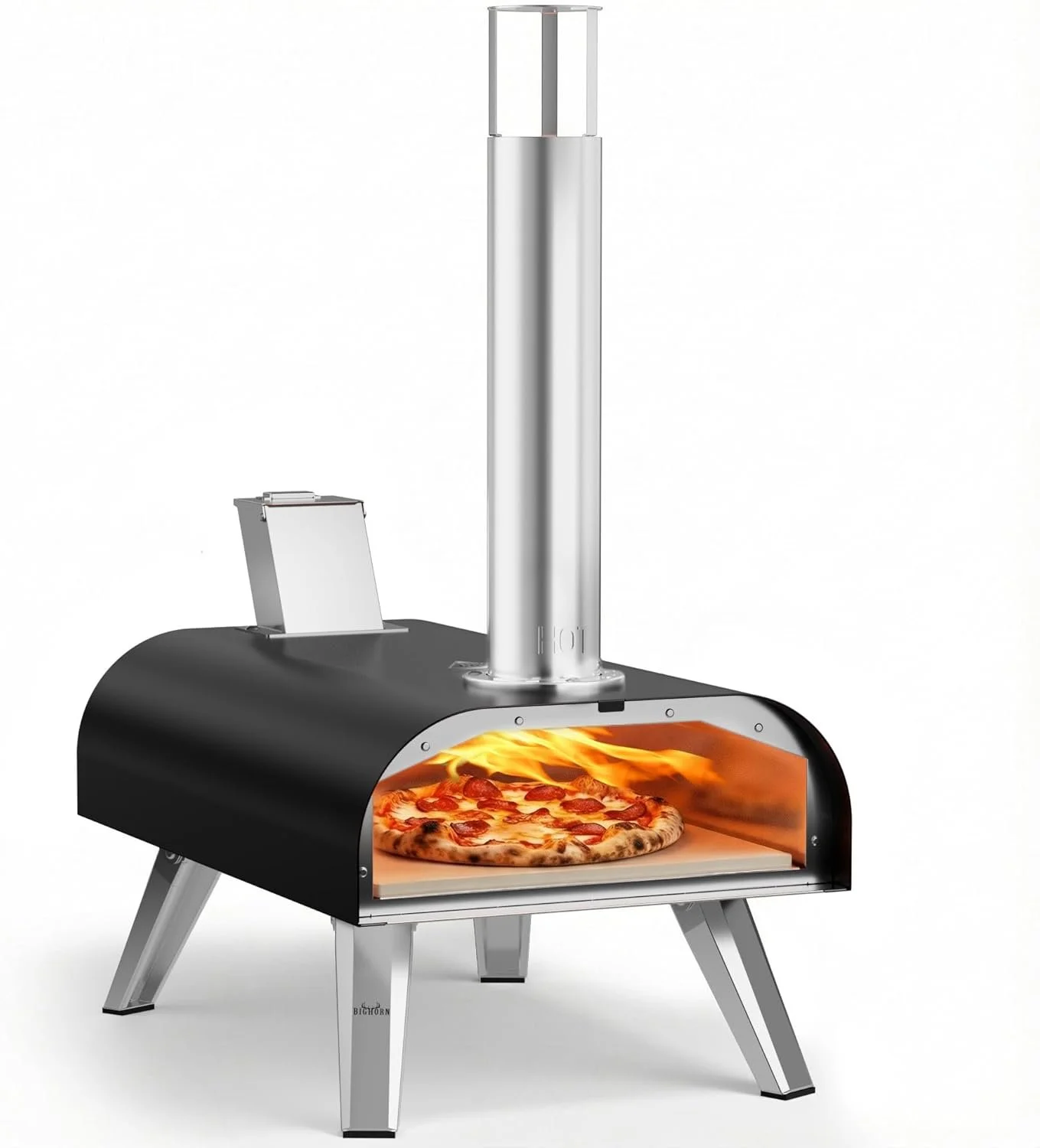
Pizza oven
This instantly transformed pizza night from:
“making food”
into:
“an event.”
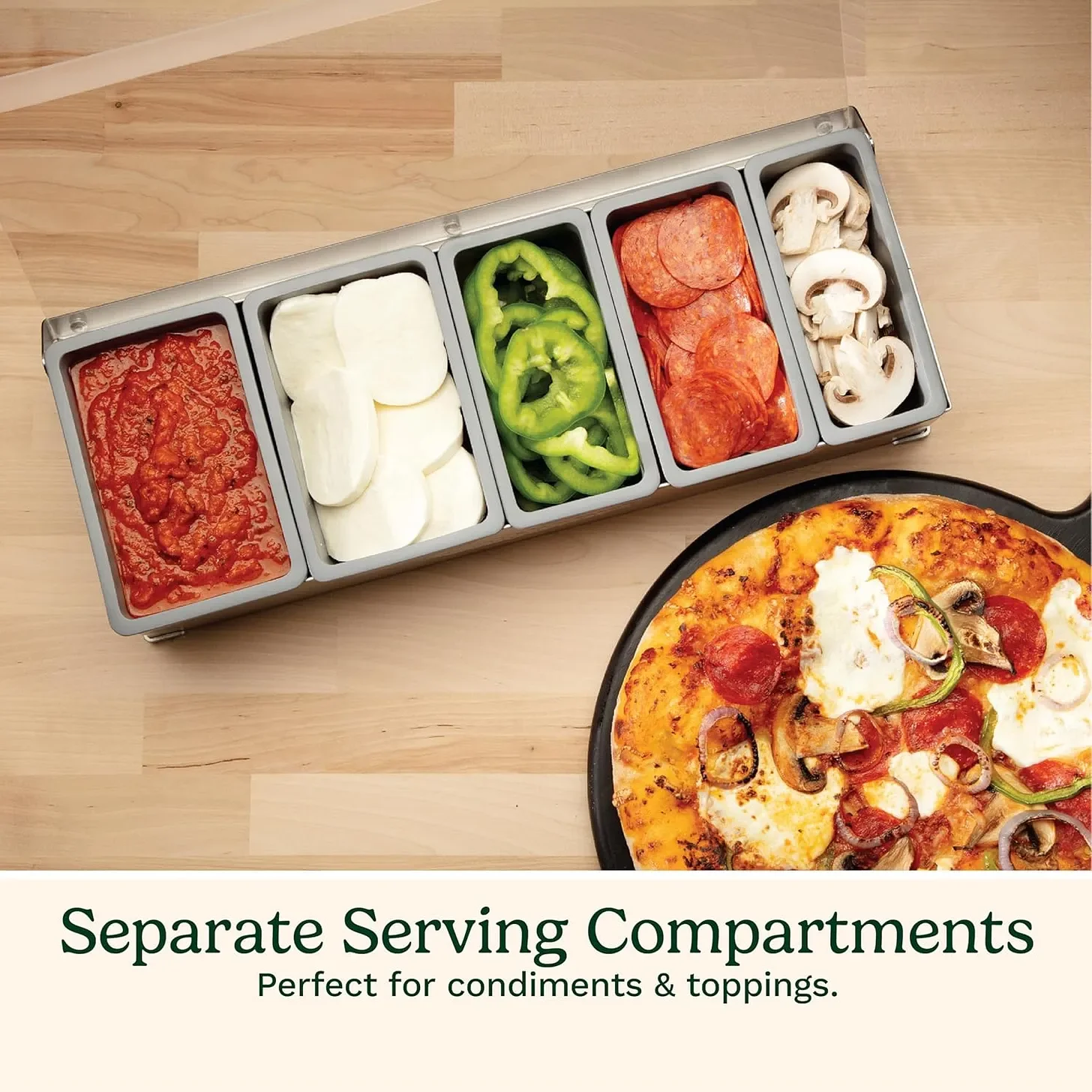
Ingredient trays
This reduced chaos significantly.
But more importantly:
it increased autonomy.
Kids participate more when materials are visually organized and physically accessible.
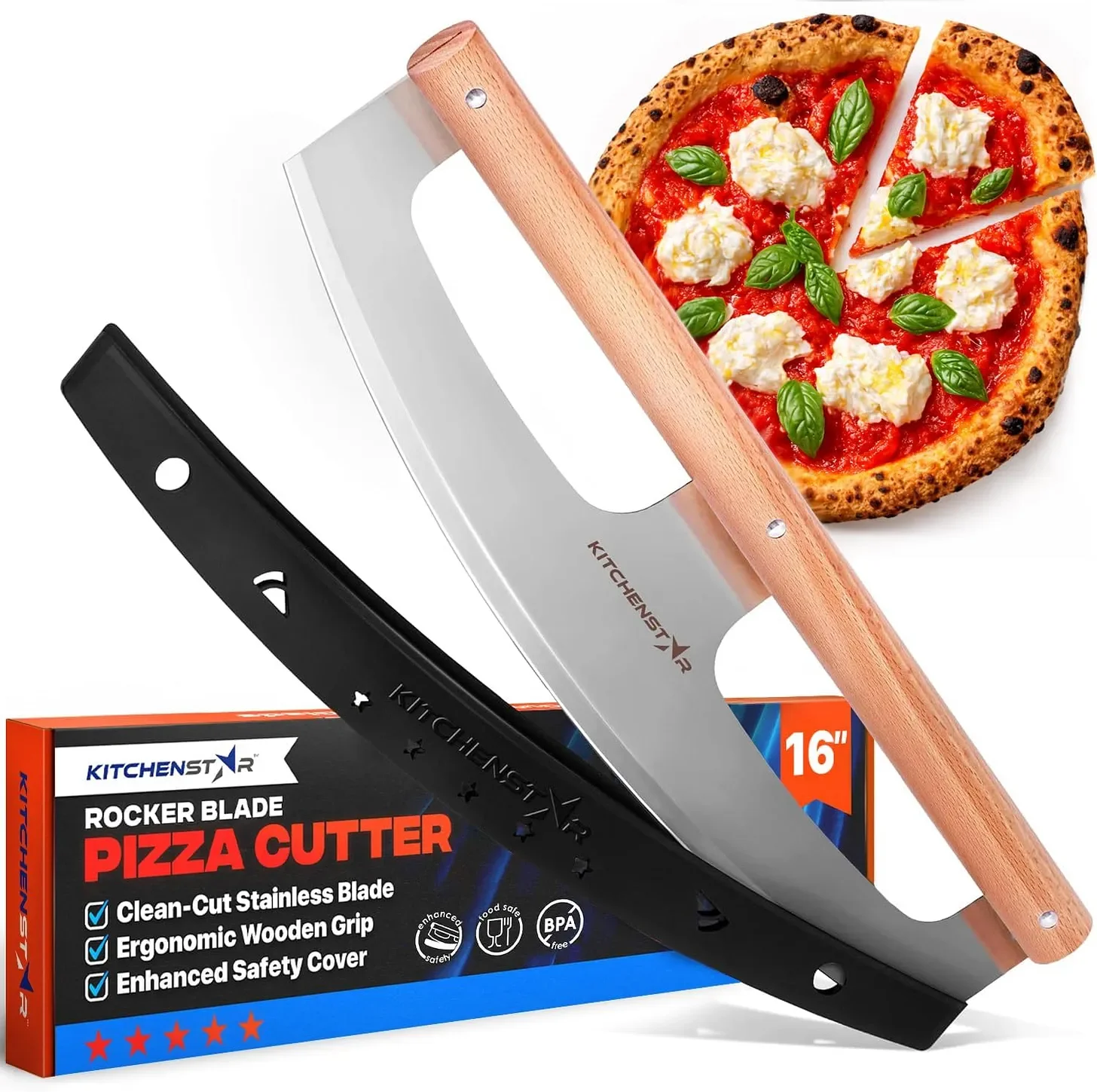
Restaurant-style pizza cutter
Tiny detail.
Huge experience upgrade.
Objects shape rituals more than we think.
Outdoor melamine plates
Lower stress for parents.
Still visually intentional.
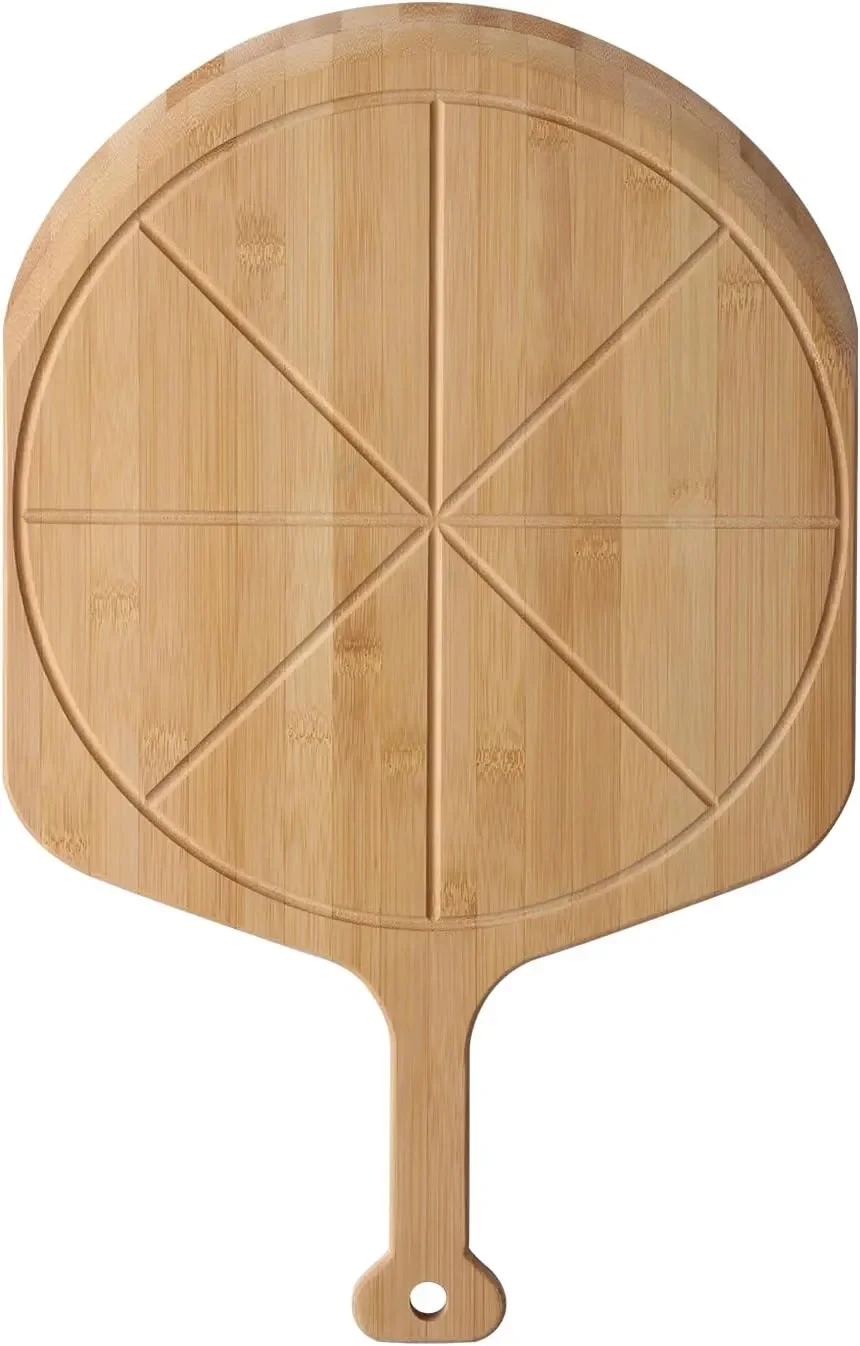
Pizza serving boards
Makes the process smoother and gives kids clearer ownership over “their” pizza creations.
Outdoor string lights
Honestly one of the highest-impact additions.
Research in environmental psychology shows lighting strongly affects emotional tone and memory formation.
Soft lighting instantly signals: slow down.
Tabletop speaker
Music acts as a contextual cue.
It helps rituals feel emotionally distinct from normal routines.
Another reason this works:
kids are more likely to try foods they help create
Research consistently shows repeated low-pressure exposure increases food acceptance in children.
Especially when:
kids participate in preparation
there’s no pressure to eat
the environment feels social and relaxed
Pizza night naturally creates all three conditions.
Our kids will try dramatically more toppings when:
they chose them,
assembled them,
and watched everyone else experimenting too.
Which is fascinating because it reinforces a broader principle:
Participation reduces resistance.
The real goal of family traditions
Not perfection.
Not Pinterest-worthy execution.
Not creating cinematic childhoods.
The real goal is building rituals that become emotionally encoded over time.
Because childhood memories are often surprisingly ordinary.
the same music playing every Friday
flour on the counter
carrying plates outside
arguing about toppings
warm patio lights
everyone knowing exactly what comes next
That repetition becomes belonging.
And belonging is what kids remember.
Shop Ideas From This Retro



Note: I may receive commission from the affiliate links.