5 Family Travel Systems That Reduce Stress
Less Stress Means More Connection
Family travel is often sold as something magical and effortless.
But in reality, it can feel like a series of small breakdown points:
waiting too long, managing overstimulation, constant requests for snacks, restlessness in confined spaces, and the pressure of trying to “make it special” while also keeping everyone regulated.
And yet, I’ve noticed something important over time:
The difference between stressful travel and connected travel usually isn’t the destination.
It’s the systems you put in place before and during the trip.
When we zoom out, most family travel friction is predictable. Which means it’s also designable.
Below are five simple systems we’ve started using that don’t make travel perfect—but they noticeably reduce stress, increase independence, and create more space for actual connection.
5 Simple Systems That Reduce Stress and Increase Connection
1. The “Novelty Before Friction” System (Reducing Boredom Breakdowns)
One of the easiest points of failure in travel is boredom—especially in airports, cars, or long transitions where kids are expected to wait.
Instead of reacting to boredom once it shows up, we try to pre-load novelty into the experience.
This looks like:
a small “airport-only” toy they’ve never seen before
a destination-themed coloring book or activity pack
small surprise items revealed at key transition points
The goal isn’t distraction—it’s proactive engagement.
When kids are already curious and engaged, waiting stops feeling like deprivation and starts feeling like part of the experience.
2. The “Accessibility Snack Buffer” System (Reducing Hunger Friction)
Hunger is one of the fastest paths to dysregulation during travel, especially when routines are off.
So instead of relying on finding food in the moment, we build in redundancy.
This means:
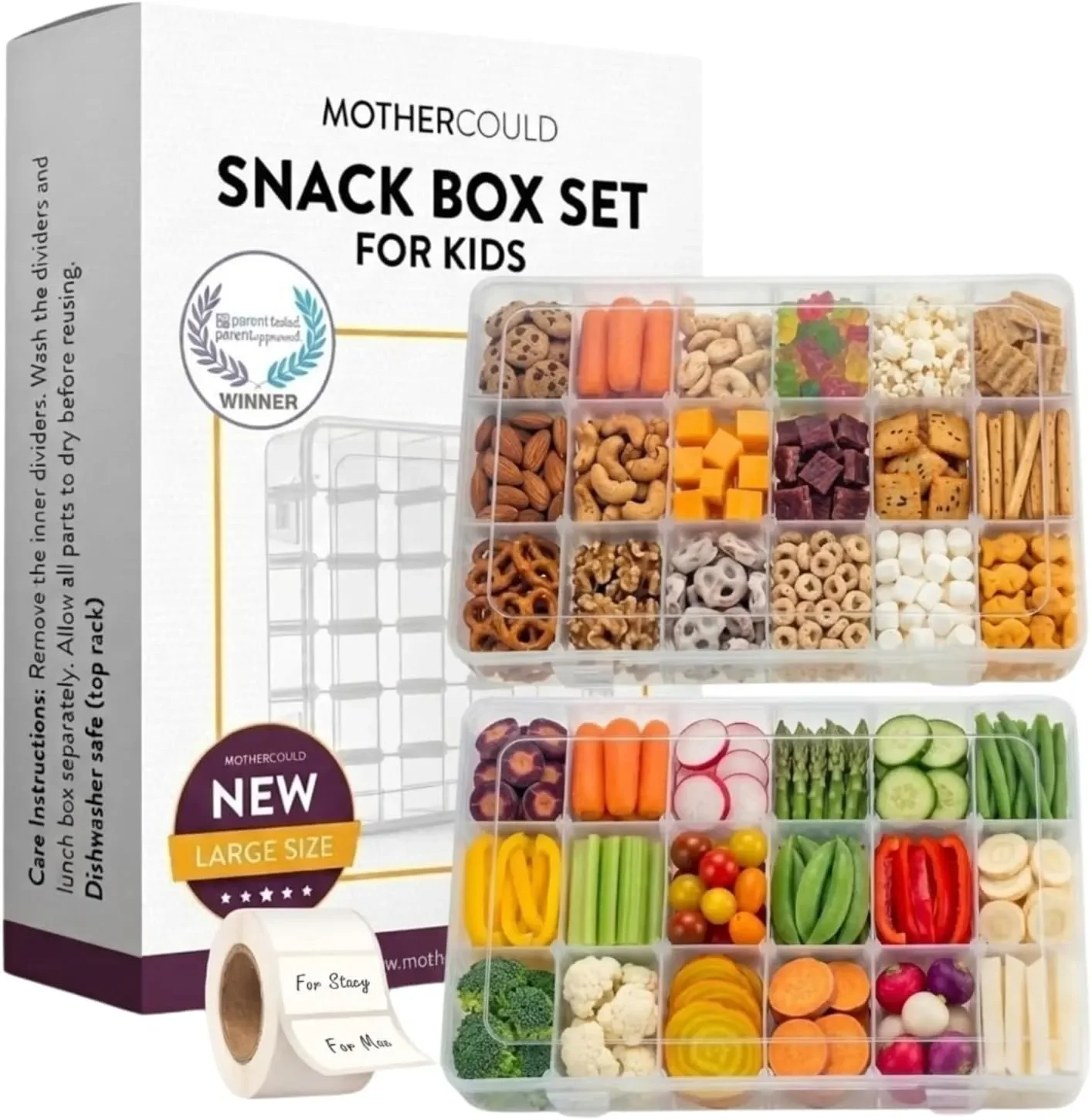
snacks are immediately accessible during travel
extra food is packed in checked luggage for arrival
simple, familiar options are always within reach
This removes the need for negotiation, searching, or waiting when energy is already low.
It sounds small, but this one shift prevents a surprising number of avoidable meltdowns.
3. The “Movement Release Loop” System (Reducing Confinement Friction)
Travel often requires long periods of sitting still, which doesn’t match how kids regulate.
So instead of trying to extend their tolerance for stillness, we design movement into the day on purpose.
Examples include:
playground stops during travel days
open outdoor breaks built into itineraries
unstructured movement time before or after meals
This isn’t about “burning energy so they behave.”
It’s about acknowledging that regulation often requires movement, especially in overstimulating environments.
When movement is built into the rhythm of the day, everything else tends to go more smoothly.
4. The “Sleep Support Energy Drain” System (Reducing Bedtime Friction)
One of the hardest parts of travel is sleep disruption—especially with time changes.
Instead of waiting for bedtime to become difficult, we try to use the environment strategically earlier in the day.
A simple example:
booking hotels with pools so kids can fully reset their energy in the evening
It’s not about the pool itself—it’s about what it does for regulation.
A structured, contained way to release energy often makes bedtime transitions significantly easier.
This creates a better chance of one of the most important parts of travel:
restful sleep for everyone.
5. The “Accessibility Drives Independence” System (Reducing Parent Load Friction)
The biggest shift in travel isn’t entertainment—it’s independence.
When everything requires an adult to access or initiate, parents become the bottleneck for the entire trip.
So instead, we try to make key items visible and reachable:
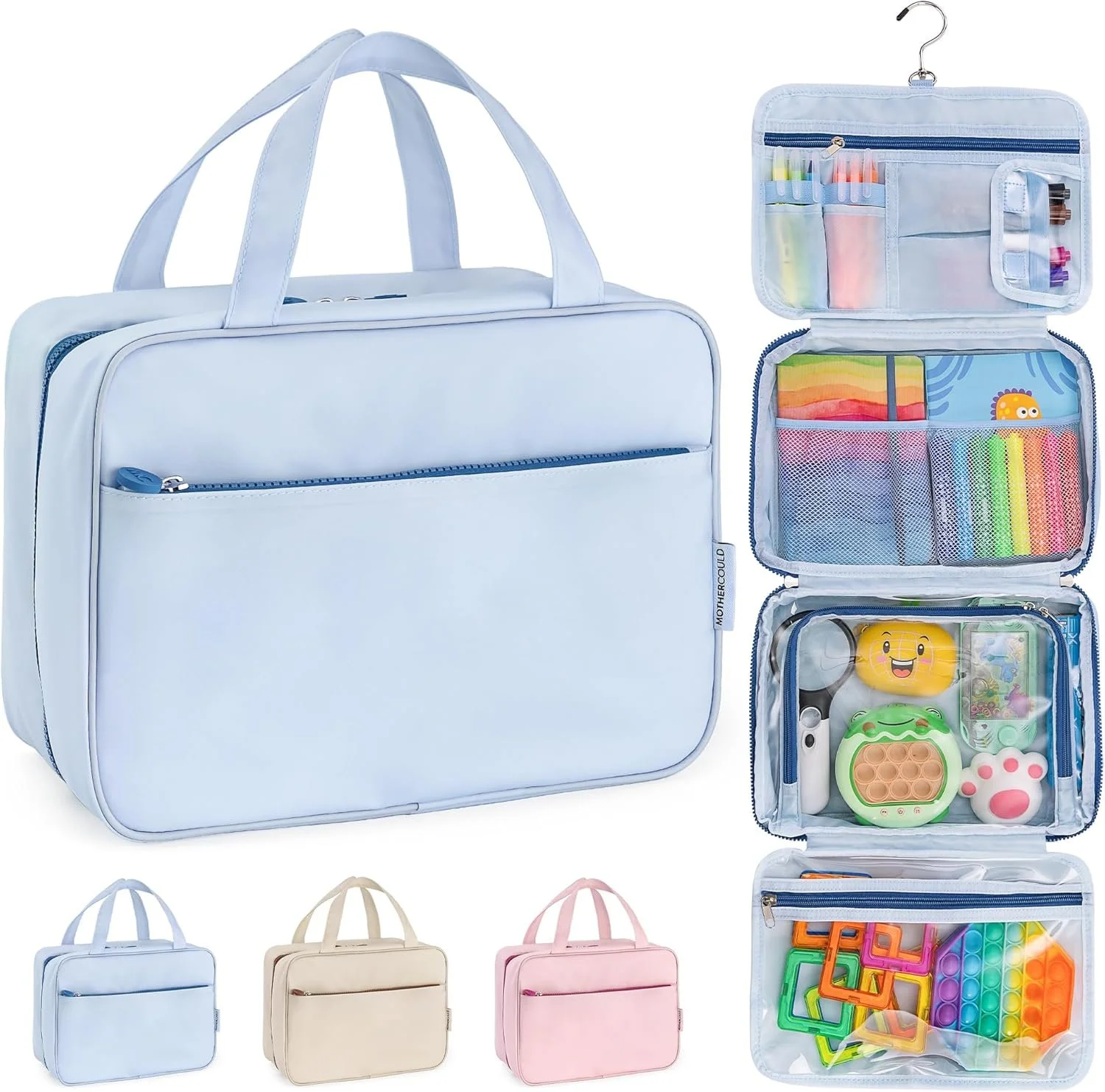
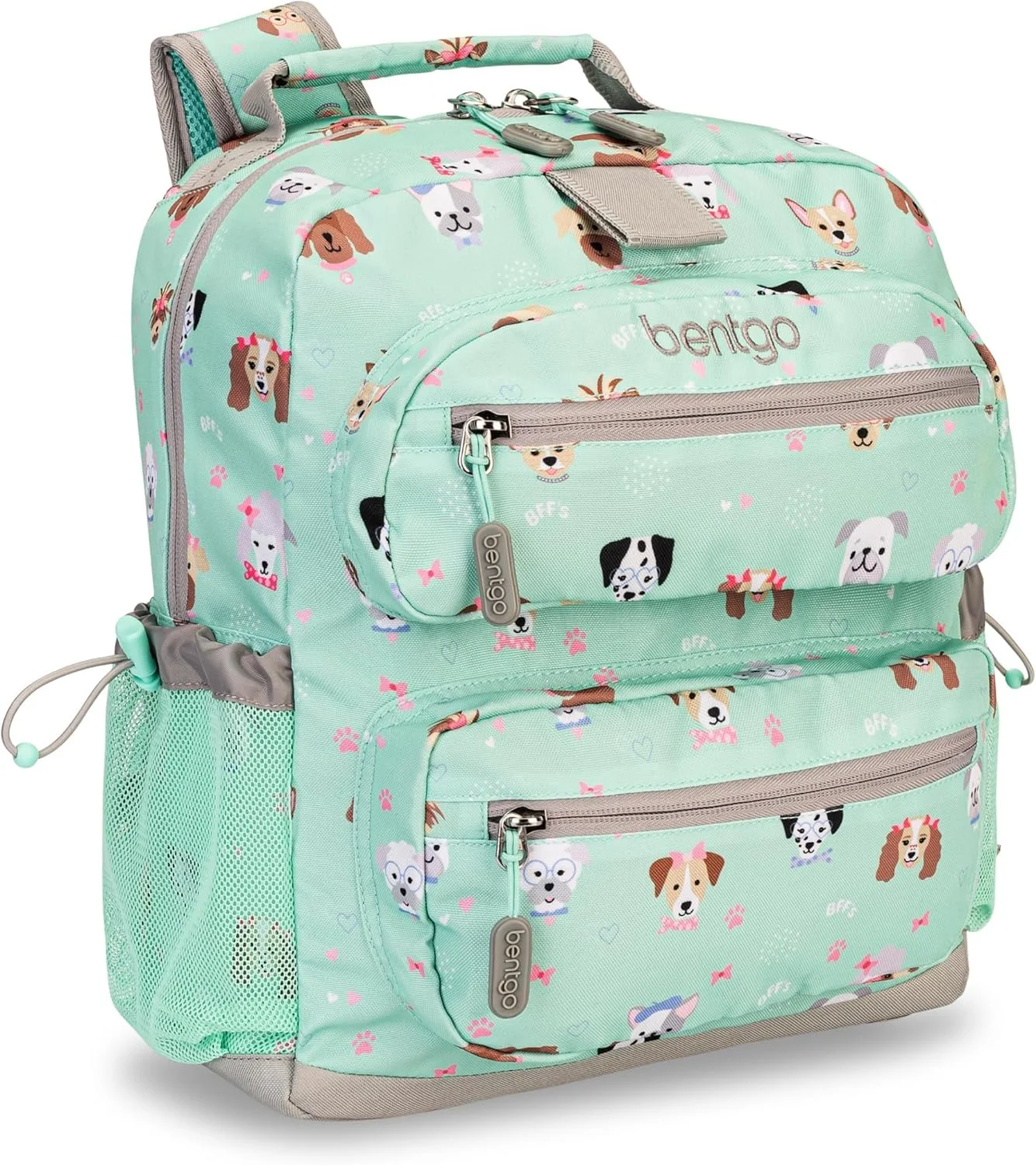
kid-accessible bags
clearly separated activity options
simple systems they can manage themselves
The more children can independently access what they need, the less the entire trip depends on constant parent intervention.
And that’s where something interesting happens:
Less managing creates more space for actual presence.
Final Thought
Most family travel stress doesn’t come from doing too much or too little.
It comes from small, predictable friction points that accumulate throughout the day.
Boredom, hunger, confinement, overstimulation, and sleep disruption are not random problems—they’re system problems.
And once you start seeing travel through that lens, the goal shifts.
Not to perfect the trip.
But to design it so connection has room to happen.
Shop Ideas From This Retro



Note: I may receive a small commission from the affiliate links above.