5 Social-Emotional Skills to Refresh Before School Starts
Most back-to-school checklists focus on supplies.
New shoes. Fresh notebooks. Sharpened pencils.
But one of the biggest transitions children make each August isn't academic—it's social.
School is its own ecosystem. Children are asked to navigate friendships, classroom expectations, challenges, disappointments, and emotions while spending hours each day in a community of peers.
For kindergarteners, this social world is entirely new. For older children, it may feel familiar, but summer often changes the way children practice these skills.
Some spend months playing with siblings. Others spend every afternoon at the neighborhood pool. Some become more independent. Others spend more time with family and less time navigating peer relationships.
The good news? Children don't need a social-emotional bootcamp before school starts.
A few intentional moments in the weeks leading up to the first day can help refresh the skills they'll rely on all year long.
Friendship: The Skill of Building Connection
Friendship isn't something children simply "have."
It's a collection of skills that help them connect with others:
Starting conversations
Joining play
Taking turns
Listening
Including others
Resolving disagreements
These skills become especially important at the start of a new school year when classroom dynamics shift and children may find themselves reconnecting with classmates after months apart.
Children who feel confident connecting with peers often experience a stronger sense of belonging, which can support everything from classroom participation to overall happiness at school.
5 Micro Habits to Practice
Invite one friend over before school starts.
Practice introducing yourself to another child at a playground or activity.
Role-play joining a game using simple phrases like "Can I play too?"
Encourage your child to ask another child a question during an outing.
After social situations, talk about what helped someone feel included.
Build the Skill Through Books & Activities
Books and activity-based learning can help children visualize friendship skills before they need to use them in real life.
Recommended resources:
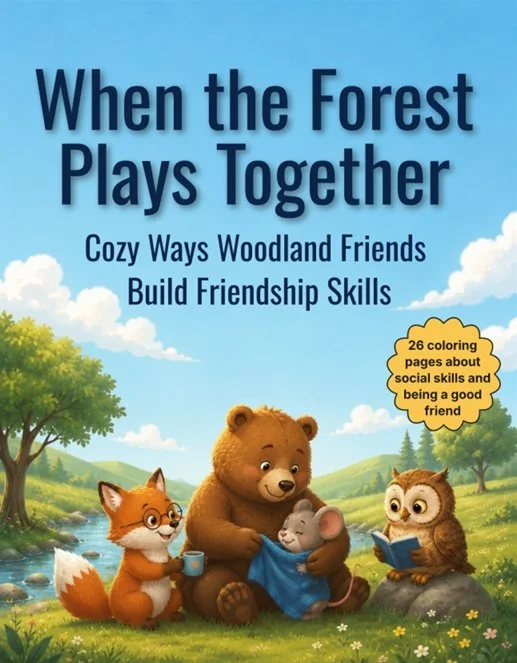
Friendship-themed coloring books that explore kindness, sharing, and inclusion
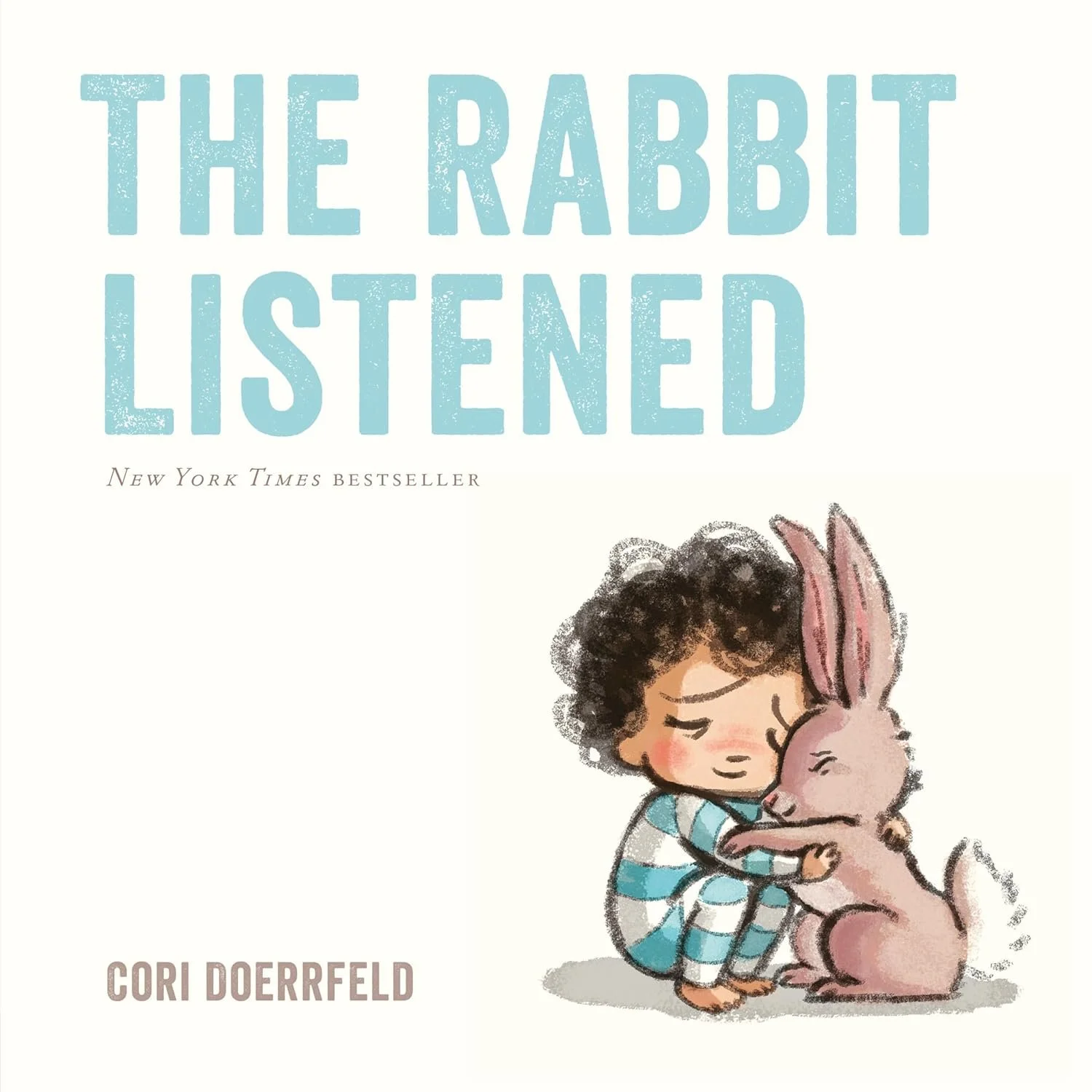
Children's picture books about friendship
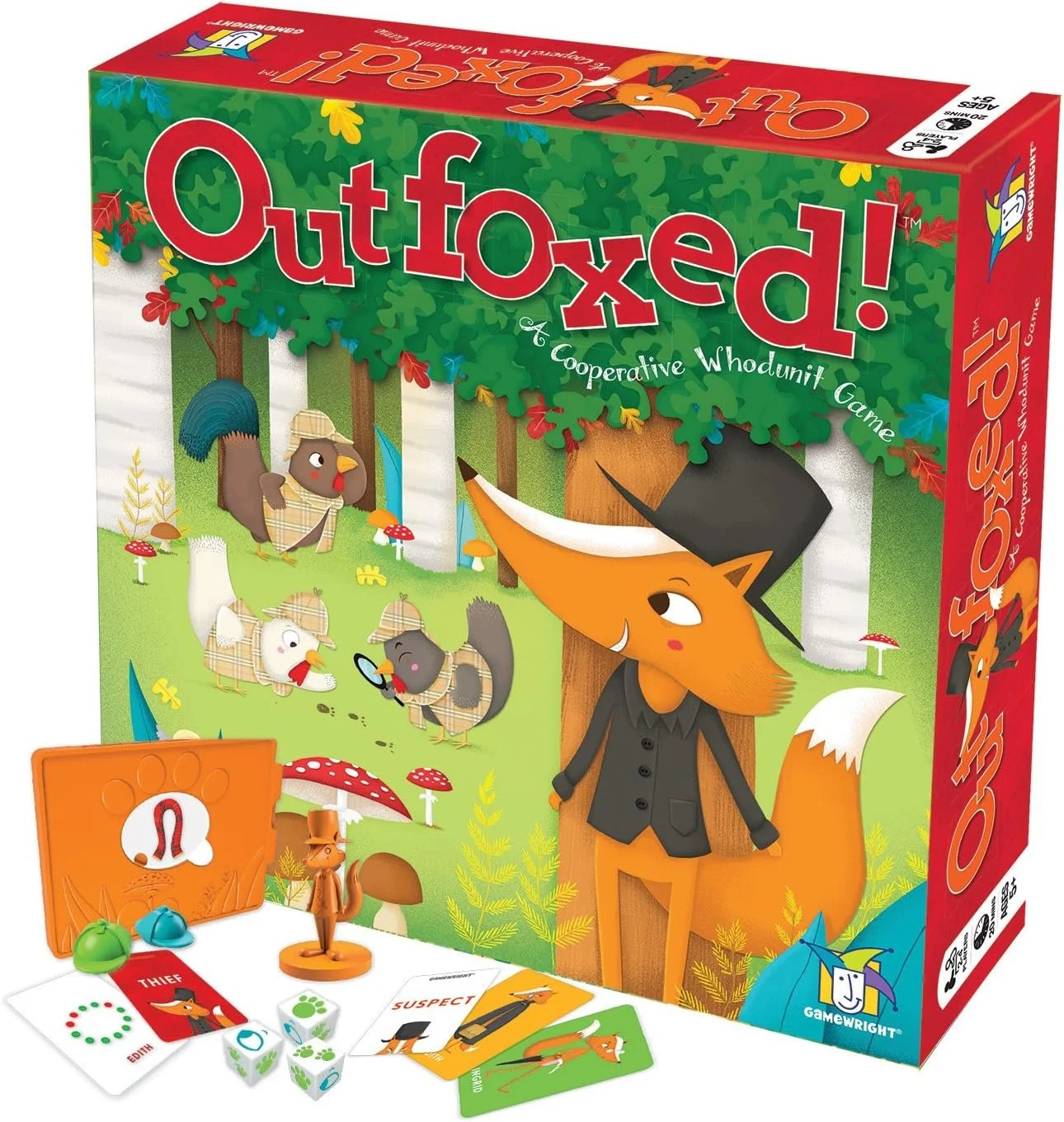
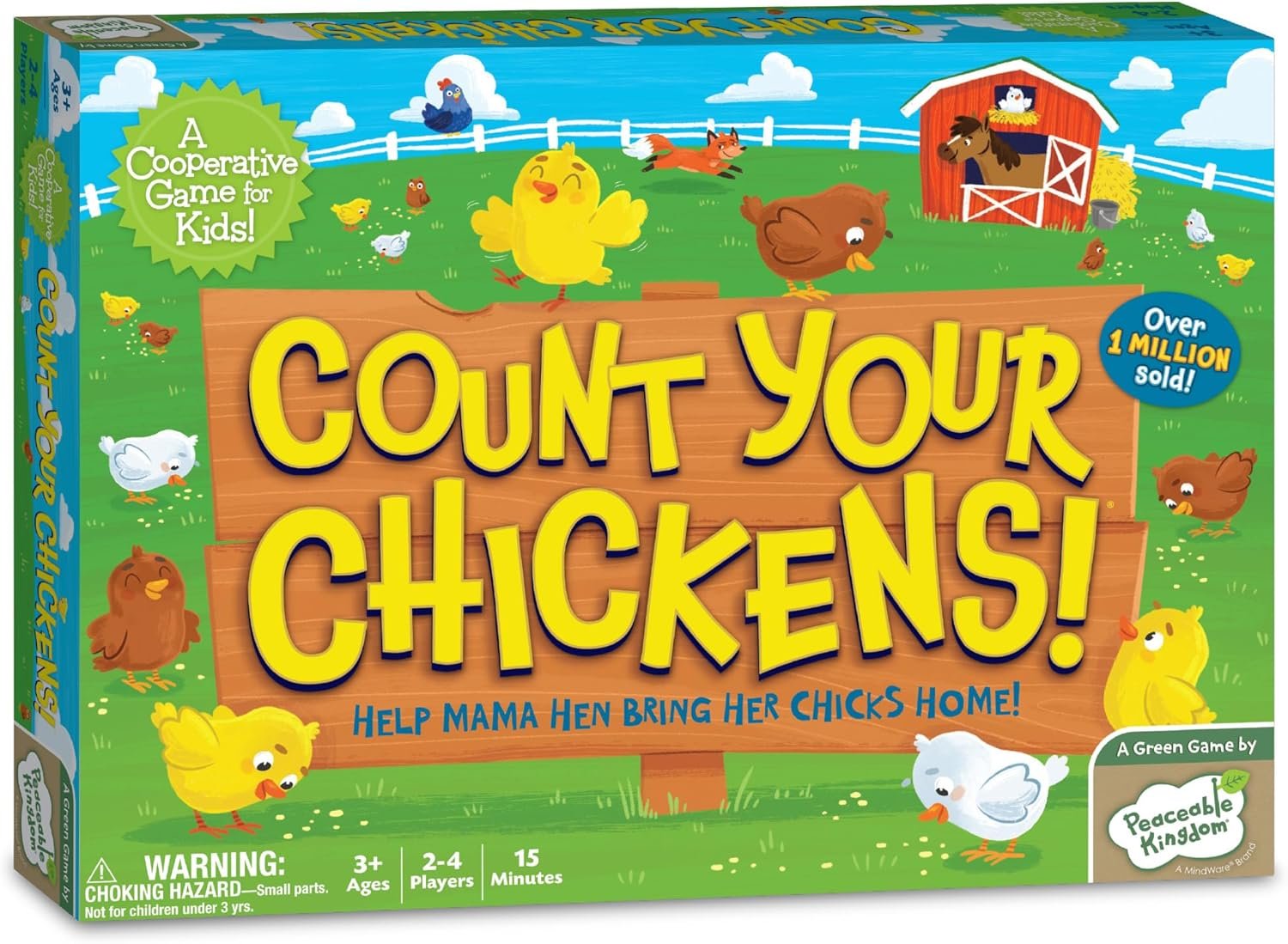
Cooperative board games
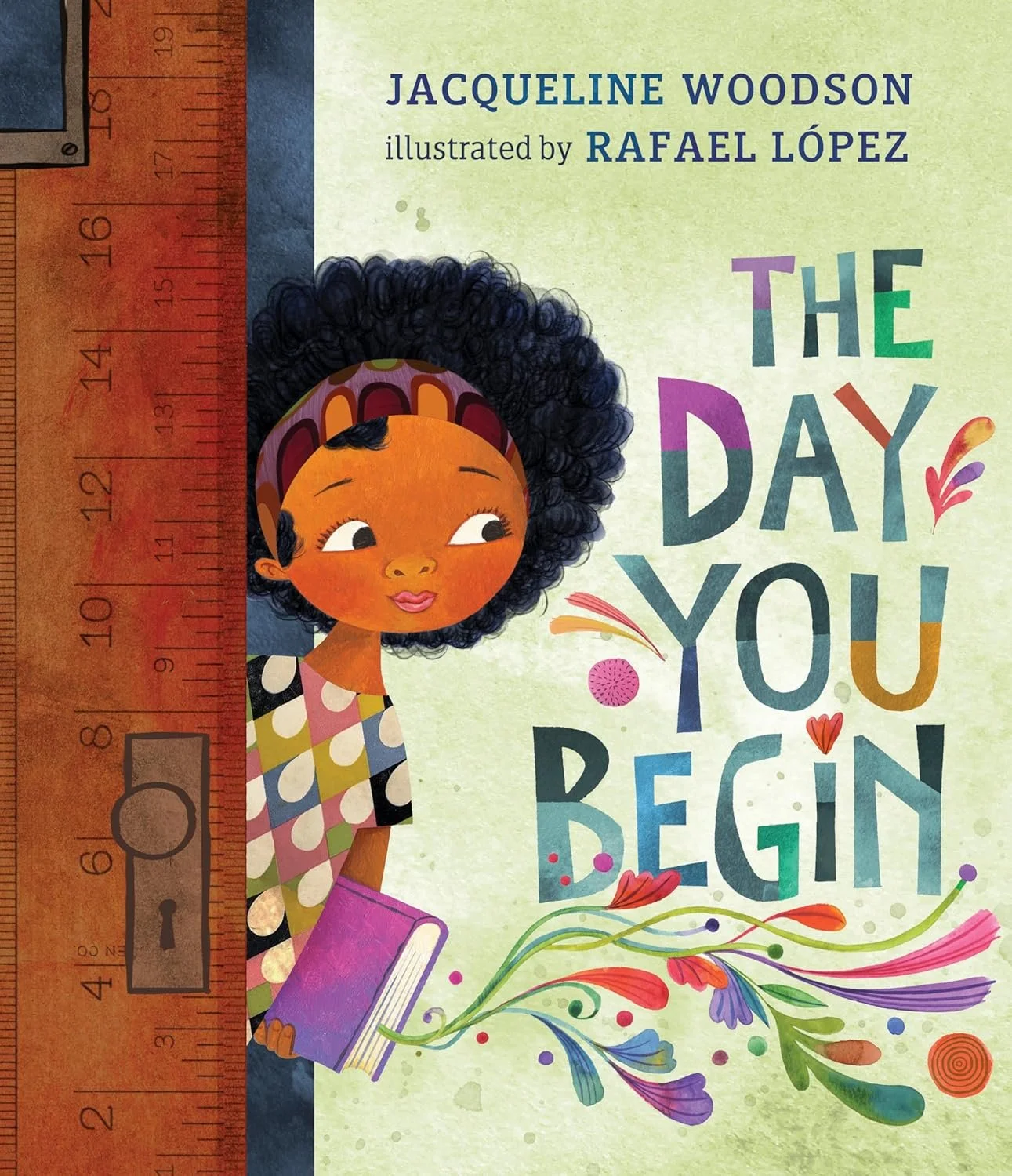
Confidence: The Skill of Believing "I Can Try"
Confidence isn't built through compliments alone.
It's built through experiences.
Every time children attempt something difficult, solve a problem, or recover from uncertainty, they collect evidence that says:
"I can handle this."
School asks children to take risks every day. They raise their hands, try unfamiliar assignments, make new friends, and navigate new routines.
Children who have recent experiences doing hard things often walk into those situations with greater confidence.
5 Micro Habits to Practice
Let your child order their own meal.
Encourage them to ask a librarian or cashier a question.
Teach them one new household skill.
Let them solve small problems before stepping in.
Have them introduce themselves at a camp, activity, or playground.
Build the Skill Through Books & Activities
Stories help children see bravery as something ordinary rather than extraordinary.
Recommended resources:
Confidence-themed coloring books that encourage independent problem-solving
Books about trying new things
Beginner puzzle books
Scavenger hunts
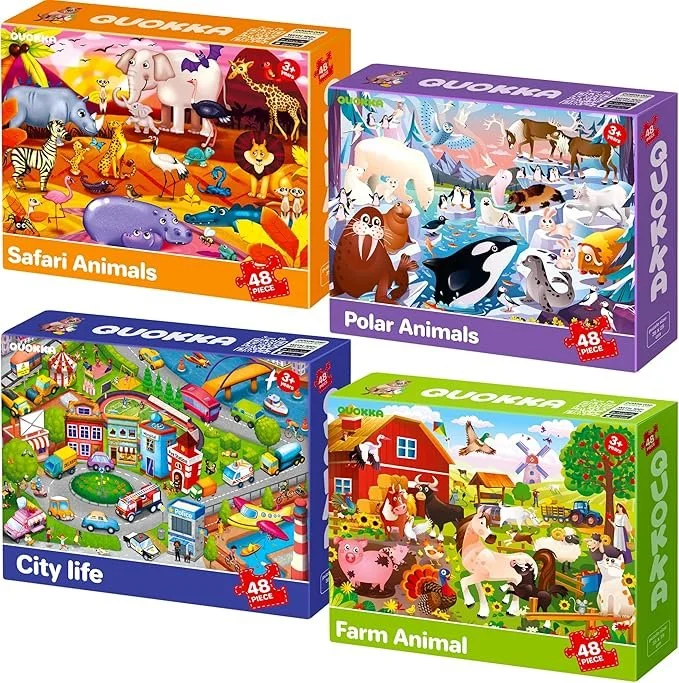
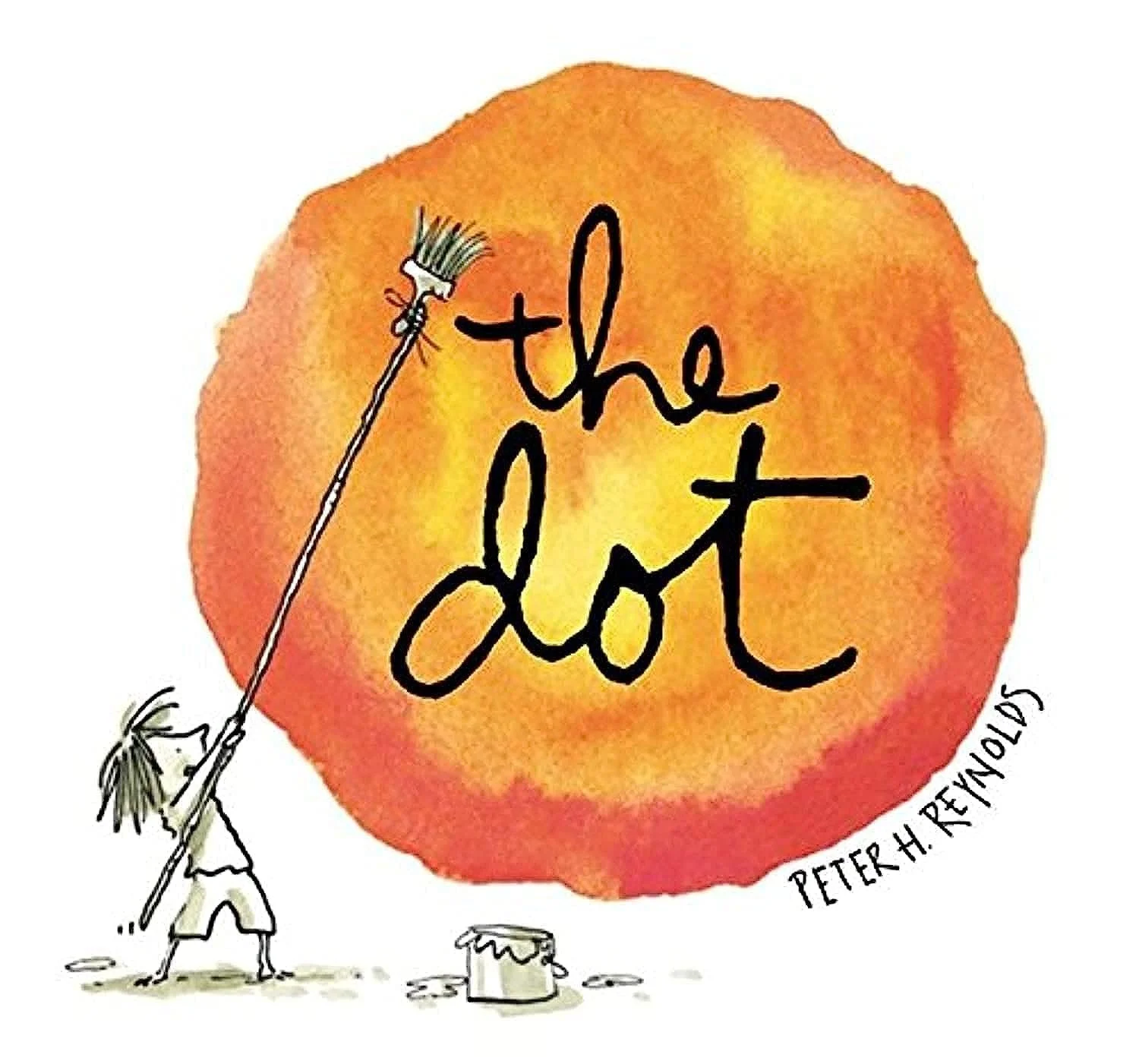
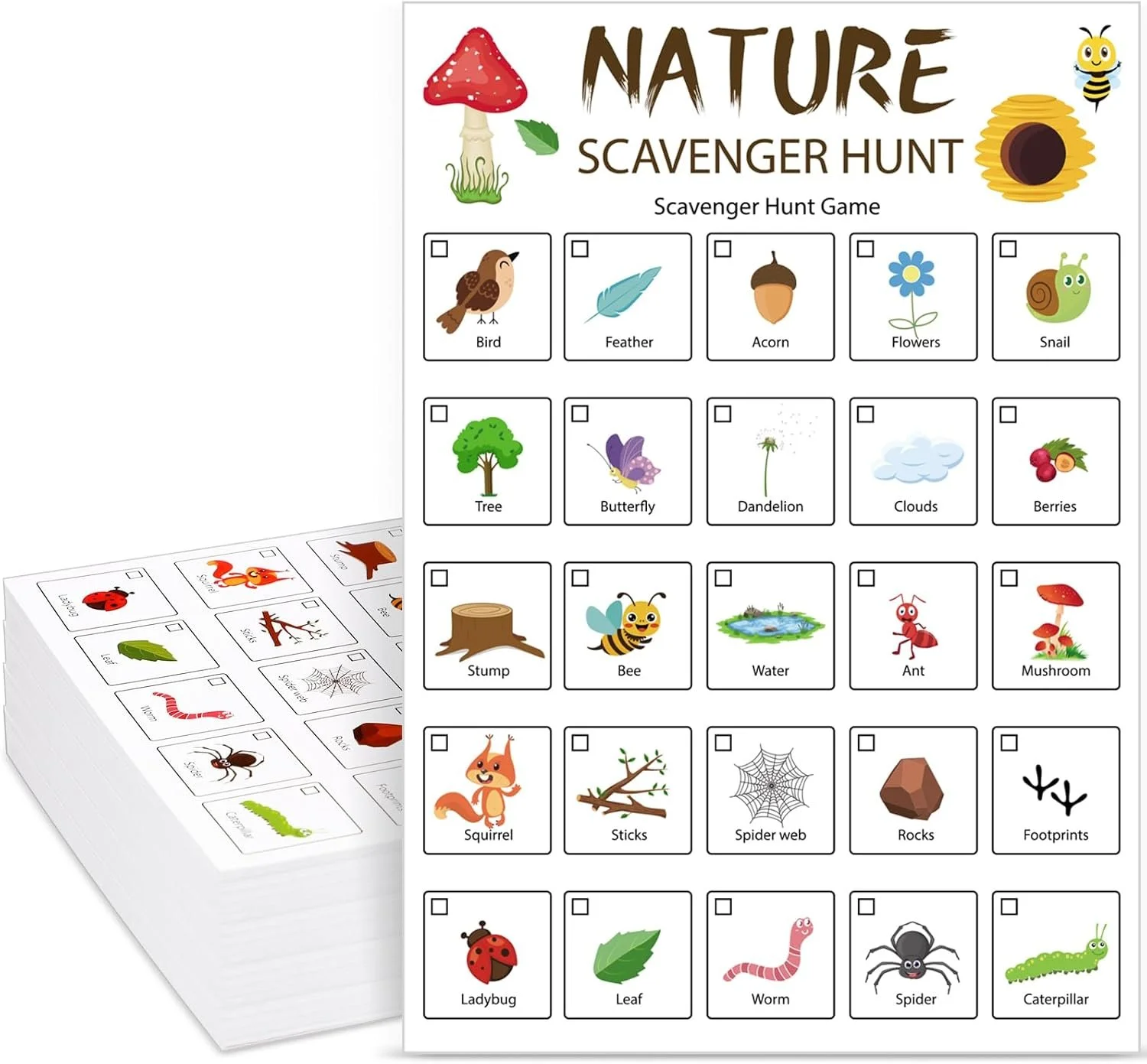
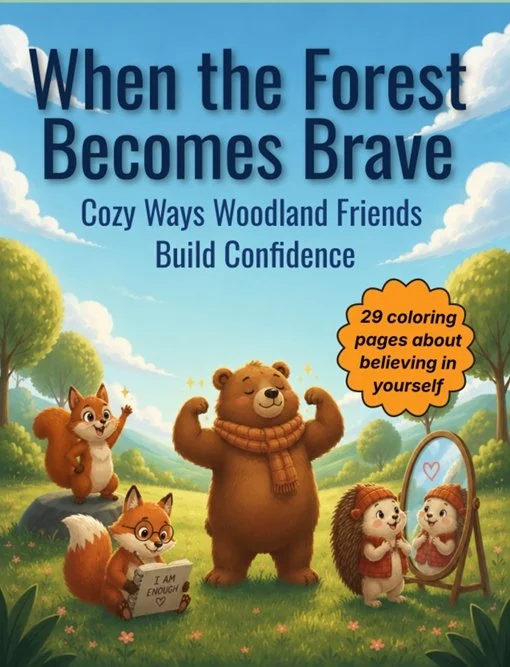
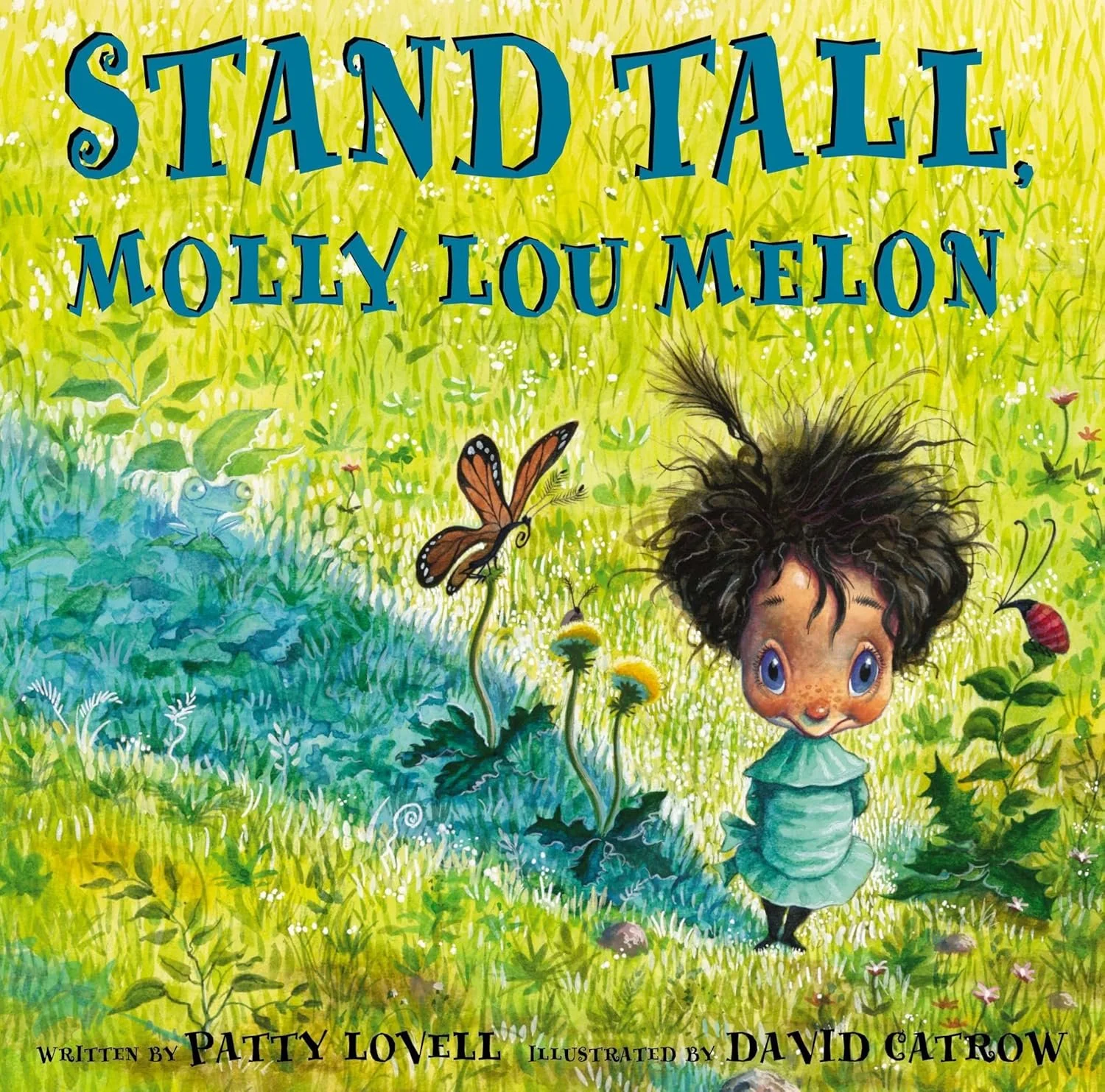
Responsibility: The Skill of Contributing to a Community
School communities depend on responsibility.
Teachers rely on students to manage materials, follow routines, complete tasks, and contribute positively to the classroom.
Summer often relaxes those expectations. That's not a bad thing—but it means children may benefit from a gentle refresh before school starts.
Responsibility helps children develop independence, competence, and confidence in their ability to contribute.
5 Micro Habits to Practice
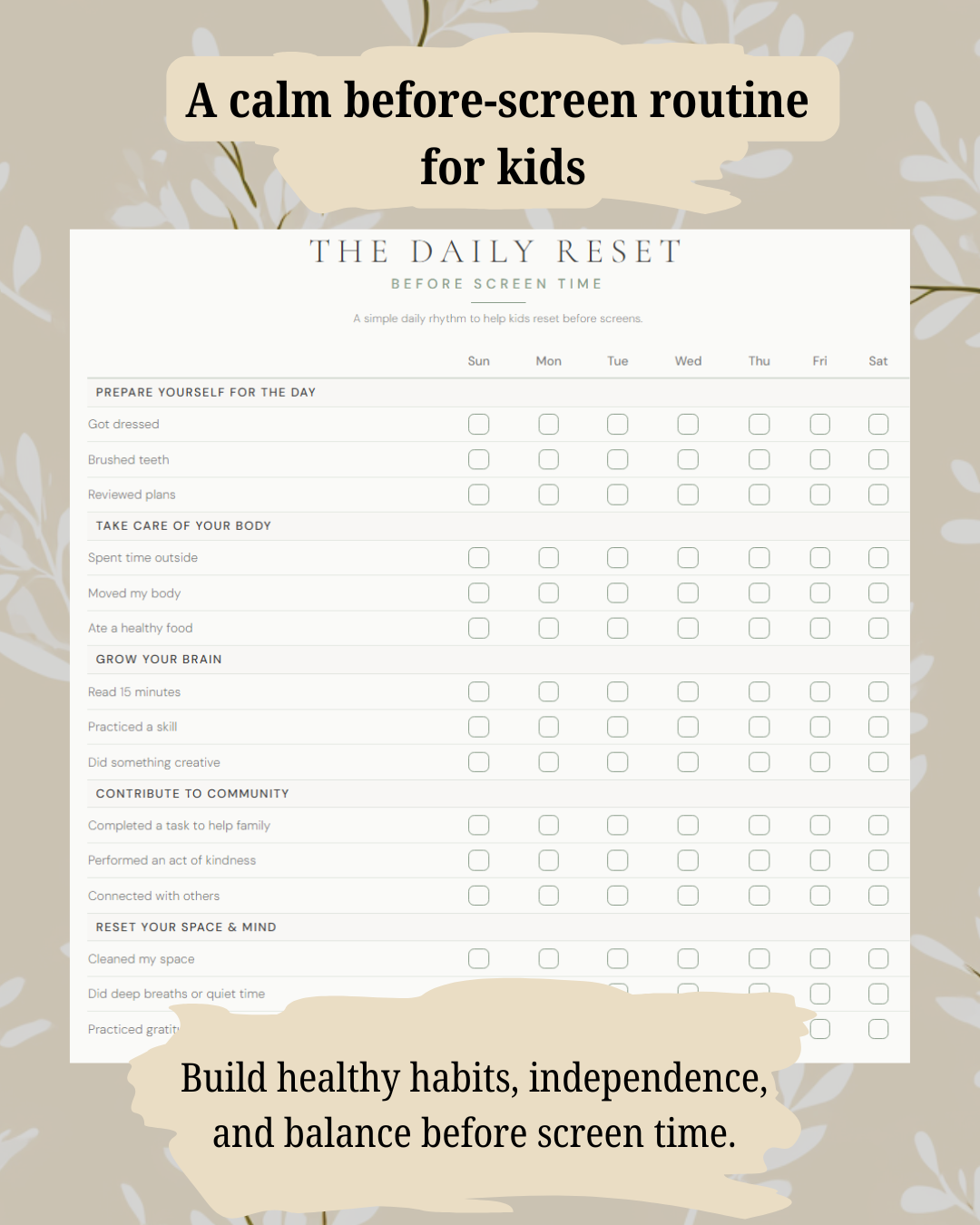
Have your child pack their own backpack.
Let them prepare simple snacks.
Give them ownership of one daily household chore.
Ask them to pick out their clothes and get dressed every morning.
Encourage them to notice ways they can help without being asked.
Build the Skill Through Books & Activities
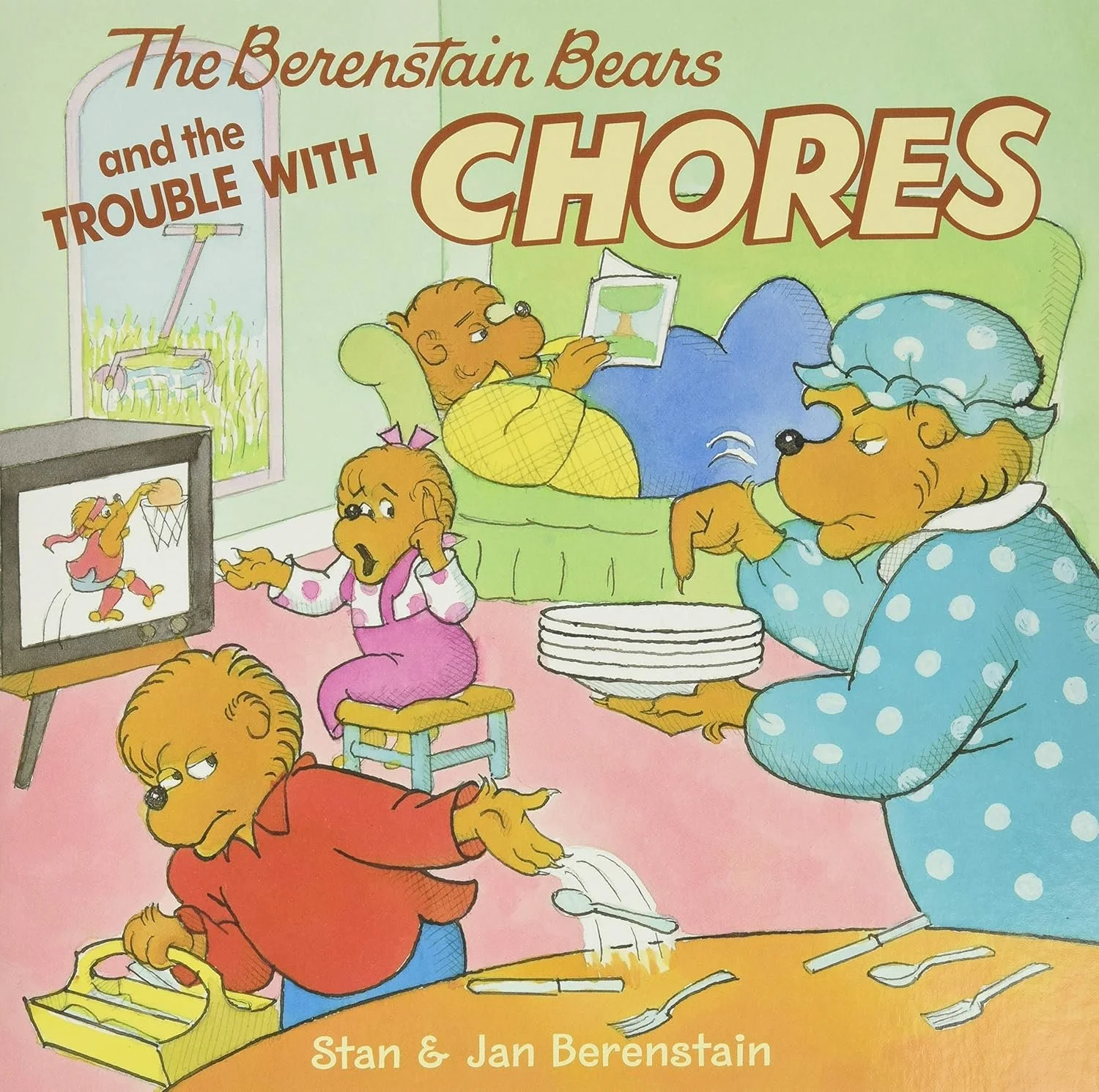
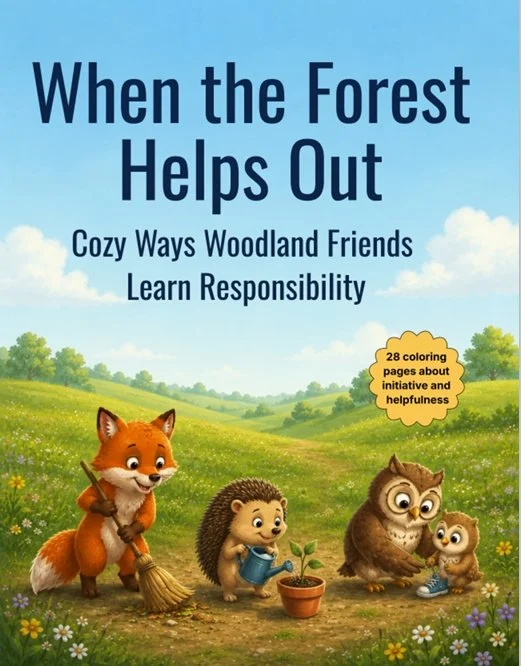
Children learn responsibility best when they see themselves as capable contributors.
Recommended resources:
Independence-themed coloring books that focus on daily life skills
Responsibility-themed picture books
Visual routine charts
Visual timer to help them manage timed-based acitivities
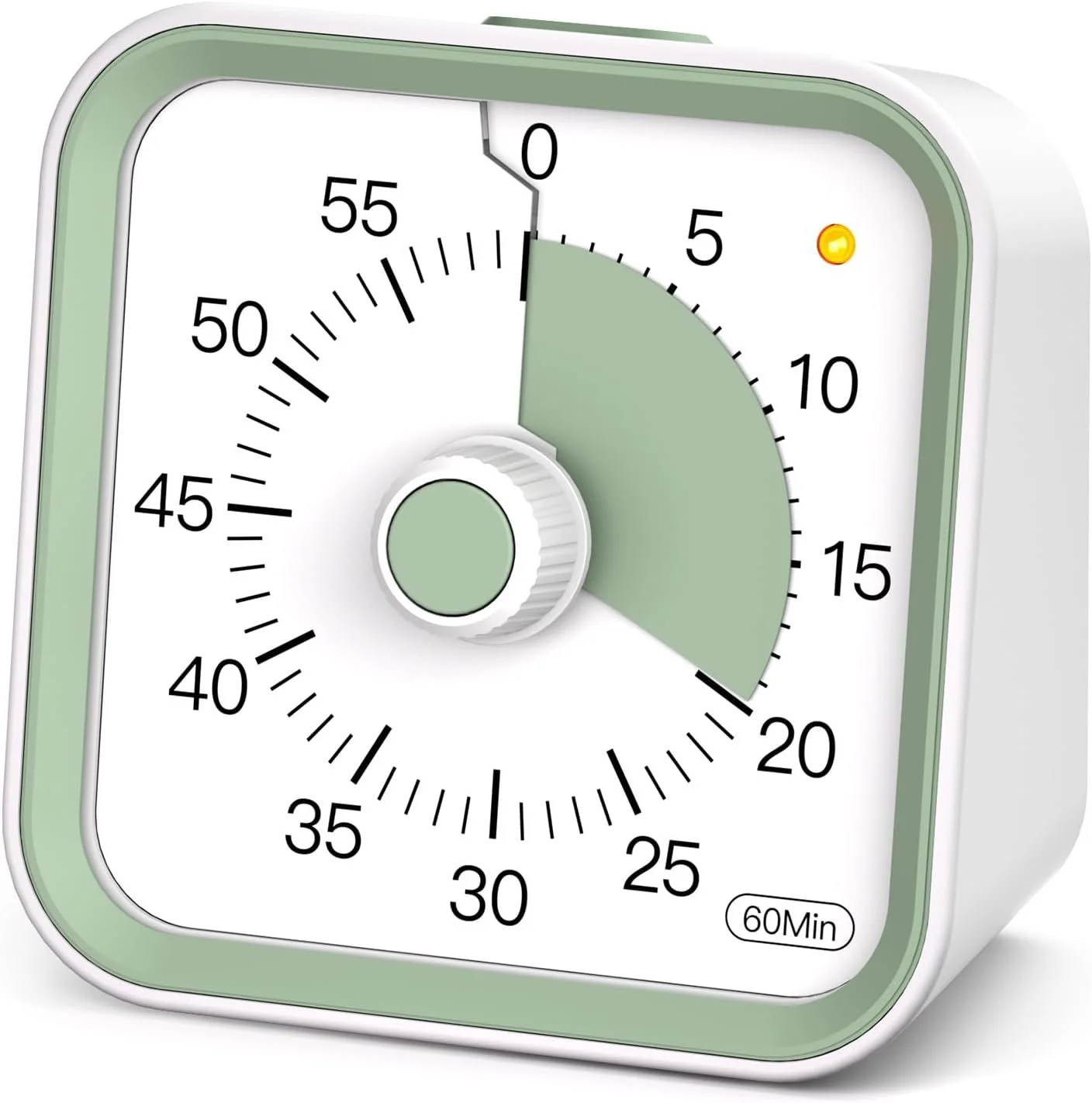
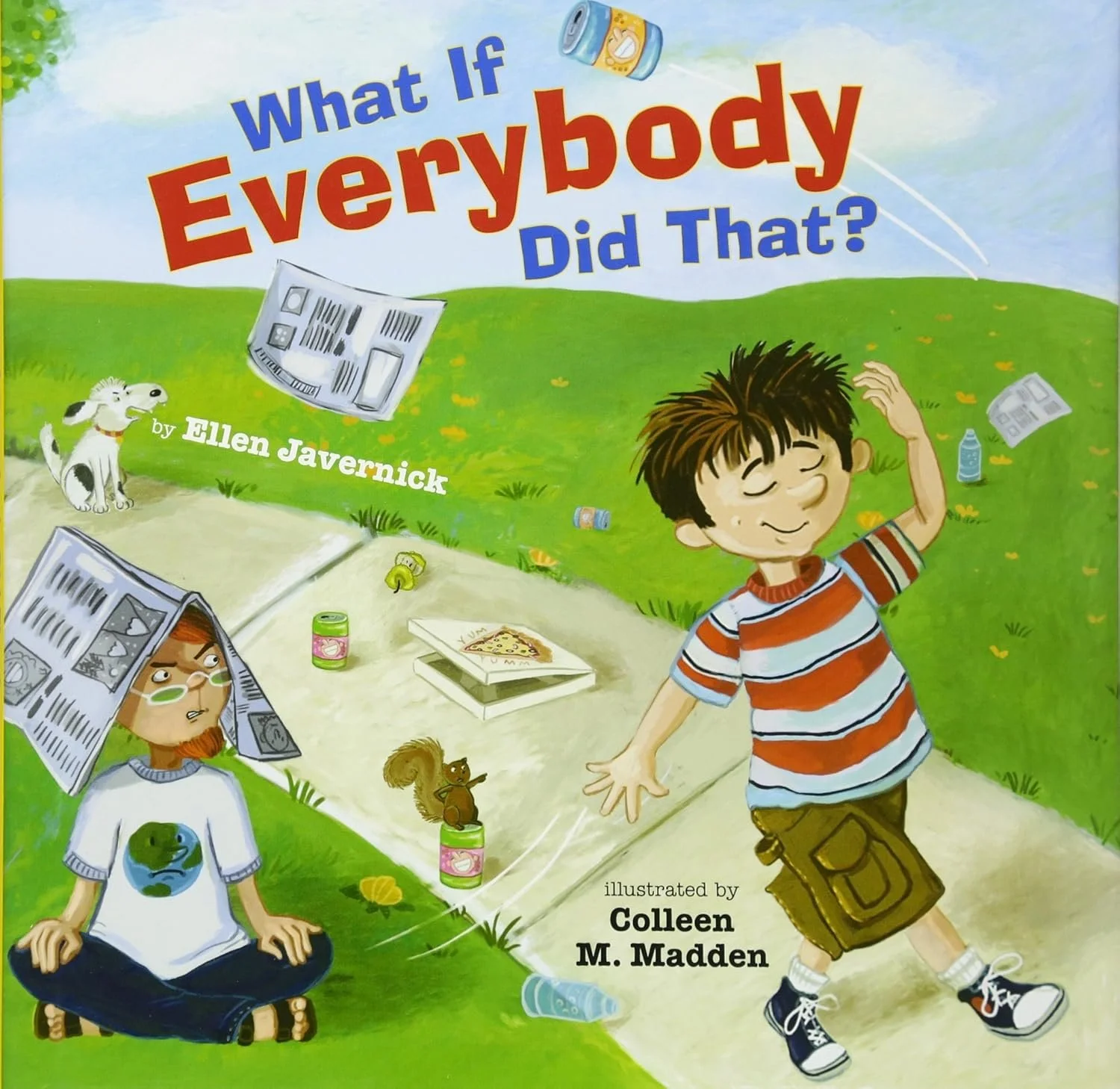
Resilience: The Skill of Recovering from Mistakes
Every school year includes setbacks.
A forgotten assignment.
A friendship conflict.
A mistake during class.
Resilience isn't about avoiding these experiences. It's about helping children recover from them.
Children who understand that mistakes are part of learning are often more willing to try, participate, and persist when things become difficult.
5 Micro Habits to Practice
Share your own mistakes aloud.
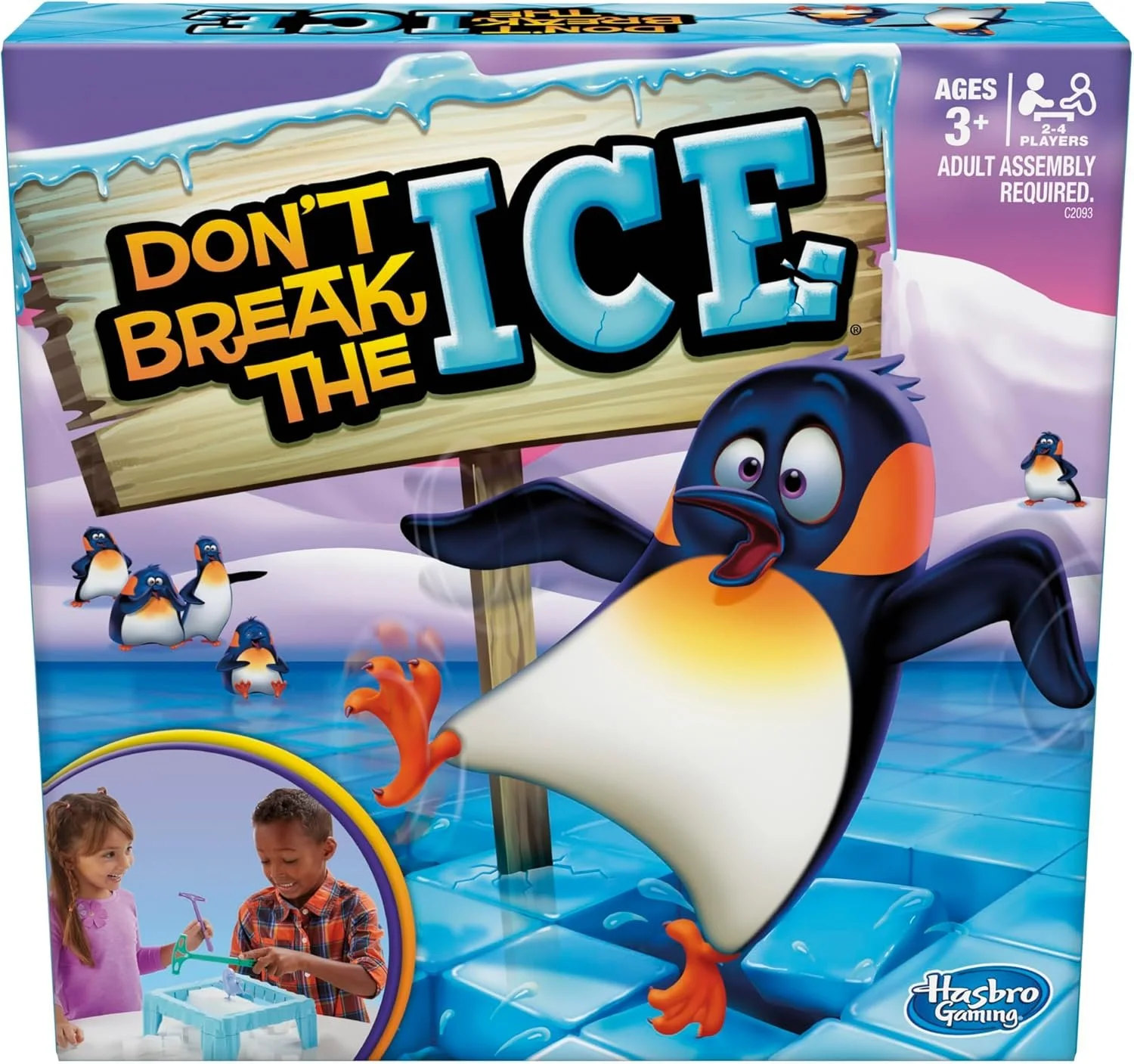
Play games where losing is possible.
Try learning a new skill together.
Praise effort and persistence.
Ask, "What did we learn?" when things don't go as planned.
Build the Skill Through Books & Activities
Stories provide safe opportunities for children to see characters struggle, adapt, and grow.
Recommended resources:
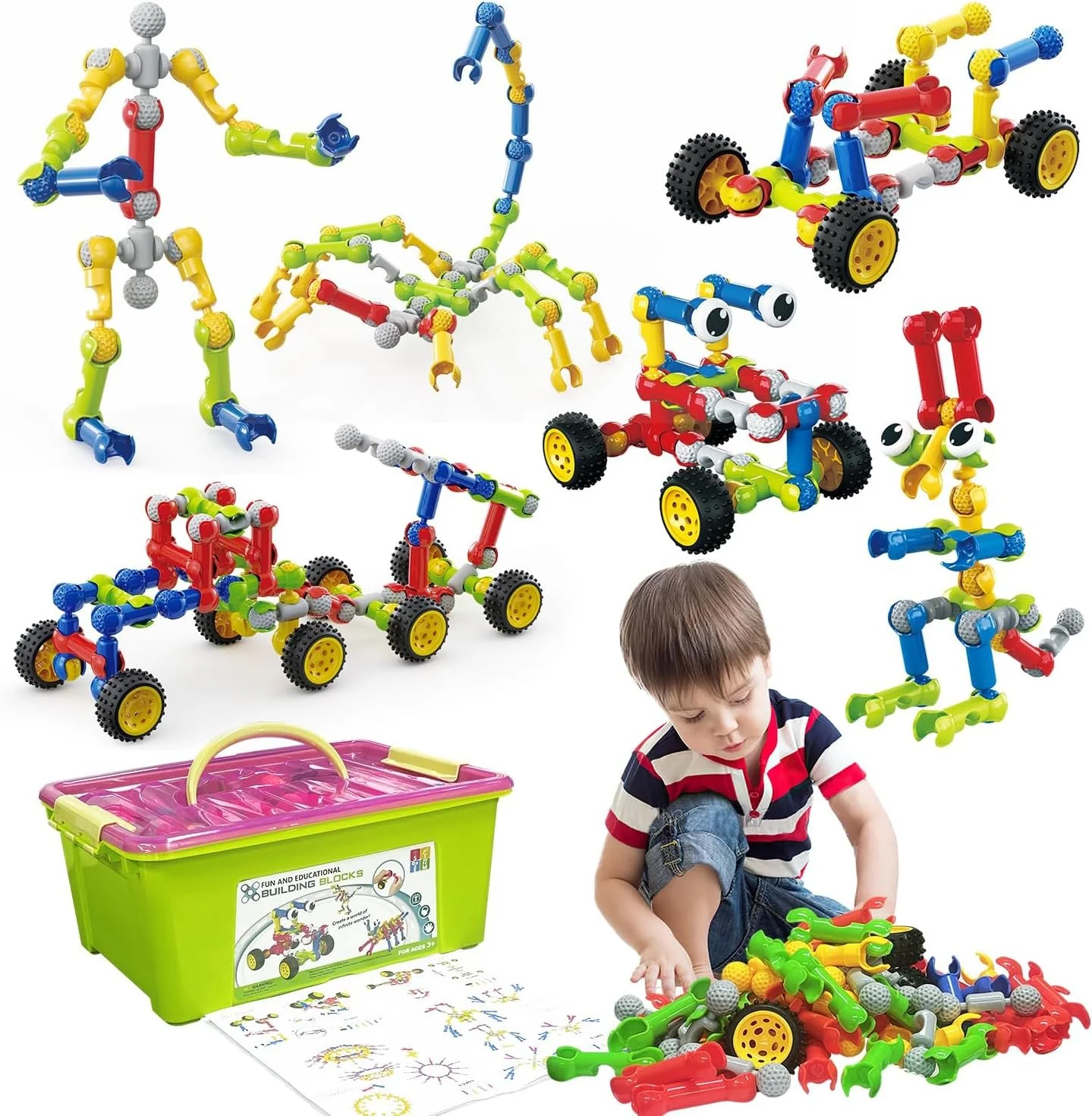
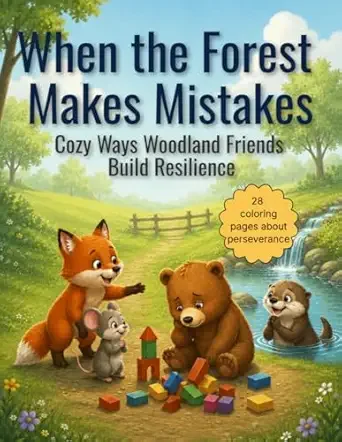
Resilience-themed coloring books that encourage perserverance
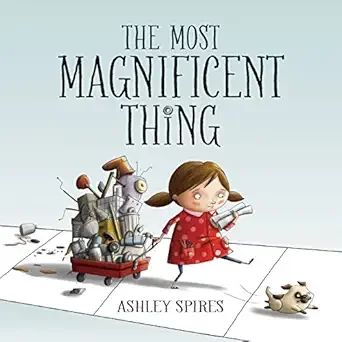
Growth mindset picture books
Strategy games
STEM building challenges

Emotional Regulation: The Skill of Managing Big Feelings
Back-to-school season brings excitement, anticipation, nervousness, uncertainty, and sometimes fear.
Children don't need to eliminate these emotions.
They need tools for handling them.
Emotional regulation helps children recognize feelings, communicate needs, recover from frustration, and stay engaged when emotions become overwhelming.
Like any skill, regulation improves with practice.
5 Micro Habits to Practice
Name emotions throughout the day.
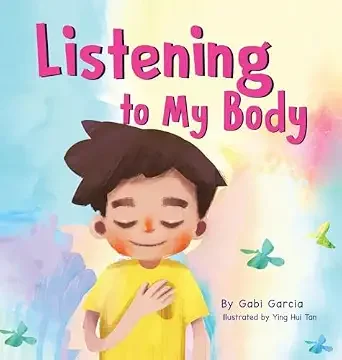
Talk about where feelings show up in the body.
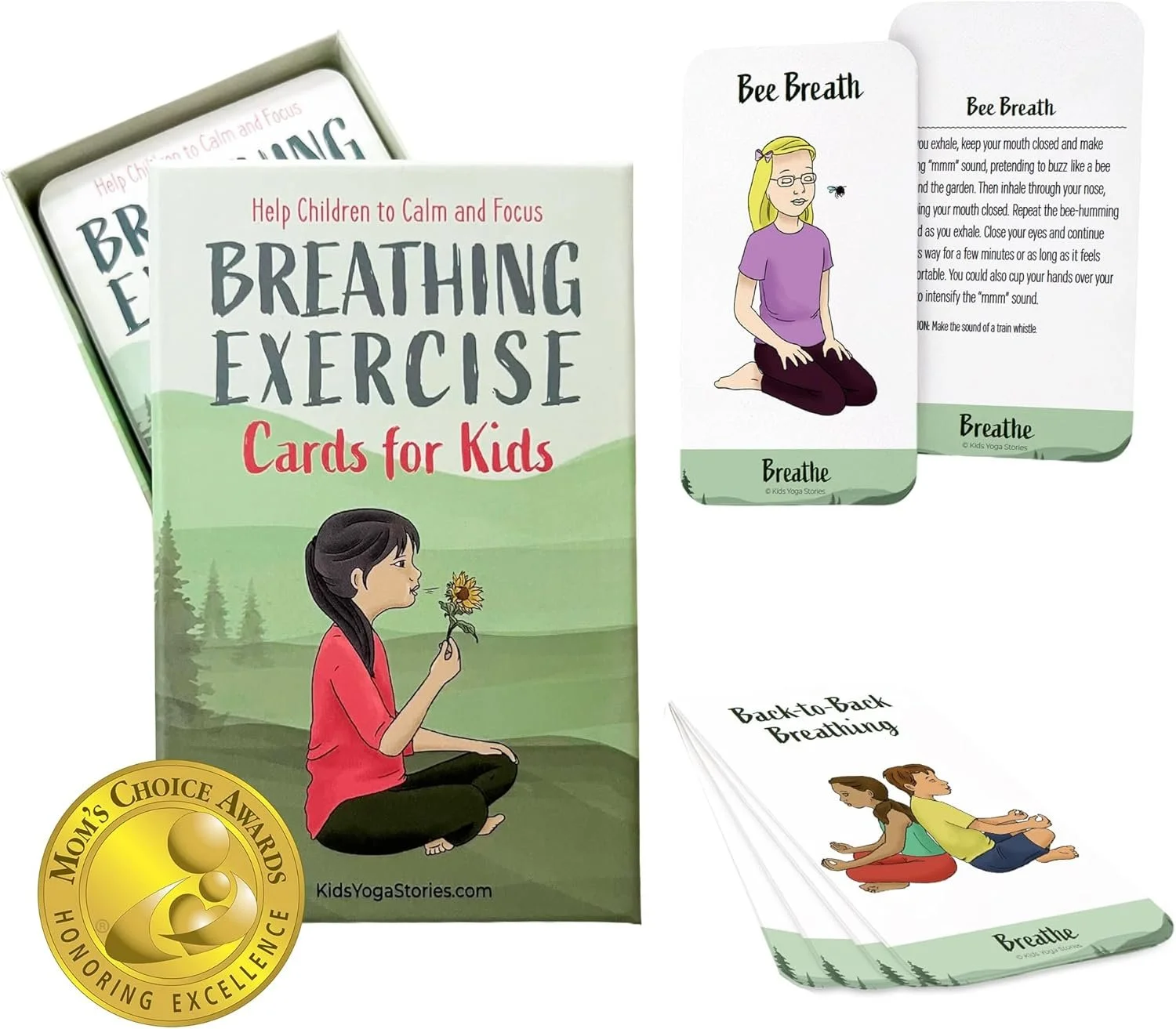
Practice simple breathing exercises together.
Create a calm-down toolkit.
Practice reaching for a fidget (or other technique) when feeling anxious
Build the Skill Through Books & Activities
Books and activities can help children build emotional vocabulary and coping skills long before a challenging moment arrives.
Recommended resources:
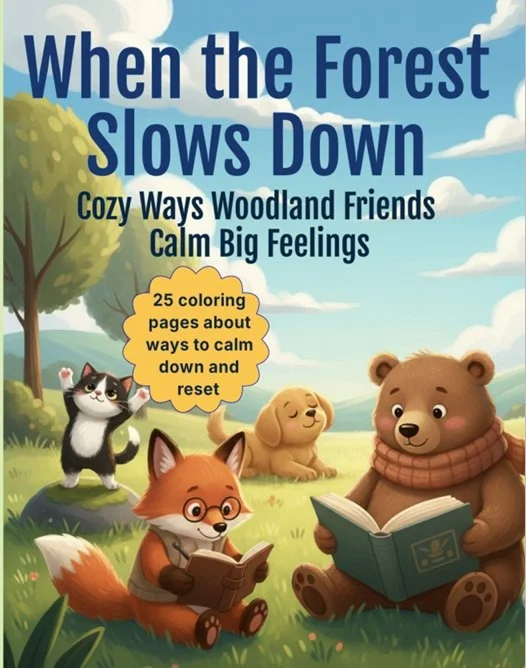
Coloring books that encourage calming techniques and mindfulness
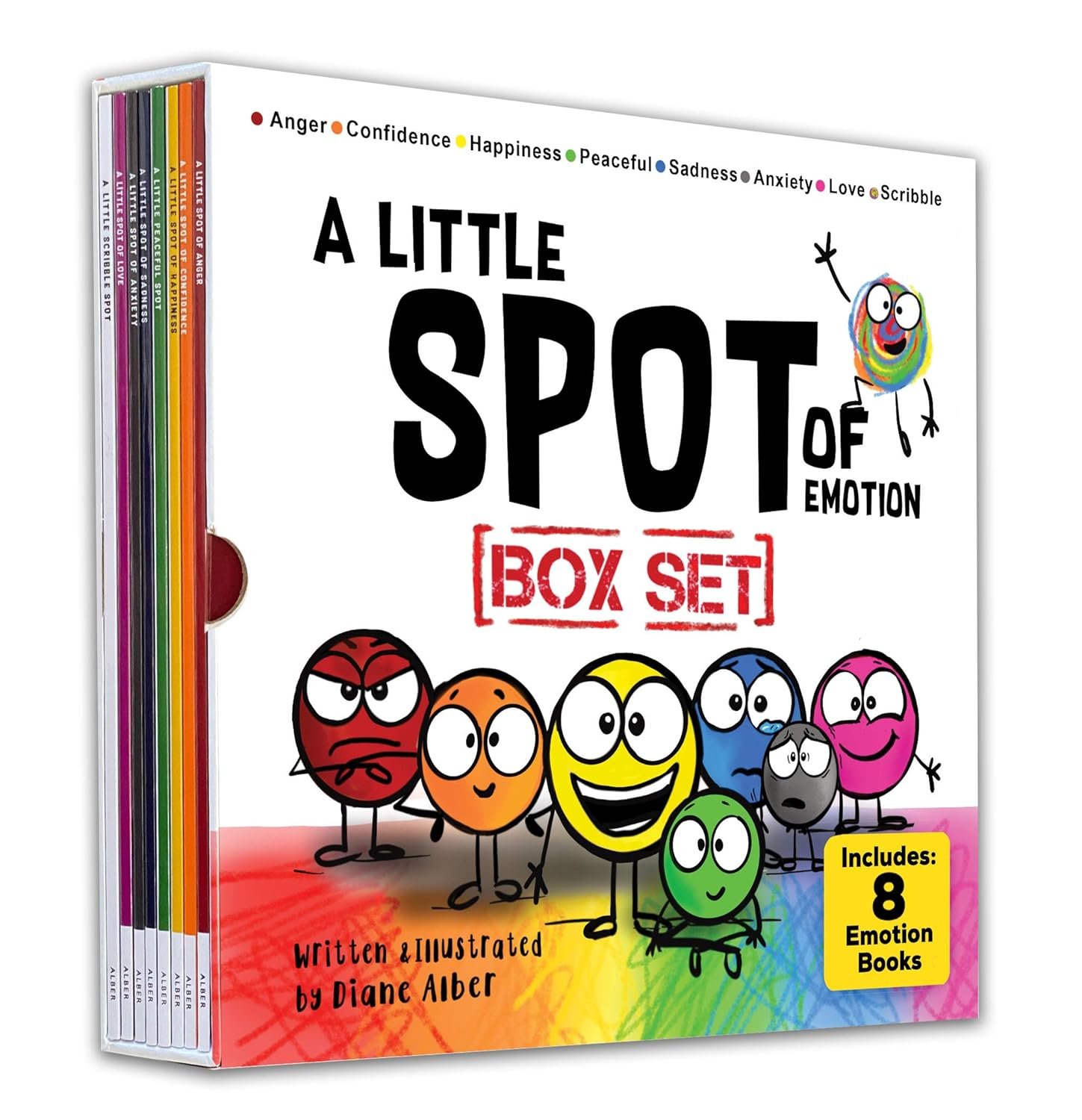
Feelings-focused picture books
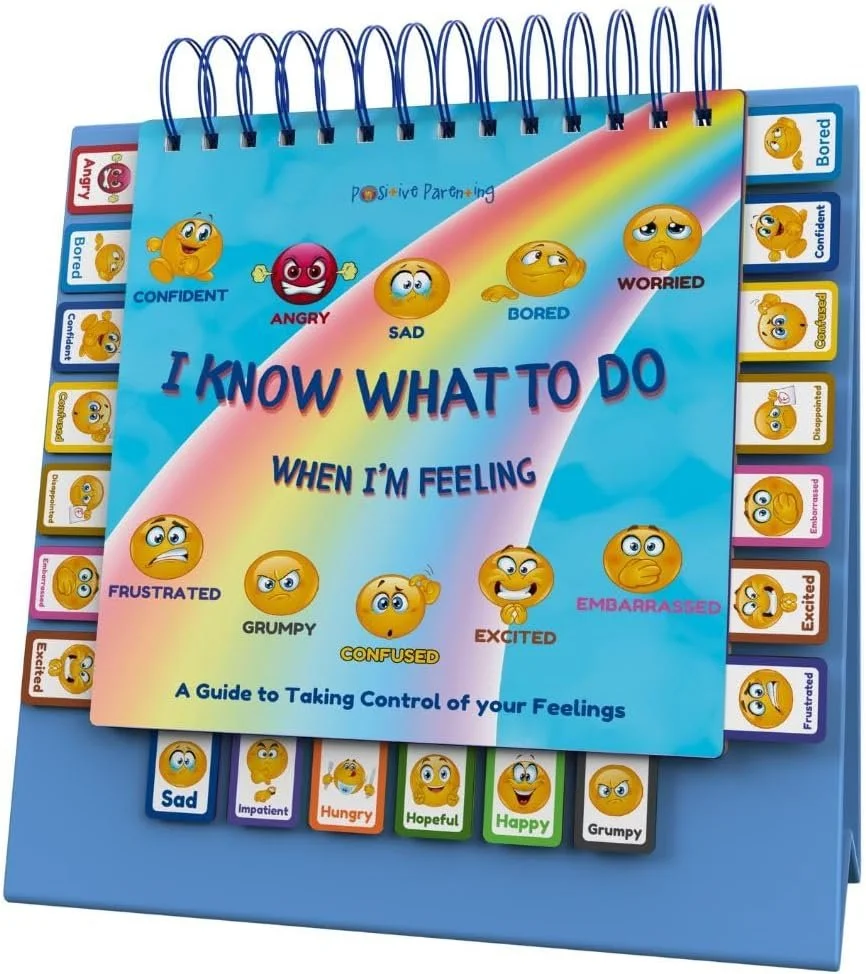
Emotion matching games
Mindfulness activity books
A Different Kind of Back-to-School Preparation
The most important back-to-school supplies aren't always found in a backpack.
They're found in the skills children carry with them into the classroom every day.
Friendship helps them connect.
Confidence helps them try.
Responsibility helps them contribute.
Resilience helps them recover.
Emotional regulation helps them navigate it all.
And the best part is that these skills aren't built through big lessons.
They're built through small moments, practiced consistently, long before the first school bell rings.
Note: I may receive commission from the affiliate links above