The Lowest Friction Wins
What My Program Manager Brain Taught Me About Kids, Screens, and Outdoor Play
I think a lot about friction in parenting.
Probably because I work in program management, where one of the core truths is this:
People rarely choose what is best.
They choose what is easiest.
And kids are no different.
They’re choosing what feels:
accessible,
comfortable,
rewarding,
stimulating,
and easy to start.
Right now, screens are winning that competition by a landslide.
Not necessarily because kids love the outdoors less than previous generations.
But because screens have become the lower-friction option.
No bug spray needed.
No sunscreen.
No finding shoes.
No boredom threshold to push through.
No organizing neighborhood kids.
No setup required.
Just instant reward.
And meanwhile, outdoor childhood has quietly accumulated friction everywhere.
Which is why I think many conversations about screen time accidentally focus on the wrong thing.
We spend enormous energy trying to convince kids to limit screens without building infrastructure for other alternatives. “Outside” got perceptively harder for kids but we aren’t actively fixing that.
The goal isn’t forcing kids outside through lectures and limits.
It’s reducing the friction that keeps pulling them back in.
Because friction shapes defaults.
And defaults shape childhood.
Removing Friction Creates Independence
One of the things I care most about is helping kids develop the ability to self-select healthy rhythms independently.
An environment naturally supporting better choices > an adult constantly managing them.
Because that’s ultimately what good systems do:
they reduce the amount of active enforcement required.
And frankly, overwhelmed parents need that.
Most families don’t have the bandwidth for:
constant monitoring,
constant negotiating,
constant entertaining,
constant reminding.
The more parenting depends entirely on adult energy, the more fragile the system becomes.
Which is why removing friction matters so much.
A child is far more likely to:
grab chalk,
ride a scooter,
throw a football,
or wander outside to find friends…
…when those activities are visible, accessible, and easy to begin without adult involvement.
That tiny shift matters.
Because now the environment is sharing some of the work that previously belonged entirely to the parent.
It’s the same reason our “daily reset” routines helped screen time so much in our house.
The checklist became the cue.
The environment became the reminder.
The rhythm became easier to follow automatically.
Good systems reduce resistance.
And outdoor play is no different.
The Outdoor Default
I think previous generations accidentally had stronger “outdoor defaults.”
Neighborhood density.
Front yards.
Bike culture.
Unscheduled afternoons.
Kids roaming in packs.
Adults lingering outside.
Less digital competition.
Outdoor play wasn’t necessarily more virtuous.
It was simply easier.
Today, many parents have to intentionally recreate some of that ease.
Not perfectly.
Not expensively.
Just strategically.
The question becomes:
“How do we lower the activation energy required for outdoor life?”
And honestly, small changes compound quickly.
Because once kids are already outside:
movement happens naturally,
social interaction increases,
screen fixation decreases,
moods improve,
and independence grows.
But first, outside has to feel easy enough to choose.
Reduce the Friction Before They Even Go Outside
One of the biggest mistakes we make is requiring outdoor play to overcome too many barriers.
Especially when screens are sitting inside offering immediate dopamine with almost zero effort.
So instead of only restricting screens, I think it’s powerful to intentionally increase the pull of outdoor life.
A few things that help enormously:
Visible outdoor toys.
Scooters already charged.
Chalk in reachable bins.
Sports balls inflated.
Drinks easily accessible.
Grab-and-go snacks.
A shaded area to land.
Simple outdoor routines after school.
None of these are revolutionary.
But together, they reduce the startup cost of going outside.
And startup cost matters more than we think.
Because kids often aren’t deciding between:
“outside” versus “screens.”
They’re deciding between:
easy versus hard.
That’s an important distinction.
Reduce the Friction That Pulls Them Back Inside
Then once kids are outside, the next goal is preventing unnecessary retreat back indoors.
This is where tiny environmental irritations quietly matter a lot more than we acknowledge.
Bugs.
Heat.
No shade.
No evening lighting.
Mosquitoes.
No social gathering spaces.
One frustrating experience and outdoor momentum disappears for the night.
Which is why I’ve started thinking about bug prevention less as “yard maintenance” and more as preserving outdoor continuity.
A few things that genuinely help:
Outdoor fans near gathering spaces.
Citronella candles or lanterns.
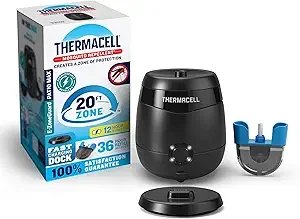
Thermacell devices around patios.
Peppermint spray around doors and seating areas.
Planting lavender, rosemary, basil, or mint near seating zones.
String lights that make evenings feel inviting.
Easy-access towels and blankets.
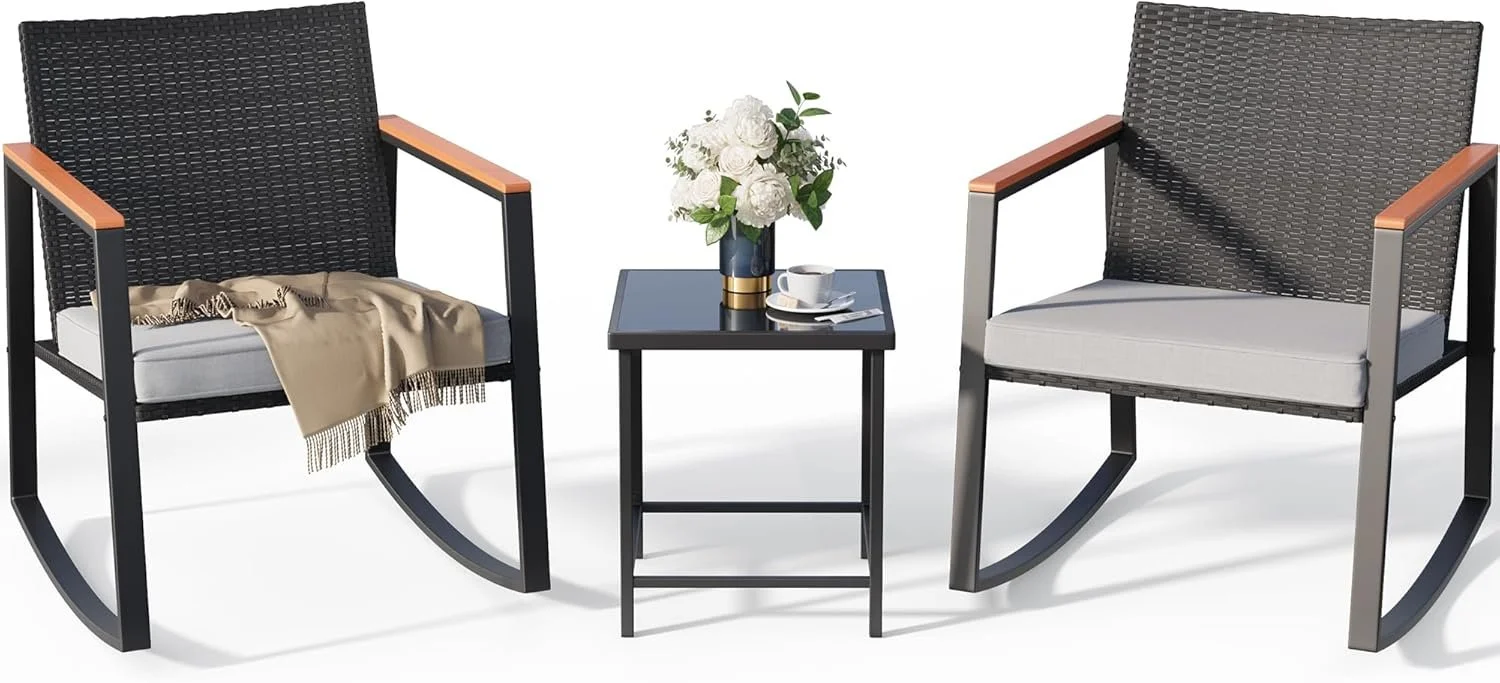
Comfortable seating for adults too.
Because lingering matters.
Outdoor childhood grows through lingering.
Through the extra thirty minutes after dinner.
The spontaneous bike ride.
The neighbors who stop to chat.
The kids who stay outside until the fireflies appear.
That kind of childhood rarely comes from forcing.
It comes from environments that quietly make outside feel easier to stay in than to leave.
And honestly, I think that’s the real opportunity in modern parenting.
Not just limiting screens.
But intentionally rebuilding the conditions where childhood naturally unfolds beyond them.
Shop Ideas From This Retro






Note: I may receive a small commission from the affiliate links.